What nutritional value does scallion have? The difference between scallion and Welsh onion, and their nutritional components
Many people think scallion is Welsh onion, but actually it is not; there is a difference between the two. Do you know what nutritional value scallion has? Let's take a look together.
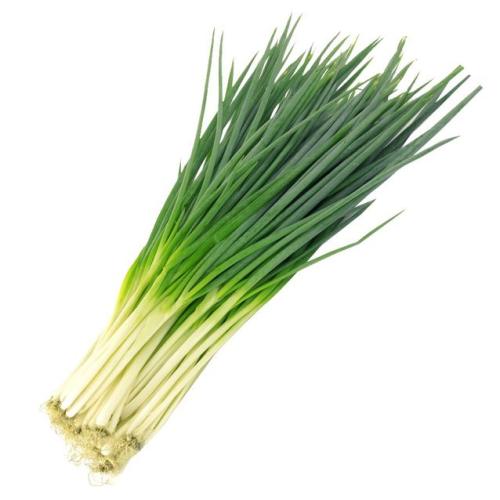
Scallion contains nutrients such as calcium, vitamin C, β carotene, and dietary fiber. 100 grams of scallion contains 3.5 grams of dietary fiber, making it a high-fiber vegetable. In addition, the epidermal cells of scallion contain large amounts of allicin, malic acid, and phosphoric sugar, which have bactericidal effects.
Scallion contains the trace element selenium, which can stimulate the secretion of digestive juices and increase appetite; while the prostaglandin A contained in scallion can promote blood circulation, help sweating and urination, and thereby prevent dizziness caused by elevated blood pressure. It is also helpful in preventing senile dementia. In addition, the pungent odor of scallion belongs to the volatile components of allicin, which can resist and kill bacteria, help resolve phlegm, and relieve sore throat. When cooking high-protein foods, adding a small amount of scallion can improve the human body's absorption of protein.
The allicin in scallion can mildly stimulate glandular secretion, causing sweating, so people who sweat a lot are not suitable for eating scallion. Although the nutritional value of raw scallion is relatively high, during cultivation it inevitably comes into contact with bacteria, parasites, or even pesticides, so before eating raw scallion, it must be washed thoroughly again and again.
The leaf part of scallion contains β carotene, vitamin C, and calcium, and its nutritional content is much higher than that of the white part of scallion.