-
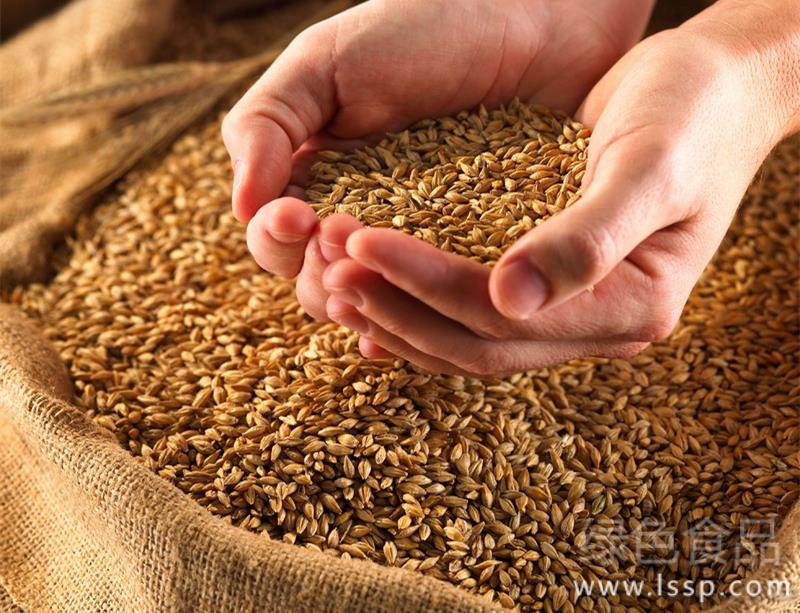
How to save wheat seed? Do a good job of seed saving to safeguard next year's harvest
Wheat seed saving affects next year's harvest: how to do a good job of wheat seed saving
-
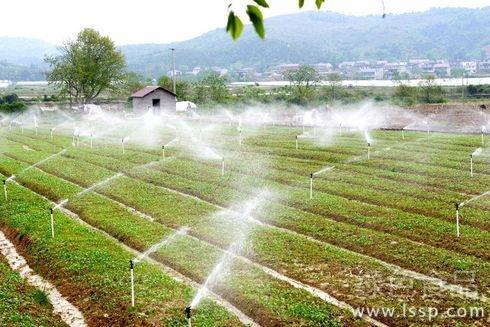
How Can Agricultural Water-Saving Technology Be Improved? Introduction to Five Models
Improvement Methods: Introduction to Five Agricultural Water-Saving Technology Models
-
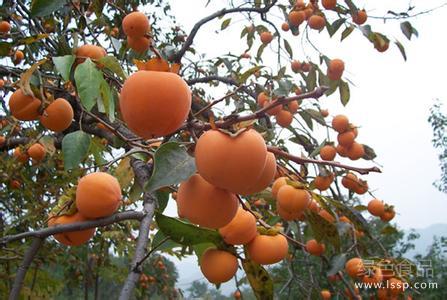
Three key points for winter pruning of persimmon trees, raising young trees and saving old trees at the same time
Raising young trees and saving old trees: three key points for winter pruning of persimmon trees
-
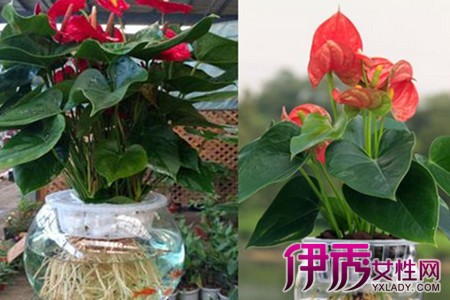
A Detailed Guide to Growing Anthurium in Water: Saving Space and Growing Flowers Is This Simple
The anthurium is a strikingly beautiful flower with its clear contrast of red and green, and some flower enthusiasts are especially fond of it. But homes today are not large, so wanting to grow several pots quickly becomes a space problem. That is why some people have started figuring out how to grow anthuriums in water.
-
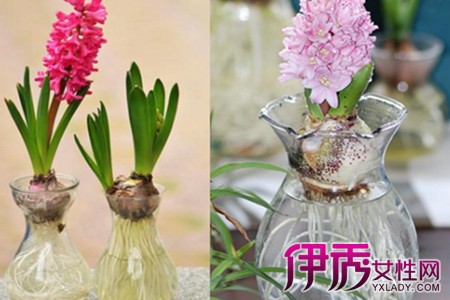
The hydroponic cultivation method for hyacinths is simple, clean, attractive and space-saving
Hyacinths are especially beautiful when in bloom, but some people have very little space at home. If they want to grow several pots of hyacinths, the space feels very crowded. These friends really want to know how to grow hyacinths hydroponically, because this saves more room space
-
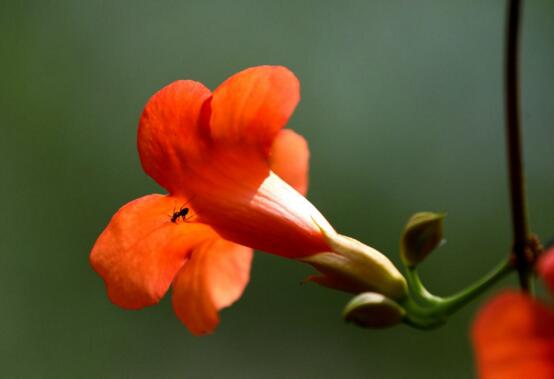
4 propagation methods for trumpet vine, master the money-saving cutting technique
Trumpet vine (Campsis), a flower with beautiful blooms and tenacious vitality, is deeply loved by gardening enthusiasts. But friends who grow trumpet vine should know that a single plant or a single pot of trumpet vine looks quite monotonous, so what to do then? To save money, gardening enthusiasts should master the propagation methods of trumpet vine. As for how trumpet vine is propagated
-

New Cotton Cultivation Technique: Saving Labor and Increasing Yield at the Same Time
This technique is based on the cotton cultivation method in which cotton is not pruned or disbudded, but only the terminal bud and side buds are removed, also called the two-time topping cultivation method. On that basis, a more labor-saving one-time topping cultivation method has been introduced. It saves at least 70% of labor, while increasing yield by more than 8%, and cotton quality is basically on par with the traditional method. Its key techniques are as follows: 1. Select good varieties and keep the sowing date moderate. It is advisable to choose large-plant types with strong mid-season growth, with seed cotton yield per mu of no less than 350 kg and high-yielding varieties exceeding 500 kg. Usually, the Hua Kang III series, Qiufeng Large Boll series, and disease-resistant
-
Key Techniques for Water-Saving Cotton Cultivation in Semi-Arid Saline-Alkali Land
Cotton has always been an important economic crop, and continuously improving cotton yield and quality is of great significance for increasing agricultural efficiency and farmers' income. Over the years, through gradual exploration, a relatively complete set of cotton cultivation techniques for semi-arid saline-alkali land has been developed, achieving the goals of early maturity, high yield, and high quality in drought-resistant cotton planting. This has solved the problems of difficult emergence, difficult seedling retention, slow development, and late maturity when planting cotton in saline-alkali land due to lack of water resources. The cotton yield-increasing techniques for semi-arid saline-alkali land mainly include seed preparation, fertilization, chemical control, pruning, and other steps.
-
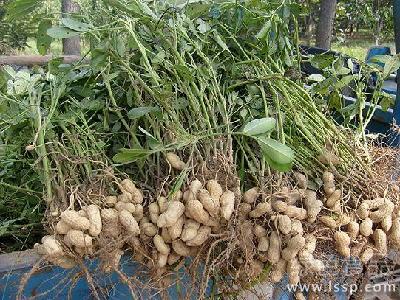
What are the key points for saving peanut seeds? Do these well for a bumper harvest and increased income next year
Ensuring a bumper harvest and increased income next year: key points for saving peanut seeds
-
Guizhou and Shanghai Join Forces to Farm the Chinese Zebra Loach Artificially, Saving Guizhou's Native Fish
Jinqian Online News: A reporter learned yesterday from the Luodian Fisheries Station that at present, the fisheries departments of Guizhou and Shanghai are jointly conducting experimental research and development on the artificial domestication and breeding of the Chinese zebra loach (Botia zebra), in order to save this rare native aquatic wildlife species of Guizhou in the Pearl River system - the Chinese zebra loach. The "sesame sword" (scientific name: Chinese zebra loach) has no scales and a body shaped like a sharp sword; it gets its name from the sesame-like spots on its body, lives on the bottom of rivers, and feeds on small aquatic animals. It is mainly distributed in the Pearl River and Yuanjiang River systems, and its flesh is tender and delicious, making it an important commercial fish in its producing areas. Together with the sea bass (Japanese sea perch)
条件筛选