How to save wheat seed? Do a good job of seed saving to safeguard next year's harvest
Selecting and saving wheat seed affects the next year's wheat harvest. If roguing of off-types and inferior plants is not done, the degeneration of wheat varieties will worsen, shortening the useful lifespan of good wheat varieties. To improve the purity of wheat seed and maintain good varietal characteristics, the work of selecting and saving wheat seed must be done well before harvest.
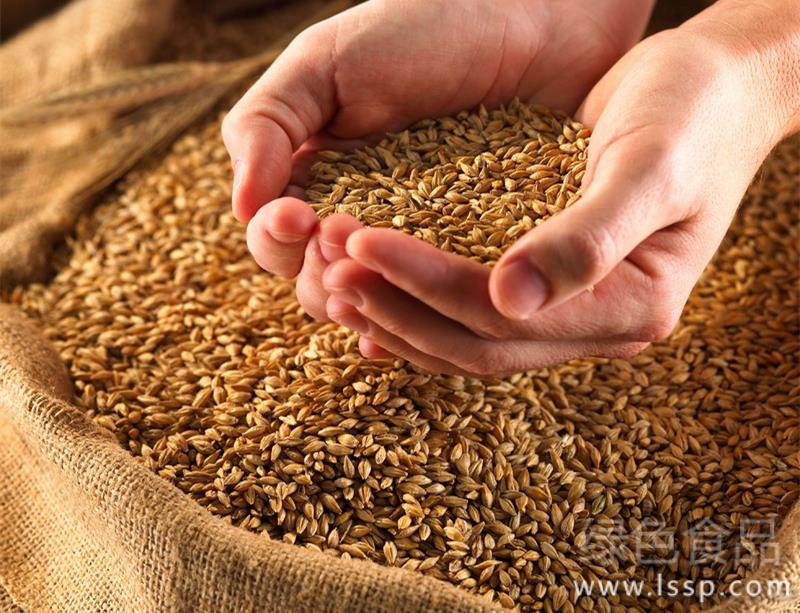
Wheat seed
1. Remove off-types and inferior plants to improve the purity of good wheat varieties.
After wheat heads out, the characteristics of the wheat variety gradually become apparent. For fields used for seed saving, carry out roguing of off-types and inferior plants twice, once at the heading stage and once a few days before harvest. According to the plant height, spike type, presence and length of awns, glume color, grain color, and pest and disease resistance of the selected wheat variety, once off-type spikes are found, pull them out with roots to prevent small off-type spikes from being missed. In particular, wild oat grass must be strictly removed.
2. Thresh and harvest at the right time to prevent mechanical mixing.
If harvest and threshing are too early, when the seed moisture content is high, prolonged exposure to high temperatures can easily result in a low germination rate of wheat seed. Seed fields kept for seed use should be harvested mechanically in a centralized manner from the late dough stage to the fully ripe stage. At harvest, a small portion of wheat can first be harvested with a combine harvester, then put into the bin, and the wheat harvested afterward can be kept for seed use. When drying, clean the drying yard thoroughly, and keep wheat of different varieties relatively isolated. It is best to use one yard for one variety, and strictly prevent mixing during threshing and drying. This can avoid mechanical mixing.
3. Scientific storage.
There are many methods for storing wheat seed. Choose flexibly according to local conditions. Various containers such as urns, grain bins, and woven bags can be used for storage. When using an urn for storage, fill the urn with wheat seed, then cover the surface with about 20 cm of dry plant ash, and then cover and seal it. Because plant ash is hygroscopic, it can ensure safe storage of wheat seed. Nylon woven bags can also be used for storage. Stack nylon woven bags filled with wheat seed in a ventilated and dry place, keep them away from the wall, and do a good job of preventing rats, insects, and moisture.