-

Key Points for Cattle Farming: A Detailed Guide to Sanitation Management on Cattle Farms
The primary condition for raising cattle well is to do a good job of cattle farm sanitation, so as to achieve the goal of healthy cattle farming. The environment around the cattle barn, including the exercise yard, should be disinfected once a week with 2% caustic soda or sprinkled with quicklime. Below is an introduction to key points for cattle farming: sanitation management on cattle farms.
-
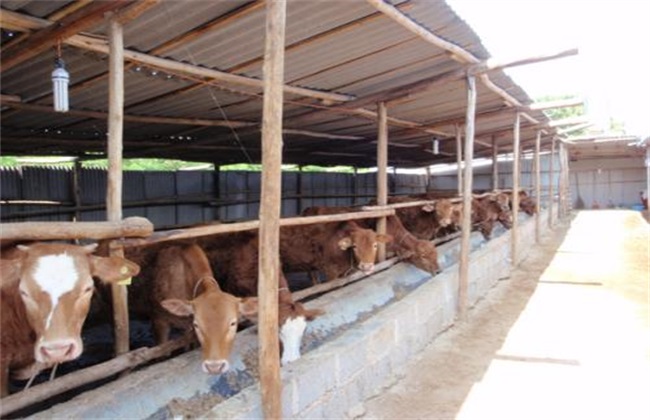
How to do a good job in environmental sanitation management of cattle farms
Environmental sanitation management work of cattle farms
-
What are the sanitation requirements for raising Ussuri raccoon dogs?
General sanitation requirements 1. A lime disinfection trough made of cement must be set up at the entrance of the raccoon dog farm; if conditions permit, sunlight disinfection can be added, as ultraviolet rays have a very good killing effect on anthrax spores and Pasteurella. All personnel should enter and exit through this point, and outside visitors should be controlled. Feeding and technical staff should manage their respective raccoon dog groups, tools, feeding utensils and supplies according to their division of labor, and must not mix them up. 2. The ground of the raccoon dog farm should always be kept clean and dry. Quicklime powder should be spread on the ground of the pens once a week, and feces should be cleaned up once a day and concentrated in a fixed location
-
Key Technical Points for Sanitation Management and Disease Control in Intensive Rabbit Farms
An intensive rabbit farm is a large-scale rabbit product enterprise operated with factory-style management, featuring standardized management, high stocking density, rapid herd turnover, and high operational efficiency. Intensive production has many advantages: relatively enclosed production buildings, frequent breeding in all four seasons, efficient cyclical use of equipment, and balanced batch marketing of products. The disadvantages are: frequent high-speed operation puts pressure on disease prevention, making a high incidence of disease extremely likely. Disease control in intensive rabbit farms differs from traditional rabbit farming; any disease that may cause a decline in operating profit
-
Key Points and Methods of Fox Farm Sanitation Management
Sanitation and Epidemic Prevention Measures for Fox Farms. Formulating effective sanitation and epidemic prevention measures for fox farms to reduce or eliminate the incidence of disease in foxes is of great significance for improving fox pelt quality and economic benefits. Therefore, in daily feeding and management, the principle of prevention being more important than treatment must be adhered to. I. Sanitation Measures. Feed sanitation. Purchasing feed from epidemic areas is absolutely prohibited. Many infectious diseases are shared between livestock and foxes; if foxes eat meat-based feed made from diseased livestock, it will cause outbreaks of disease. Control feed mold. For
-

How to Do a Good Job in Sanitation and Epidemic Prevention for Greenhouse Duck Farming
How to Do a Good Job in Sanitation and Epidemic Prevention for Greenhouse Duck Farming
-
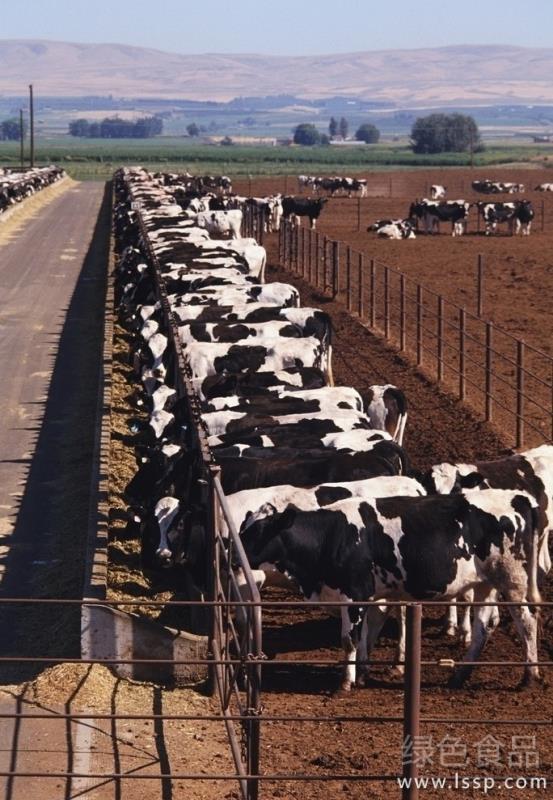
Dairy Farm Construction and Sanitation Management: Site Selection Should Be Away from Public Places
Construction and Sanitation Management of Dairy Farms Away from Public Places
-
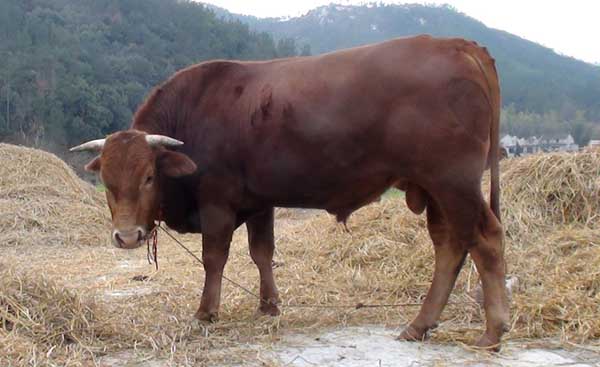
Detailed Explanation of Sanitation Management Methods and Key Points for Cattle Farms
Sanitation Management for Cattle Farms
-
Key Points of Sanitation and Disease Prevention Techniques in Dairy Cattle Farming
Sanitation and Disease Prevention for Dairy Cattle
-
条件筛选