Detailed Explanation of Sanitation Management Methods and Key Points for Cattle Farms
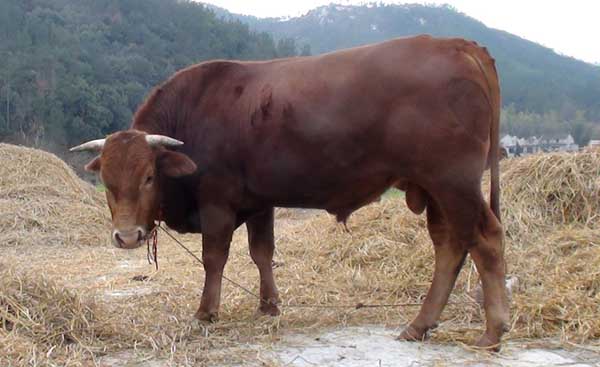
The first requirement for raising cattle well is to do a good job of cattle farm sanitation so as to achieve the goal of healthy cattle farming.
Site selection and layout should be conducive to disease prevention
The cattle farm should have a perimeter wall; the production area, office area, and living area should be separated, and disinfection pools should be set up at the entrances of each area. The manure storage area, sick cattle barn, and veterinary room should be located more than 200 m away from the cattle barn, in a remote downwind location. The cattle farm should be chosen on high, dry, flat, and open ground, and the site should be more than 1000 m away from major traffic routes, hospitals, factories, and residential areas.
Establish a disinfection system
Disinfection pools at the farm gate and the entrances of each area must always contain high-concentration disinfectant, which must be replaced frequently. Staff entering the production area must change their clothes, hats, and shoes, and may only enter to work after 15 minutes of ultraviolet disinfection. All staff and vehicles on the farm must pass through the disinfection pool. The cattle barn must always be kept clean and sanitary, free of odors and ammonia gas, and well ventilated, with disinfection once every 15 days. Cattle troughs and tools must be scrubbed frequently and disinfected.
Formulate a systematic quarantine, disease prevention, and deworming system
Cattle must be purchased from non-epidemic areas. Before purchase, they must be quarantined by the local quarantine department, which issues a quarantine certificate. Only after the vehicle and the animals have been disinfected may they be brought onto the farm. After 15 days of observation in the isolation barn, they may be confirmed healthy and free of disease before being merged into the herd for feeding.