How to do a good job in environmental sanitation management of cattle farms
Cattle farming is very common in our daily lives. However, in recent years, because the breeding industry has caused relatively serious pollution to the environment. Therefore, cattle farming nowadays must take environmental protection as the primary prerequisite. So when raising cattle, we must focus on managing the environmental sanitation work of the cattle farm well, otherwise if it is found during inspection, rectification will be ordered. So how should the environmental sanitation of a cattle farm be managed? Below, the editor will briefly introduce it to everyone, let's take a look together!
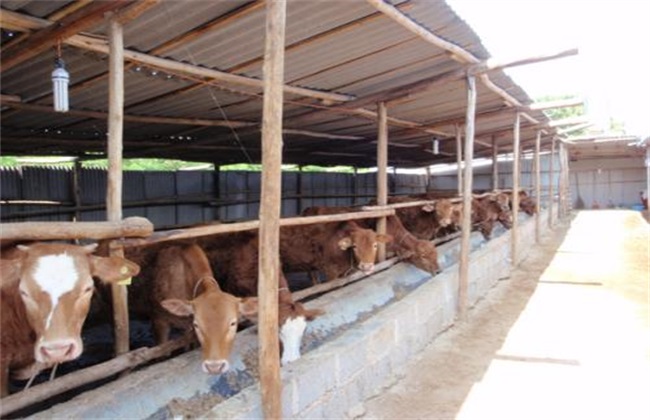
1. Sanitary environment
First of all, the sanitary environment of the cattle farm is what we need to do well first. The cattle shed should be cleaned frequently and disinfected. When cleaning the cattle shed, pay attention to the manure and sewage in the dead corners, and the feed troughs and water troughs should also be cleaned and disinfected frequently. After the interior of the cattle shed is cleaned, the water should be drained promptly for ventilation, so that the floor of the cattle shed can dry quickly. Then the weeds around the cattle farm should also be removed regularly, and then an appropriate amount of quicklime should be spread. Doing a good job in the environmental sanitation work of the cattle farm can effectively reduce the base numbers of mosquitoes, flies, pathogens and parasites, thereby lowering the incidence of disease and ensuring the normal growth of the cattle.
2. Manure treatment
The pollution caused by cattle farming to the environment mainly comes from cattle manure. Therefore, we must promptly handle cattle manure and clean it out of the cattle shed at fixed times every day. If possible, it is best to keep the cattle manure dry and handle it promptly. The cattle manure storage area should be far away from residential areas to avoid disturbing residents' lives. Then we can stack and ferment the cattle manure. After the manure is decomposed, it can be used as organic fertilizer, and the fertilizer effect is also very good. Moreover, cattle manure fermentation can be used for biogas, power generation and various other purposes, thereby achieving the goal of turning waste into treasure.
3. Humidity in the cattle shed
The humidity of the cattle shed is also closely related to the environmental sanitation of the cattle farm. The suitable hatching humidity for many mosquito and fly eggs is generally around 70%. Therefore, be sure to keep the cattle shed in a relatively dry environment. When setting up drinking water troughs, pay attention to their height, which must not be too high. Keeping a flowing water level of about 2cm is sufficient, to avoid the cattle splashing water out when drinking. If the drinking water device has a leakage problem, then it should be replaced promptly, and then the leakage should be cleaned up. After cleaning the cattle shed, dry the water promptly to avoid affecting the growth of the cattle.
4. Reasonable greening
When raising cattle, for cattle farmers with the conditions, it is best if we can set up a green area around the cattle farm. An appropriate amount of fruit trees, medicinal herbs, etc. can be planted. These plants not only help the environment well, but also have the effect of preventing and controlling mosquitoes and flies. This method is now being used in most areas, and if the planting area is relatively large, then it might even increase economic benefits.
The above is a brief introduction to the environmental sanitation management work of cattle farms. That is all for today's introduction. This article is for reference only. Thank you all for reading and supporting.