Dairy Farm Construction and Sanitation Management: Site Selection Should Be Away from Public Places
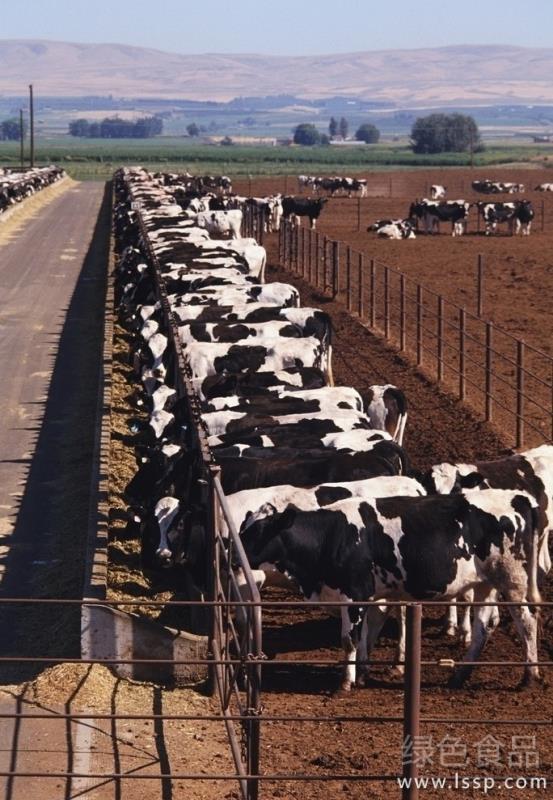
Dairy Farm
The dairy farm site should be built in a place with flat, dry terrain, good and abundant water quality, smooth drainage, convenient transportation, and a quiet environment. It should be away from public places, schools, residential areas, and slaughterhouses to avoid the spread of disease among animals.
Dairy Farm Layout
1. A disinfection pool is set up at the entrance of the dairy farm, and ultraviolet disinfection can also be added to the disinfection room.
2. The living and production areas of the dairy farm are built on the upwind side of the farm area, while the veterinary room, calving room, manure yard, and sewage treatment pool are built on the downwind side.
3. The cow shed faces south with its back to the north, maintaining temperature, humidity, and ventilation inside the shed, effectively discharging moist and foul air, with exhaust fans added in summer.
4. Ensure natural lighting for the dairy cows.
5. Keep noise below 90 decibels.
6. The cow shed should have a good manure cleaning and urine drainage system, with clean passageways and dirty passageways separated within the farm.
7. Manure and urine treatment facilities should be set up within the farm and comply with harmless treatment standards.
Dairy Farm Sanitation Management
Good sanitation is the only way to ensure normal production of dairy cows. A disinfection pool should be set up at the entrance of the dairy farm, and the disinfectant in the pool should be replaced regularly; a 0.2%-0.5% peracetic acid solution or sodium hydroxide solution can be used. A disinfection room should be set up in the production area, equipped with ultraviolet lamps and hand-washing disinfectant. Forage should be chopped short, foreign matter removed, and contamination prevented. Every day, clean the troughs, floors, and walls of the cow shed, removing dirt and manure. Regularly eliminate insects and pests within the farm area, clear weeds, and prevent pests from breeding. Liquid medicine must not directly touch the cow's body or milk containers. Breeding and milking personnel must not suffer from infectious diseases such as hepatitis, tuberculosis, and brucellosis, as well as zoonotic diseases, and must undergo a health check every year, obtaining a health certificate before being allowed to work. Staff members' work caps, work clothes, and work shoes should be cleaned and disinfected frequently, and locker rooms, shower rooms, and toilets should be cleaned and disinfected regularly.
Epidemic prevention and quarantine of dairy cows. Dairy farms must establish a strict disinfection system, with strict disinfection of vehicles and personnel entering and leaving; cow troughs disinfected once every ten days, cow sheds disinfected once a month, and the entire farm disinfected once a quarter. Newborn calves should receive their first milk 1 hour after birth, and within 7 days must be ensured to drink enough milk. Every spring, the entire herd is vaccinated against non-virulent anthrax spore vaccine at a density of no less than 95%. Dairy cows that test positive for brucellosis and tuberculosis in laboratory tests are all culled and buried deep. When introducing new stock, they must not be brought in from epidemic areas; after introduction, they need to be isolated and observed for 15 days to 30 days, during which quarantine testing should be carried out, and only after being confirmed healthy can they be used for breeding and production.
Standardize Milking Procedures
Before milking, first rinse the dairy cow, clear manure from the cow bed, secure the cow's tail, and use warm water at 40°C-45°C to clean and massage the udder; the first and second handfuls of milk have a relatively high microbial content and should be discarded; milk healthy cows first, then lame cows; milking utensils should be cleaned and disinfected before and after use; after milking, each teat should be disinfected by dipping, because the teat orifice just after milking takes 1 minute to 2 minutes to close, and if bacteria enter, it can easily cause mastitis. Throughout the entire milking process, ensure one towel per cow and one bucket of water per cow, and never apply lubricating grease to the teats.