-
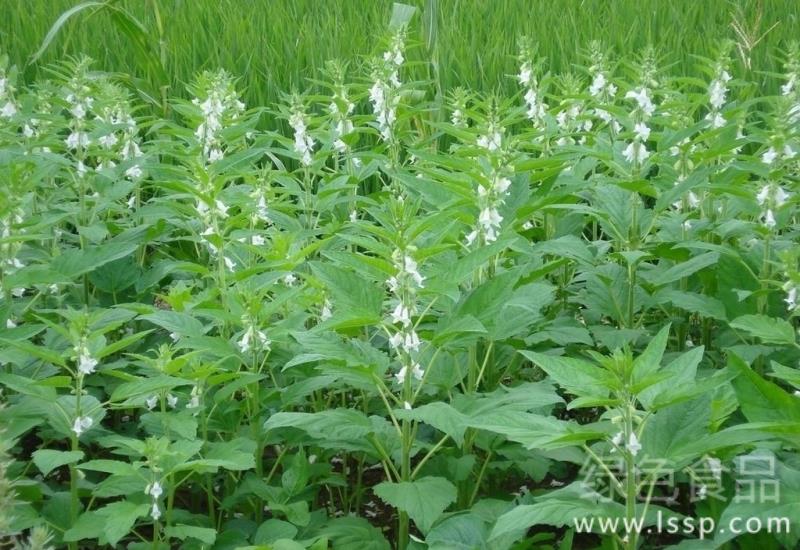
To achieve stable and high yields in sesame, you need to master the "Ten Changes" techniques
To achieve stable and high yields in sesame, you need to master the "Ten Changes" techniques
-
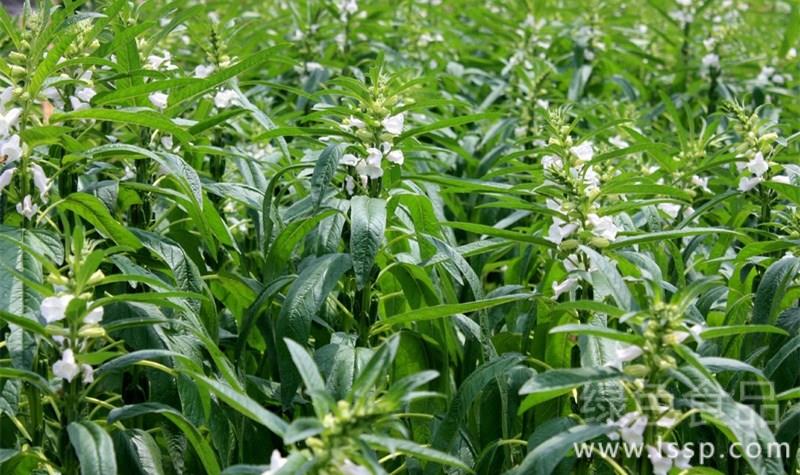
Sesame has a high fertilizer demand; how should fertilizer be applied skillfully during the flowering period?
Sesame has a high fertilizer demand: how to skillfully apply fertilizer during the flowering period of sesame
-
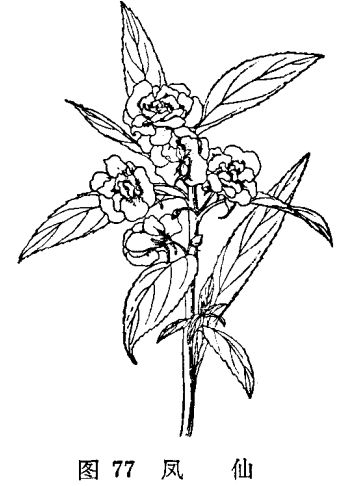
What are the three species of flowers in the same genus as Impatiens?
1. Impatiens balfourii Hook. (Balfour's impatiens): A perennial herb, 90 cm tall, much branched. Leaf margins have fine curved teeth, petioles lack glands. Flowers large, 6-8 clustered into racemes. Capsules erect, 2.5-4 cm long, smooth. Native to the western Himalayan region.
-
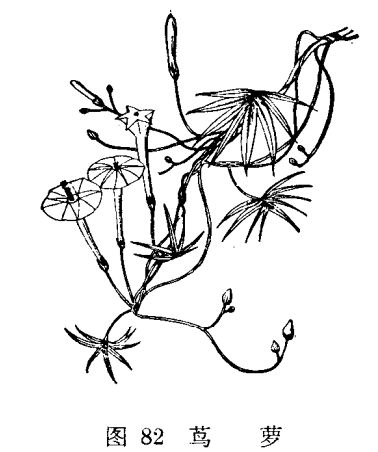
What are the two flowers in the same genus as cypress vine?
1. Cypress vine (Q. coccinea Moench), also known as orange-red cypress vine. Annual twining herb, up to 4 m long. Leaves alternate, ovate, entire, apex acute or acuminate, base cordate, petiole as long as the blade. Cymes axillary, with 3-6 flowers. Corolla salverform
-

How to prevent and control sesame diseases in hot and humid weather
Recently, some farmers have reported that some sesame plants show leaves curling upward and wilting, some report that sesame leaves wilt rapidly from the top downward, and others report that sesame leaves wither from the bottom upward. What diseases are these exactly? The farmers cannot figure it out either, and they are all asking agricultural technicians for technical guidance, telling them how to prevent and control these diseases. From the current climate factors, high temperatures accompanied by humidity easily trigger sesame diseases, especially in sesame fields with poor drainage, low-lying terrain, or continuous cropping, which are more susceptible to disease. From the sesame symptoms reported by farmers in various places
-
The new sesame variety Jinzhi No. 1 has the characteristics of high yield and high resistance
Jinzhi No. 1 is a new sesame variety selected and bred through years of research by the Wheat Research Institute of the Shanxi Academy of Agricultural Sciences. It passed provincial variety approval in 1994 and was recognized as an achievement by the Provincial Science and Technology Commission in 1998. (1) Characteristics: single stem, square stem, strong growth, dark green leaves, plant height 170 cm, three capsules per leaf, low position of the first capsule, dense capsules, 80 seeds per capsule, 1000-grain weight 3.1 g, white seed coat, excellent quality, oil content 56.2%, meeting export standards. Growth period 100 days for spring sowing, 85-90 days for summer sowing, belonging to the medium-early maturing variety
-
New sesame variety Zhongzhi 12: high yield, disease-resistant and high quality
Zhongzhi 12 was developed by the Oil Crops Research Institute of the Chinese Academy of Agricultural Sciences through crossing the introduced foreign sesame variety "CLSU-9" as the female parent with "Yiyangbai" as the male parent, followed by multiple generations of directional selection, and was approved by the Hubei Provincial Crop Variety Approval Committee in 2003. Characteristics: This variety is of the single-stem type, with three flowers per leaf axil and four-angled capsules. The plant is relatively tall, generally about 160 cm in height, and can reach more than 2 m at its tallest. The leaves are green, relatively large, with longer petioles, and the stem is greenish-yellow at maturity
-
Key Technical Points for Spring Sesame Cultivation with Plastic Film Mulching
Plastic film mulching cultivation can bring sesame yields to over 150 kg per mu, and some can exceed 200 kg, so film mulching is an effective cultivation measure for achieving super-high sesame yields. The specific techniques are introduced as follows: 1. Seed selection and timely early sowing: After plastic film mulching, the effective growth period of sesame is extended. Therefore, mid-to-late maturing excellent sesame varieties with waterlogging tolerance, disease resistance, and high yield potential should be selected, such as Yuzhi No. 5, No. 7, No. 8, and sesame hybrids. Early sowing is suitable, with a sowing period from the end of April to early May, to fully utilize the growing season and increase sesame yield. 2. Land preparation
-
High-yield Cultivation Techniques for Sesame in Semi-arid Mountainous Areas
1. Select high-yield, disease-resistant varieties. Demonstrations in recent years have shown that choosing a superior variety is the guarantee of a high yield. The E-zhi No. 2 variety has the characteristics of wide adaptability, good yield potential, and strong resistance, with an average yield of generally 130-150 kg per mu, and it has now been promoted for cultivation over a large area. 2. Fine land preparation. Sesame seeds are relatively small; to facilitate emergence, the land should be finely prepared before sowing, leveled and harrowed fine, with no visible or hidden clods, so that seedlings emerge evenly with no missing plants or broken rows. 3. Apply sufficient base fertilizer. According to soil fertility conditions and
-
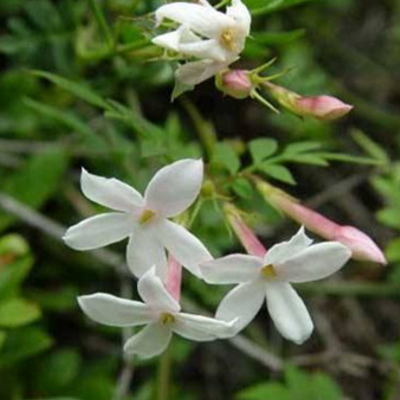
Is the cultivation method for Jasminum officinale the same as for jasmine?
Jasminum officinale, this is also a kind of plant, it grows really beautifully, blooming with small white flowers, so what is the cultivation method for Jasminum officinale? Is it the same as jasmine: Cultivation method for Jasminum officinale: Temperature, their requirements for temperature are still relatively high
条件筛选