-
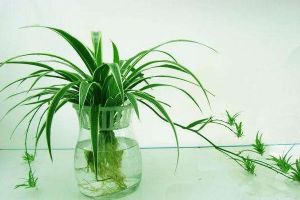
Hydroponic plants always getting root rot? The cause is actually the nutrient solution
Anyone who has grown flowers for a while knows that growing plants can be divided into hydroponics and soil culture. Some people prefer soil culture, feeling that soil protects the plant's roots, looks more reassuring, and allows the plant to absorb nutrients more fully. Others prefer hydroponics. A large portion of these people are younger flower-growing enthusiasts. Friends who like hydroponics generally do not grow large ornamental plants; they usually choose to grow smaller plants, such as pennywort (Hydrocotyle vulgaris), which naturally grows in water, and another type of plant that can be grown both hydroponically and in soil.
-
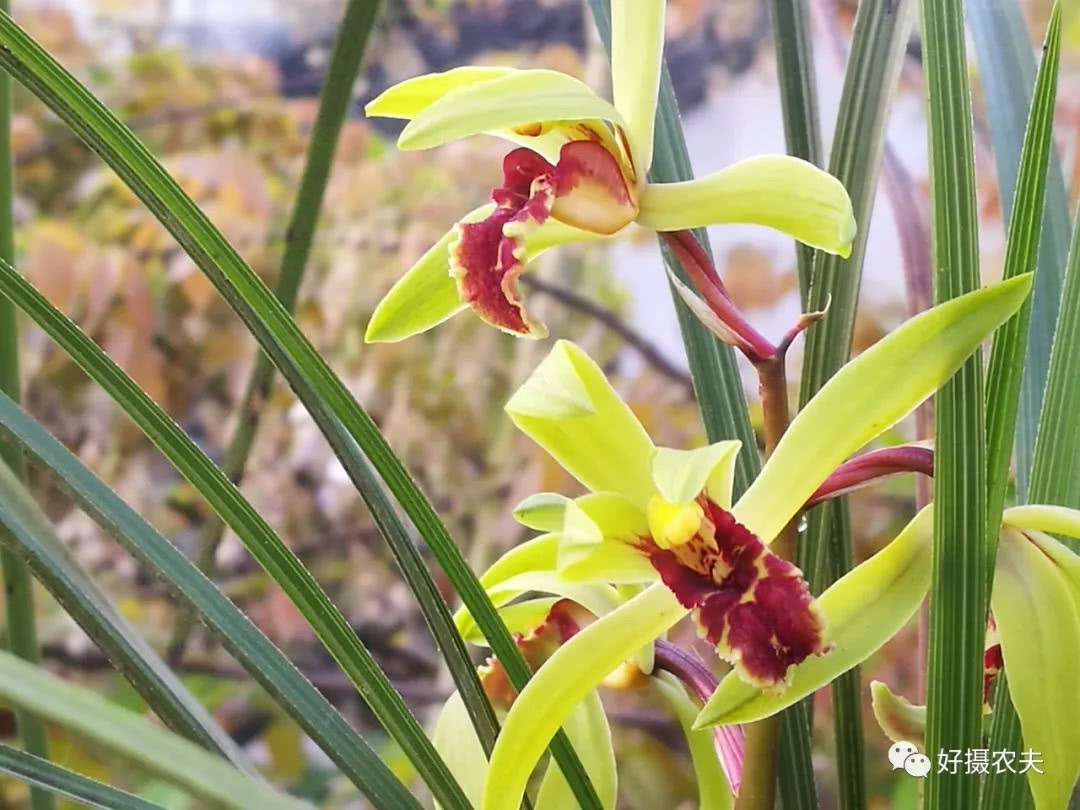
Orchid roots have no crystal tips? A fellow orchid grower accidentally knocked over an orchid pot and only then discovered the reason
To grow orchids, first grow the roots - this is something Haoshe Farmer often tells fellow orchid growers. As long as the orchid's root system is healthy, there is no fear that the seedlings will not grow well or that it will fail to bloom beautifully. Whether orchid roots are robust or not, we often judge by the crystal tips. Healthy crystal...
-
How to prevent and control waterlogged root rot in Welsh onions? These methods you need to master
What methods can increase the yield of Welsh onions? Please advise. To increase the yield of Welsh onions, you can refer to the following methods: 40-50 days after planting Welsh onions, the root system has basically recovered and begins to enter the vigorous growth period of the leaves. In terms of technical management measures, it is necessary to shift from mainly promoting root growth in the early stage to mainly promoting stem and leaf growth. To improve the...
-
What are the control methods for peanut violet root rot?
How does peanut leaf spot occur? Both peanut black spot and brown spot are diseases caused by fungi. The sexual stage of the peanut black spot pathogen is Berkeley's Mycosphaerella; the stroma is hemispherical, brown to black, embedded beneath the host epidermis, with conidiophores densely clustered on the stroma; conidia are borne terminally, the conidia are olive...
-

The wastewater in your home is actually magic water for plants: leaves grow glossy and roots get a boost
Many plant lovers rarely fertilize their plants, basically keeping one pot until it dies. When plants are grown this way, they often don't grow well in the later stages, with lots of yellow and withered leaves. Actually, you don't necessarily need to buy so much fertilizer. You can try these...
-
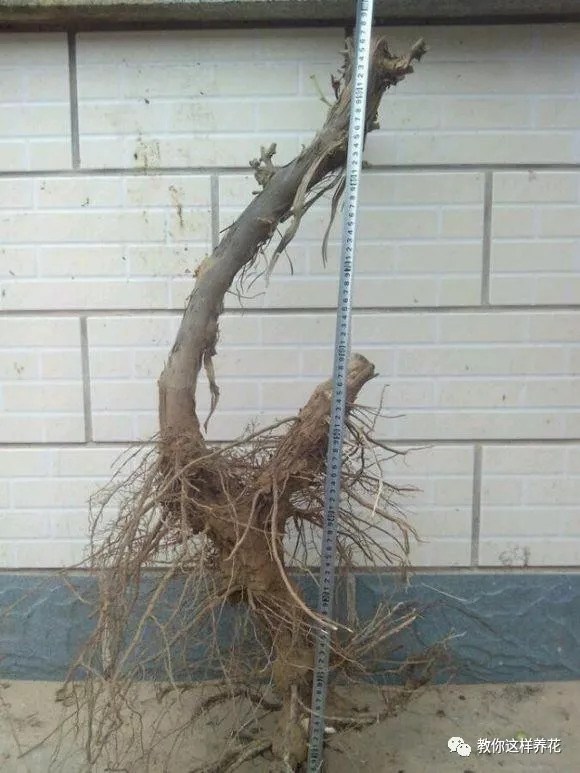
A grape vine stump picked from a trash can took root, sprouted, and even grew small grapes
Gardening friend Mr. Wu found an old stump next to a trash can. Because the weather was cold at the time and the leaves had not yet grown out, it was hard to tell what kind of root stump it was. He took it home and potted it up, and after keeping it warm and moist, it finally grew small leaves. After caring for it for a while, ...
-
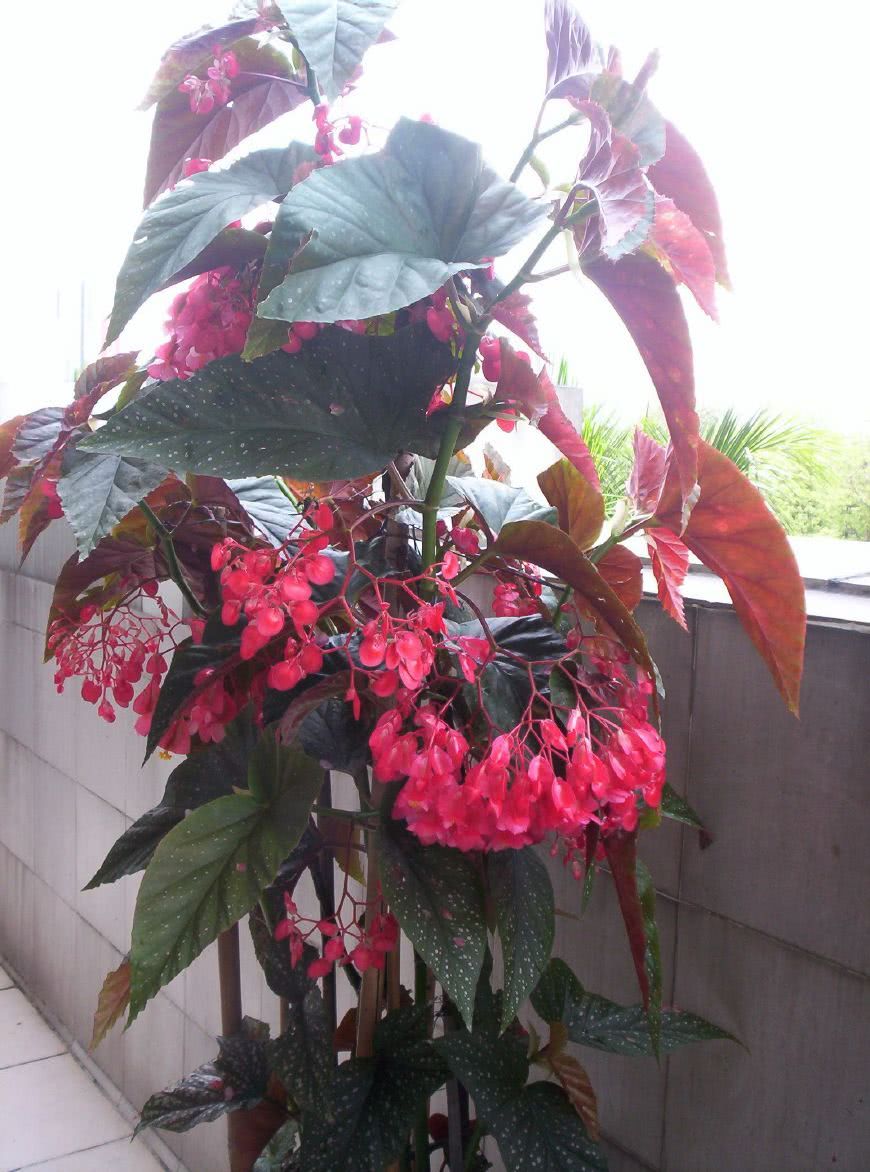
A woody plant that blooms in all four seasons and is as easy to grow as a pothos, rooting from cuttings just like that - choose it for autumn flower growing
Introduction: Potted green plants are an essential decorative touch for home life. Keeping some flowers and plants at home has many benefits - it beautifies the room and lifts your mood. "Flower Sound Potted Plant Diary · Issue 1278" introduces you to a super easy-to-grow woody flowering plant...
-
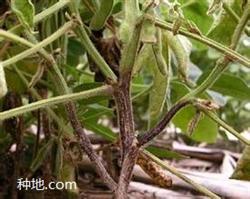
What are the control methods for soybean root rot?
How should soybean root rot be controlled? What is the best method? Soybean root rot can be controlled with the following methods: 1. Choose disease-resistant varieties. 2. Rotate with non-host crops such as corn, foxtail millet, and sweet potato. 3. When sowing, apply more farmyard manure, potassium fertilizer, phosphorus fertilizer, etc. 4. When sowing, apply metalaxyl granules...
-
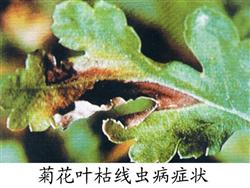
How to root chrysanthemum cuttings in water? Practical tips to help you propagate easily
Chrysanthemum foliar nematode disease is one of the important diseases of chrysanthemums. It is distributed all over the world, and occurs in Shanghai, Nanjing, Hefei, Guangzhou, Changsha, Kunming, Zhejiang and other places in China. It mainly damages chrysanthemum leaves, causing them to turn yellow and drop early. In addition to chrysanthemums, this nematode also harms China asters, black-eyed Susans, dahlias, ...
-
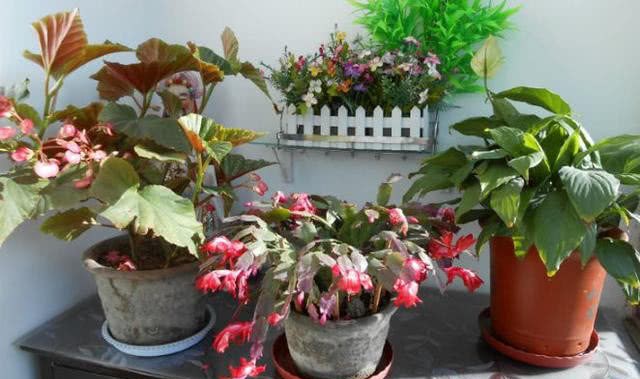
Water your flowers with this kind of water, and it is more powerful than rooting water or rice water; no matter how hard a plant is to grow, it can still burst into a full pot.
More and more people are growing flowers, which shows the charm of gardening: it can bring people unexpected results, the beauty of flowers can make a room more beautiful, elevate people's lifestyle, and some flowering plants...
条件筛选