-
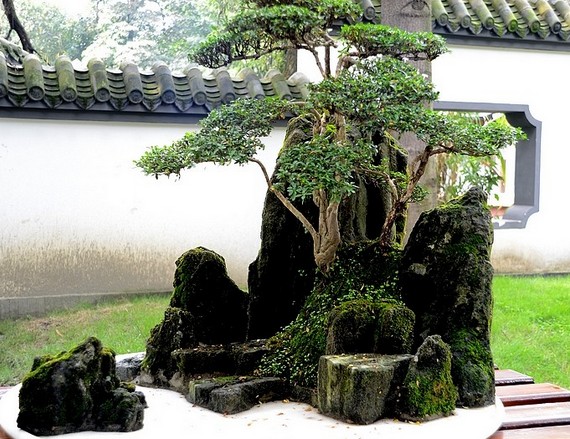
Why is the Sichuan-style bonsai rooted in the mountains and rivers of Sichuan?
Sichuan-style bonsai is one of the five major schools of traditional Chinese bonsai, deeply rooted in the majestic and beautiful mountains and rivers of Sichuan. The bonsai-making techniques represented by the Chengdu region are the foundation and core of Sichuan-style bonsai-making techniques. Sichuan-style bonsai has a long history, profound cultural heritage, exquisite craftsmanship, and strong local characteristics.
-

Hsieh Chih-cheng Takes the Helm at Harvest Farm Magazine, Bringing Grassroots Agricultural Knowledge to Light
The Harvest Farm Magazine Foundation held a board meeting on the morning of the 3rd, during which Hsieh Chih-cheng was elected as the new chairman. Hsieh Chih-cheng previously served as a professor in the Department of Bio-Industrial Mechatronics Engineering and retired in 2013. He has also served as CEO of the 921 Earthquake Post-Disaster Reconstruction Foundation, Secretary-General of the Taiwan Professors Association, and a member of the
-
How to Handle Yellowing Leaves and Root Rot in Clivia
Clever Ways to Deal with Yellowing Leaves in Clivia
-
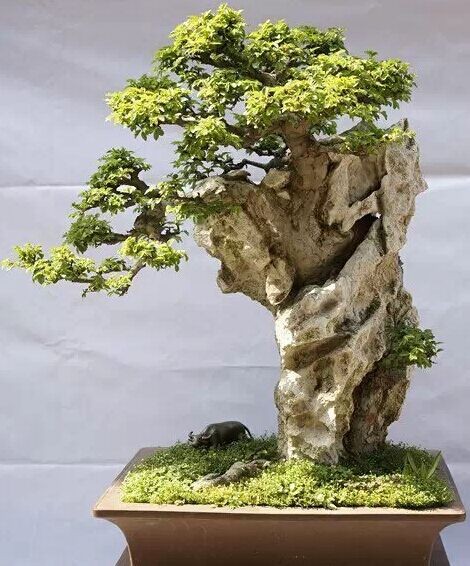
How do you make a root-over-rock bonsai? Practical experience shared with you
A root-over-rock bonsai is made by exposing thick roots and letting them cling to and grow over rocks, with some bonsai accessories appropriately chosen to embellish it. It has the imposing air of standing atop a peak, giving people a feeling of indomitability, ceaseless upward striving, and unending life
-
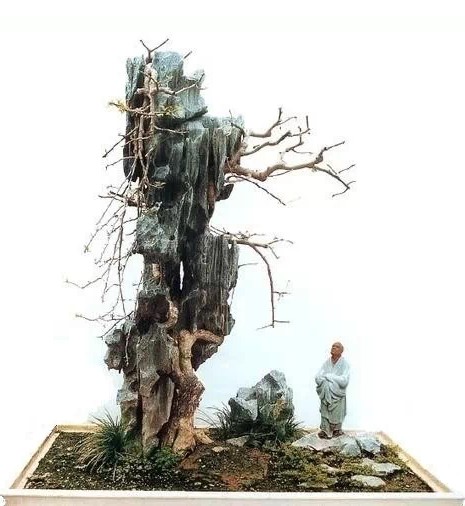
Root-over-rock bonsai demands a high level of artistry and has a strong wild, mountain-and-field flavor.
Root-over-rock bonsai, also called tree-and-rock bonsai, is a bonsai form that ingeniously combines trees and rocks into one; its characteristic is that the tree is planted on the rock, with the roots either anchored in rock holes or crevices or clasping the rock as they grow, and its style is either delicate and elegant, or majestic and grand, or rustic and vigorous, or steep and precipitous, or open and spectacular.
-
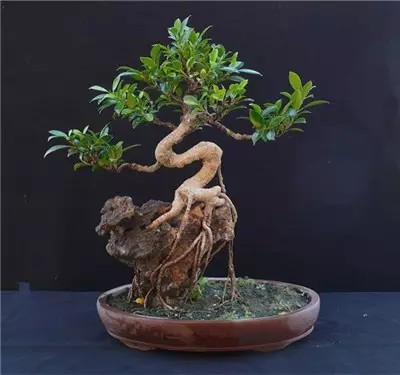
A Master-Level Complete Guide to the Art of Root-on-Rock Penjing Styling
Root-on-rock penjing is a style of penjing art in which rock is the main element, trees grow clinging to the rock, and rock and tree form a single integrated whole. The trees are planted among the rocks, their roots reaching into the crevices to grow, their branches and trunks twisting into the stone hollows or sprouting in clusters on the rock, or hanging down below the stone, or leaning sideways against it, so that the fantastic rock and the ancient tree set each other off beautifully.
-
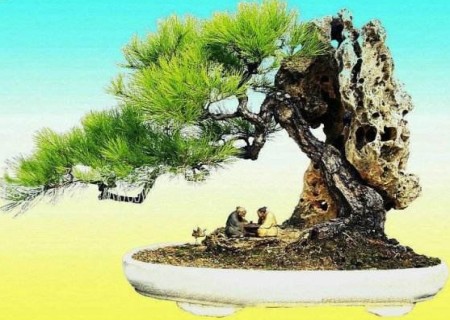
How to make a root-on-rock bonsai? Detailed step-by-step illustrated guide to the whole process
Generally, stump bonsai are made by planting the tree stump directly in the potting soil, which makes them relatively easy to create and care for. But if the stump looks as if it grew on and from the rock, that is a distinctive root-on-rock style stump bonsai. There are many kinds of ornamental stones, but hard, non-absorbent mountain rocks are generally not used, because otherwise they are not only difficult to work
-
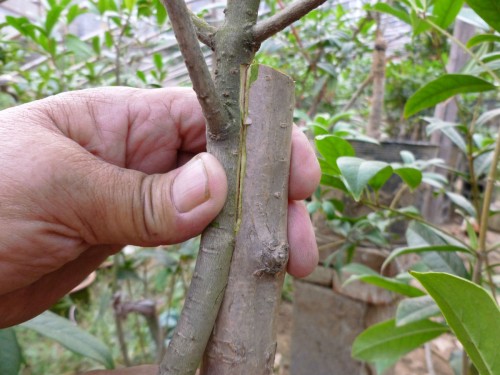
Illustrated Tutorial on the Approach Grafting Method for Stump Bonsai Head Roots
For stump bonsai grafting, the approach grafting method and the cleft grafting method are used. In North China, approach grafting can be carried out from May to August, and the best time is from before the dog days to the third dog days. With outdoor care, success is generally achieved in just over two months. Cleft grafting is carried out in late March when Chinese ash and osmanthus begin to sprout. After grafting, place them in a sunny shed to prevent wind from causing water loss.
-
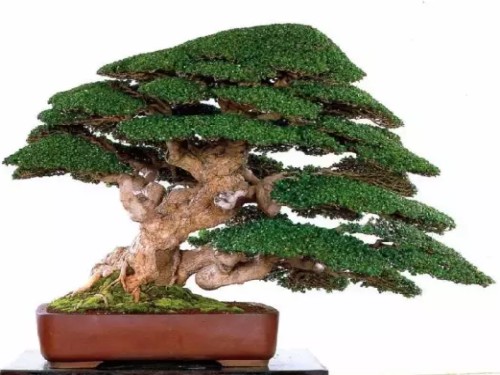
Detailed Explanation of Key Techniques for Bare-Root Cultivation of Bonsai Tree Stumps
With the further development of urban landscaping and home courtyard beautification, the shaping and landscaping of tree stumps has become increasingly popular. Besides the bonsai that people can often move around, they always linger over the shaped landscapes featuring tree stumps in public green spaces and home courtyards, which shows people's mentality of revering nature.
-
A Complete Guide to Root-Raising Methods and Techniques for Stump Bonsai
To enhance the artistic value and appreciation appeal of stump bonsai, the roots are generally given root-raising treatment, so that a portion of the powerfully and steadily shaped roots at the base is exposed on the surface of the pot, giving people an aesthetic mood of ancient ruggedness and majestic wonder. Root-raising methods usually include the deep-pot high-planting mounding method and the deep-pot flat-planting water-washing method
条件筛选