Baizhi (Angelica dahurica root) and mulberry leaf are common medicinal herbs in Beijing.
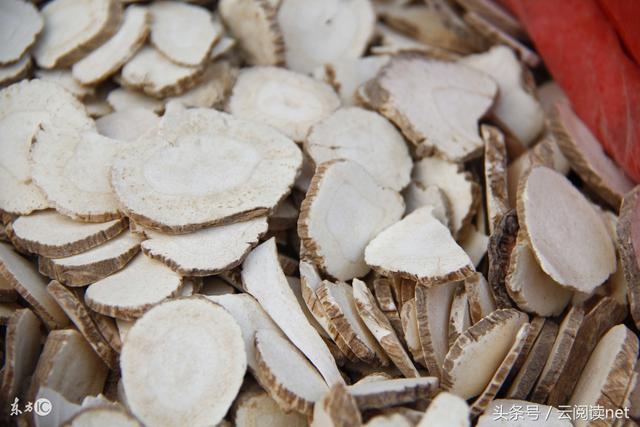
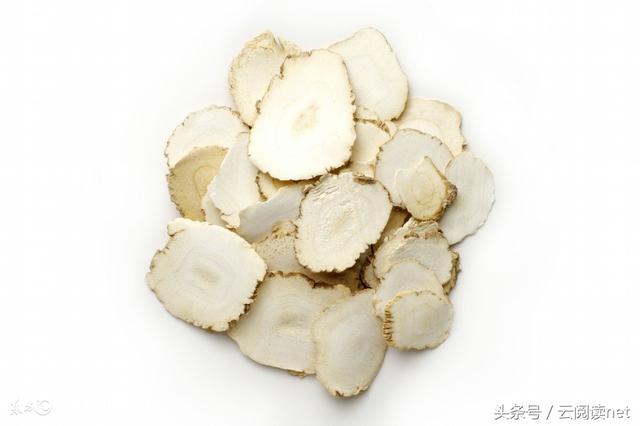
Baizhi
It is the root of the umbelliferous herb Angelica dahurica. The raw medicinal material is sun-dried and used fresh after slicing; Baizhi is warm in nature, pungent in taste, and enters the lung, stomach, and large intestine meridians.
Its main functions are:
Dispelling wind and relieving pain: This herb is pungent, dispersing, warm, and unblocking, and its fragrance opens the nasal passages, so it specifically treats symptoms such as purulent nasal discharge, pain at the brow ridge bone, and toothache.
Example formula: Scutellaria baicalensis and Baizhi in equal parts. Grind into a fine powder. Take 3 grams each time, twice daily, swallowed with warm tea. It mainly treats chronic rhinitis, sinusitis, and neuropathic headache.
Reducing swelling and discharging pus: This herb can invigorate the blood, reduce swelling, and discharge pus, and mainly treats sores, ulcers, and swelling-toxicity.
Example formula: Baizhi and rhubarb in equal parts. Grind into a fine powder, take 3-6 grams each time, twice daily, swallowed with warm rice water. It can treat various purulent boils, carbuncles, and sores. It has the effects of reducing swelling, discharging pus, and removing toxin.
According to modern research,
Baizhi contains components such as byakangelicin and oxypeucedanin, and has analgesic and antibacterial effects. The oral decoction dosage of this herb is 3-9 grams per day.
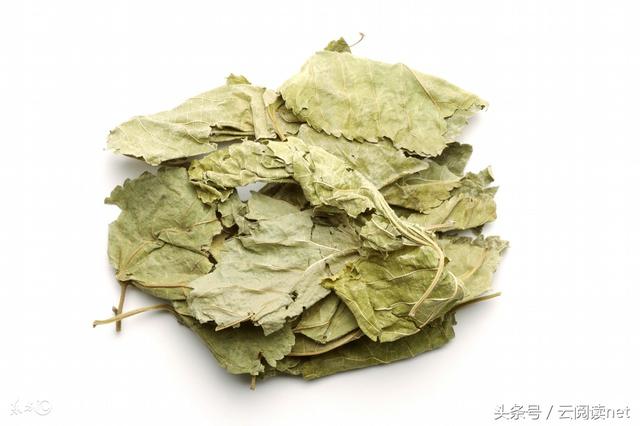
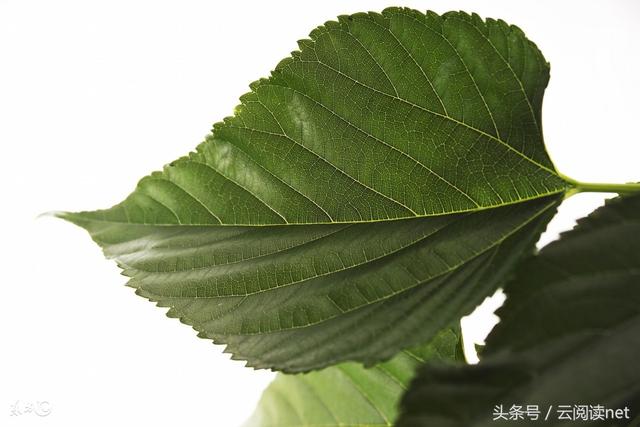
Mulberry leaf
It is the leaf of the small mulberry tree of the Moraceae family, harvested after frost and sun-dried. Used fresh, it clears and drains liver heat; used processed, it clears lung heat and lung dryness; mulberry leaf is cold in nature, bitter and sweet in taste, and enters the lung and liver meridians.
Its main functions are:
Dispersing wind-heat: This herb is light, clear, and dispersing, and is good at eliminating wind-heat pathogens. It is suitable for treating dizziness, red eyes, sore throat, thirst, and other symptoms caused by externally contracted wind-heat and liver heat.
Example formula 1: Mulberry leaf 9 grams, chrysanthemum 9 grams. Soak in boiling water, drink frequently as tea without restriction of time. It mainly treats the early stage of externally contracted wind-heat, with symptoms such as sore throat, red eyes, and thirst.
Example formula 2: Mulberry leaf 9 grams, chrysanthemum 9 grams, apricot kernel 6 grams, Forsythia suspensa 4 grams, mint 3 grams, licorice 3 grams, reed root 6 grams. Decoct in water and take. It mainly treats externally contracted wind-heat, with symptoms such as sore throat, red eyes, thirst, dizziness, and cough.
Clearing the liver and improving vision: This herb is sweet, cold, clearing, and moistening, and is suitable for treating blurred vision, dry eyes, and dry ears caused by insufficient liver yin or liver heat.
Example formula: Mulberry leaf 200 grams, black sesame 80 grams, grind into a fine powder, and make into honey pills with prepared honey. Take 9 grams each time, twice daily. It mainly treats insufficient liver yin, weakened vision, night blindness, and the like.
According to modern research,
Mulberry leaf contains components such as rutin, quercetin, and choline, and has anti-inflammatory and antispasmodic effects. The oral decoction dosage of this herb is 6-9 grams per day.