-
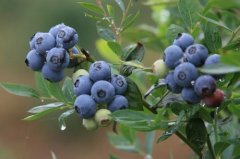
Detailed Explanation of Blueberry Planting Techniques, Management Methods and Environmental Requirements
Blueberries currently fetch a relatively high market price, so do you know how to grow blueberries? Would you like to learn about it and try growing blueberries yourself? Let's take a look at how to plant and manage blueberries, and what kind of growing environment they need. Growing Blueberries
-
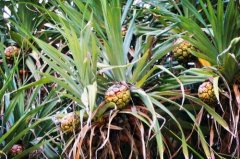
Pineapple Planting Methods and Technical Requirements: Do You Need to Plant Them Every Year?
The pineapple is a very popular fruit in spring and summer. Do you know how it is grown? Would you like to find out? Let's take a look together! (1) Land preparation When cultivating pineapple, the clearing and preparation of the field are very important. The coarseness or fineness of land preparation will affect the future yield and quality of the pineapple. Therefore, for flatland cultivation, it is advisable to use a large tractor to plow, break up the soil, and harrow it level; for slope cultivation, an excavator can be used instead. This not only saves time and labor, but also allows the depth of deep plowing to reach more than 30 cm, which helps bury stubborn weeds and pests and pathogens remaining in the topsoil deep into the soil. Flatland with poor drainage is suitable for high-ridge cultivation, and the drainage system around the field should be properly set up to prevent the plants from being waterlogged and affecting growth and quality. When opening a pineapple field on sloped land, attention should be paid to adopting contour-line planning and carefully arranging orchard roads, so as to facilitate the entry and operation of vehicles and tillers, and planting pineapple along contour lines can prevent soil erosion. After land preparation is completed, 10000∼15000 kg of organic fertilizer, 915 kg of ammonium sulfate, 880 kg of superphosphate, and 530 kg of potassium chloride per hectare should be applied as base fertilizer, adjusting the soil pH to between 4.5∼6.0.
-
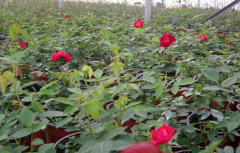
How to Plant Roses: Methods, Tips, and Soil Requirements Explained
Cold winters make it difficult to grow beautiful roses in northern and midwestern gardens. A limited number of varieties can survive on their own, and many more need winter protection. Many rose bushes even need protection, even through relatively mild winters (all the way to Zone 6 or
-
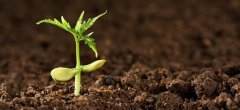
Growing Conditions for Flower Bed Plants and the Effect of Soil pH
The key to successful and trouble-free gardening is choosing plants that best suit your garden's conditions. Plan your home garden to match the most important features of your property - sunlight and soil. Plants rely on light as an energy source for growth, flowers and fruit. The garden bed receives
-
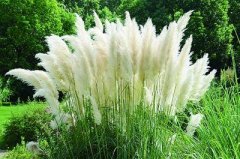
Physical Characteristics of Feather Reed Grass and Soil Requirements of Its Growing Regions
What is feather reed grass? Feather grass is a clump-forming ornamental grass with many varieties. It is a deciduous plant, but it is the first among the family to show foliage in early spring. Feather reed plants may grow to 3 to 5 feet tall and in June produce an inflorescence that starts green and slowly
-
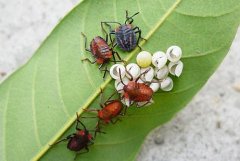
How should the eggs of the litchi stink bug be disposed of? Using Anastatus wasps still requires pairing with physical control methods
Recently, as temperatures have gradually risen, reports of large numbers of litchi stink bugs (Tessaratoma papillosa) activity and breeding have been coming in from all over Taiwan, China. Because the litchi stink bug causes reduced fruit yields in longan and litchi, farmers mostly use pesticide spraying and manual pest removal for control, or release Anastatus wasps to suppress litchi stink bug numbers.
-
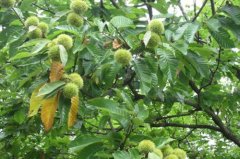
How to plant and care for chestnut trees so they are easy to grow? Learn about the planting history and soil requirements
Since at least 2000 BC, chestnut trees have been cultivated for their starchy nuts for thousands of years. In the past, the nuts have always been an important source of food for humans, used to make flour and as a substitute for potatoes. Currently, 9 different chestnut tree species are grown in temperate regions around the world. All are deciduous trees belonging to the beech family, such as oaks and beeches. If you are considering growing chestnut trees, keep reading for information on chestnut tree care.
-
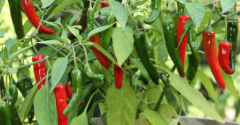
A Detailed Guide to Growing Potted Peppers: Planting Methods, Fertilizing and Watering Requirements
If your summer gardening plans include growing some vegetables in containers, peppers should be on your planting list. When the right varieties receive careful attention, peppers grow better in pots than in the garden, especially in cool or windy climates.
-
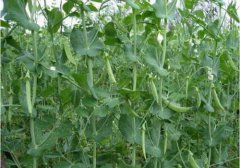
Pea growing techniques, methods and conditions: which stages require fertilizing?
Do you know this vegetable plant, the pea? How do you grow this kind of vegetable plant? Let's take a look! Pea growing guide: peas, also known as snow peas, peas, shell peas. Crop rotation group: Fabaceae (peas and legumes). Growing introduction: soil
-

Detailed Guide to Lotus Planting Methods, Best Timing and Water Depth Requirements
In ancient times, Zhou Dunyi's "On the Love of the Lotus" described the lotus as emerging from muddy silt yet remaining unstained, and rinsed in clear water yet not seductive, firmly establishing the lotus's position in the literary world. Today, as a plant cultivated in China since the Zhou Dynasty, the lotus still has many growers. So what are the lotus planting methods
条件筛选