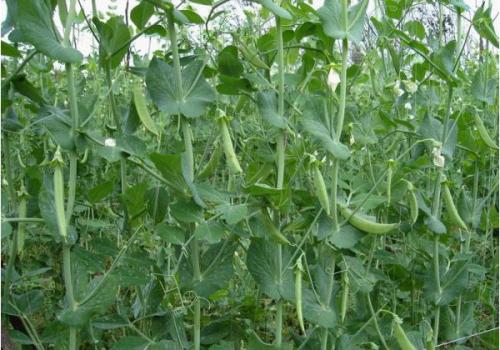
Pea growing techniques, methods and conditions: which stages require fertilizing?
Do you know this vegetable plant, the pea? How do you grow this kind of vegetable plant? Let's take a look!
Pea growing guide: peas, also known as snow peas, peas, shell peas. Crop rotation group: Fabaceae (peas and legumes).
Growing introduction:
Soil: fertile, well-drained soil.
Position: full sun.
Frost tolerance: none.
Feeding: usually not necessary if the plants are heavily mulched with grass clippings, chopped leaves or other biodegradable material.
Companions: chives, mint, sweet alyssum, carrots, corn, cucumbers, radishes, turnips and beans.
Spacing: single plants, 3 inches (10 cm) apart in a single row (minimum)
Rows: 3 inches (10 cm) between plants, 7 inches (20 cm) between rows
Soak the seeds in water overnight, then sow them 2 inches deep, 2 inches apart. After the seeds germinate, thin the plants to the proper spacing. As for watering, if they are not in pots, there are not too many requirements for watering, but if they are grown in pots, then water when the soil dries out, using a moderate amount of water, otherwise the roots are easily damaged. As for fertilizing, generally it is needed at these three stages: germination, flowering and fruiting.
Note: support the plants with a trellis, which can be made from string, netting or branches pushed into the ground near each plant.
Harvest: pick snow peas when the delicate pods begin to show the immature seeds inside. Collect peas when the pods become plump but are still glossy and full of sweet peas. Pick shelling peas before the pods become waxy.
Troubleshooting: mature plants usually stop producing and die in the hot summer.