How to Plant Roses: Methods, Tips, and Soil Requirements Explained
Cold winters make it difficult to grow beautiful roses in northern and midwestern gardens. A limited number of varieties can survive on their own, and many more need winter protection. Many rose bushes even need protection, even through relatively mild winters (all the way to Zone 6 or
Cold winters make it difficult to grow beautiful roses in northern and midwestern gardens. A limited number of varieties can survive on their own, and many more need winter protection. Many rose bushes even need protection, even through relatively mild winters (all the way to Zone 6 or Zone 7), to ensure healthy plants that can produce wonderful flowers in spring.
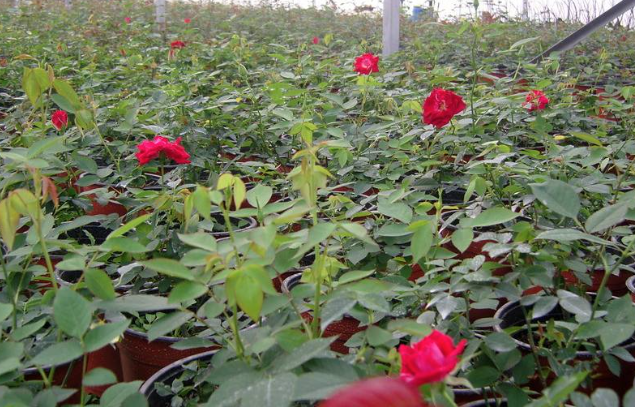
Planting Rose Bushes
Proper planting gives even the toughest rose bushes the best chance at a long, healthy life. Most roses need at least 6 hours of full sun, but all-day sun is best, especially in cold climates. Good soil and plenty of water are equally important. To reduce fungus, if possible, plant in a spot with a light breeze to increase air circulation. Do not crowd your plants; give them plenty of their own “space.”
For bare-root roses (no soil, not in a pot), soak the roots in a bucket of water while you prepare the planting site. You can soak them for 12 hours. Then dig a hole wider and deeper than the size of the roots, at least 18“ wide and deep, up to 24”. You cannot dig too big a hole, but too small a one will crowd the roots. Roses do not like wet feet, but they do like plenty of moisture. A deep hole will provide good drainage. If you have clay or compacted soil, it is especially important that water collects at the bottom of the hole. If you have sandy or fertile soil, 18 inches deep should be sufficient.
It is wise to test your soil before planting roses. They like neutral soil, or slightly acidic or alkaline. If you are planting in acidic or clay soil, add a small amount of lime when amending the soil.
Test the hole depth by placing the rose in it. Keep the bud union (the “bump” where the stem and rootstock join) at ground level; the roots should not touch the sides or bottom of the hole. Sprinkle 1/2 cup of bone meal or superphosphate at the bottom of the hole to stimulate root development. Add compost to the soil you removed, a couple of shovelfuls, and if your soil is clay, also add the same amount of peat moss. You can also add extra natural nutrients to the soil, another 1/2 cup of bone meal and blood meal, plus a cup of cottonseed meal. (Chemical fertilizers will burn new roots.) Mix it all together well and add a small amount to the hole.
Work the amended soil from the bottom and sides of the hole into the soil, forming a mound at the bottom of the hole, and continue adding more amended soil and working it into the soil from the sides until the mound is large enough to support the plant with the bud union just above ground level. As the loose soil settles, the plant will lower, bringing the bud union to ground level. Carefully arrange the roots so they do not tangle or fold. Begin adding the amended soil, gently working it around the roots with your hands, until the hole is about 3/4 full, then gently firm the soil. Fill the hole thoroughly with water, let it soak in, then fill it again.
Now prune the canes (stems) back to about 6-10 inches and remove any damaged canes. If the rootstock is twice the size of the roots, there are not enough roots to feed the plant, and the rose will grow spindly. Cut above an outward-facing bud on the cane, at an angle, with sharp rose pruning shears. Finish filling the hole, mounding the excess soil over the canes. This will protect the canes and keep them moist while the rose bush establishes its roots. With continued watering, the mound will compress over time. If your rose is potted, the same principles apply, but of course you will not form a mound of roots. Make sure the hole is at least 6 inches wider than the pot. If the bud union is visible, position it above ground level.
Spread a thick layer of mulch around the rose bush to prevent water from splashing onto any fungal spores that may be present. Water deeply every 4 or 5 days. You do not need to fertilize; the organic amendments you mixed into the soil will slowly feed your roses as they mature. Chemical fertilizers can burn new roots. As leaves begin to appear within 3 to 6 weeks, spray the stems, leaves, and surrounding soil with a fungicide for black spot. If the mound has not fully settled by this time, carefully remove it with your fingers so that you do not damage any new growth.
If you are planting a grafted rose, place the bud union at soil level, or in colder climates position it 1 or 2 inches below soil level or deeper. In Zone 4 or colder areas, you can plant the graft 4 inches deep. If you lose the top growth to winter kill and the bud union is protected, there is a chance your rose will regrow. Be sure to read the care instructions for grafted roses so you understand the differences between grafted roses and own-root roses.