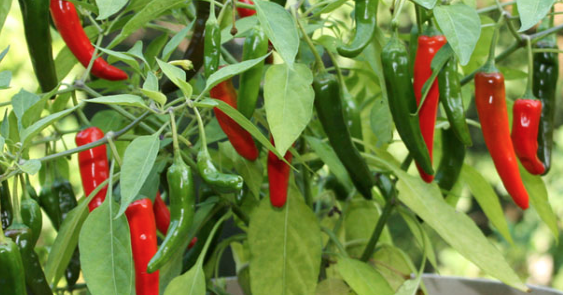
A Detailed Guide to Growing Potted Peppers: Planting Methods, Fertilizing and Watering Requirements
If your summer gardening plans include growing some vegetables in containers, peppers should be on your planting list. When the right varieties receive careful attention, peppers grow better in pots than in the garden, especially in cool or windy climates. Early in the season, peppers grown in containers stay warmer than those whose roots grow deep underground, and later, when the plants are loaded with fruit, moving them to a protected spot will keep the fragile branches from breaking.
Not all varieties are suited to containers. Based on the experience of myself and Pennsylvania Master Gardeners and others, small-fruited peppers with a dense, branching growth habit are the best choice for pots. That said, one of the reasons I grow peppers in containers is to make sure I keep them near the kitchen door for quick picking, so I turn to small sweet peppers and moderately hot jalapenos.
If I could only grow all my peppers in containers, I would favor 'Redskin' or 'Mohawk' for sweet peppers, and perhaps 'Apache' for those who prefer spice. Cool trivia: all three of these excellent container varieties were bred in the UK.
Potted Peppers
Whether you start with purchased seedlings or sow your own seeds, you will soon discover that young pepper plants benefit from being “potted up” into the next size container every two weeks. Use a high-quality potting mix, avoid disturbing the roots with each transfer, and the new container should provide about 2 inches of new growing space on all sides. When my peppers are in their permanent pots, I usually move them up four times. Large pepper plants often need watering every day in hot weather, so I like to use lightweight, moisture-retaining plastic pots when growing peppers in containers.
Depending on your climate, your peppers may grow well on a patio table, but in hot weather the plants can benefit from shading their roots from intense sunlight. Placing the pots in a shallow box or planter or even a cardboard box makes this easy. Without shade, especially dark-colored pots tend to overheat on sunny days.
Peppers may have few pests, but their need for thoughtful feeding and watering is above average. Let us talk about water first, because peppers grown in containers should never be allowed to dry out, and they grow best under consistent slight moisture. How often you need to water depends on the weather, but you can easily judge how dry they are by gently tipping them to check their weight. A very light pot is dangerously dry. If a large potted pepper dries out to the point of wilting, you will need to water it several times to bring it back.
The easiest way to feed peppers in containers is to use a water-soluble liquid plant food weekly, when the plants are well watered and not under stress. Underfed plants have pale green leaves and produce almost no new growth, while happy, well-fed plants are busy producing lots of flowers and fruit.
I often alternate homemade liquid fertilizer with various commercial products, which makes feeding my peppers as much intuition as science. If I were buying fertilizer specifically for potted peppers, it would serve as a good source of all three major nutrients, plus calcium and magnesium, to prevent nutrient stress during fruit set.