-

Detailed explanation of feed-saving rearing methods for chickens, helping you reduce the cost of chicken feed
The cost of chicken feed accounts for about 70% of the total rearing cost, so saving feed to reduce costs is the main way to improve the economic benefits of chicken rearing. The following methods can be used to save feed: 1. Raise excellent breeds. Choose excellent breeds of chickens to raise; at the same age and with the same amount of feed consumption, the production performance of excellent breeds is much higher than that of other breeds. There are more than a dozen high-yielding layer and broiler breeds in the world today, and most of them have already been introduced into China. The laying hens suitable for raising in the north mainly include excellent breeds such as Lohmann, Hysex, and Hy-Line.
-
Early prevention and control of soybean diseases: seize the opportunity to reduce yield losses
To achieve high yields in soybean, the main challenge is to properly manage the four aspects of "seed, water, fertilizer, and light." The "deep-narrow-dense" cultivation technique is a comprehensive high-yield supporting cultivation model formed on the basis of this principle. It takes the selection of dwarf varieties as the breakthrough point, uses air-suction seeders and general-purpose machines as the carrier, and combines "deep" (i.e., deep loosening, deep fertilization, and layered fertilization), "narrow" (i.e., narrow rows), and "dense" (i.e., increased planting density) into a comprehensive high-yield supporting technique. It is a cultivation technique that uses large seeders as the carrier. "Seed" means variety,
-
Spraying cotton with fertilizer boosts yield and reduces pests and diseases
Spraying nitrogen fertilizer: Urea has the effect of destroying insect chitin. When cotton aphids (especially summer aphids) occur, mix urea, laundry detergent and water in a ratio of 4:1:400 to prepare a "wash-urea mixture" and spray it, which has a clear killing effect. Spraying phosphorus fertilizer: During the adult occurrence period of cotton bollworm, using 1%-2% superphosphate leachate as a foliar spray fertilizer can convert oxalic acid into calcium oxalate and cause it to lose its attraction to cotton bollworm. The residual effect of each phosphorus spray is generally 2-3 days. Spraying potassium fertilizer: Use 10 kg of plant ash, add 50 kg of water, soak
-
Interferon Can Reduce Mortality in Pigs with Blue Ear Disease
Interferon is a class of proteins with antiviral, antitumor and immunomodulatory functions produced by cells induced by various inducers (viruses, bacteria, macromolecules, etc.). To investigate the therapeutic effect of interferon on porcine blue ear disease, we conducted a trial from August to October 2006 on the use of interferon combined with other drugs to treat porcine blue ear disease. The trial is reported as follows. From August to October 2006, at the Animal Clinic of the Huai'an Animal Husbandry and Veterinary Station, 325 pigs confirmed by laboratory diagnosis as having blue ear disease were selected and
-
How can reproductive disorders in pigs be effectively reduced?
Reducing reproductive disorders in pigs: 1. Breeding healthy boars and sows: First, through vaccination or medication prevention, ensure that boars and sows are not troubled by diseases, especially the prevention of pseudorabies, swine fever, parvovirus, Japanese encephalitis, as well as infectious diseases such as chlamydia and eperythrozoonosis. Second, manage boars and sows well by stages, that is, reserve boars and sows, pregnant sows, farrowing sows, open sows, young boars, mature boars, etc., should all be cared for according to their respective characteristics and needs. Third, the prevention and treatment of limb and hoof diseases in boars and sows, and mastitis and metritis in farrowing sows.
-
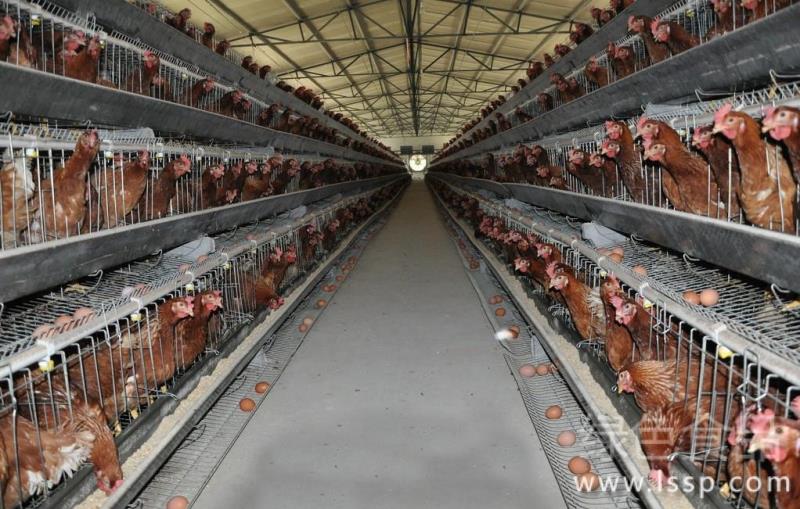
How to Reduce the Egg Breakage Rate and Cut Losses in Laying Hen Profits
Egg breakage affects laying hen profits; how to reduce the egg breakage rate
-
What to do about cotton bud and boll shedding? Scientific fertilization can reduce it
The incoordination between the vegetative growth (growth of roots, stems and leaves) and reproductive growth (growth of buds, bolls and lint) of cotton causes an imbalance in the supply, transport and distribution of photosynthetic products within the cotton plant, which is an important cause of cotton bud and boll shedding. Through comprehensive measures centered on fertilization, controlling cotton growth is an important means of reducing cotton bud and boll shedding. Practice has proved that controlling stem and leaf growth in the early stage of cotton, building a good high-yield framework in the middle stage so that it grows steadily, and preventing premature senescence in the late stage are effective ways to reduce shedding of middle and lower buds and bolls. Therefore, in addition to rational close planting and strengthened water
-
How to reduce injuries and deaths of induced-spawning broodstock? Analysis of key techniques
The main factors causing injuries and deaths of induced-spawning broodstock: First, broodstock consume a great deal of physical energy during the spawning and reproduction process, and coupled with the side effects of spawning-inducing drugs, the body's resistance of the broodstock declines; if the fish body is injured and pathogens invade, disease is easily triggered. Second, poor physique of the broodstock, or a large fluctuation in water temperature during induced spawning, or improper dosage of spawning-inducing drugs, etc., can prevent the broodstock from spawning normally, and this in turn causes a disorder of their own physiological activities and leads to death. Therefore, in production, we must not only effectively carry out the pre-spawning rearing of broodstock so that the gonads of the broodstock develop normally and mature and the fish have a robust physique, but also pay attention to induced-spawning operations and post-spawning care.
-
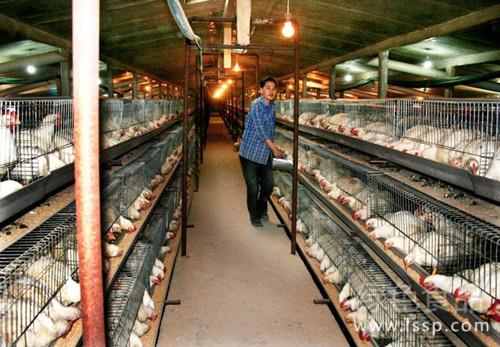
How to prevent and control broken eggs in caged broiler breeders? Reduce hatching egg breakage and protect poultry farming profits
Hatching egg breakage affects poultry farming profits: how to prevent and control broken eggs in caged broiler breeders
-
How to reduce cotton square and boll shedding? Proper management is key
There are three main causes of cotton square and boll shedding: First, physiological shedding, which is also the main cause of shedding. Due to the interaction between meteorological conditions and nutritional conditions, the metabolism within the cotton plant is disrupted, nutrition is insufficient, and physiological shedding of squares and bolls occurs. Second, unfavorable meteorological conditions aggravate disease and pest damage. Pests such as cotton aphids and red spider mites bite and feed on leaves, reducing the photosynthetic capacity of the leaves, causing nutritional deficiency in squares and bolls and increasing shedding. Excessive spraying, overly high pesticide concentration, and too-short spraying intervals and other pesticide damage will also increase
条件筛选