How to Reduce the Egg Breakage Rate and Cut Losses in Laying Hen Profits
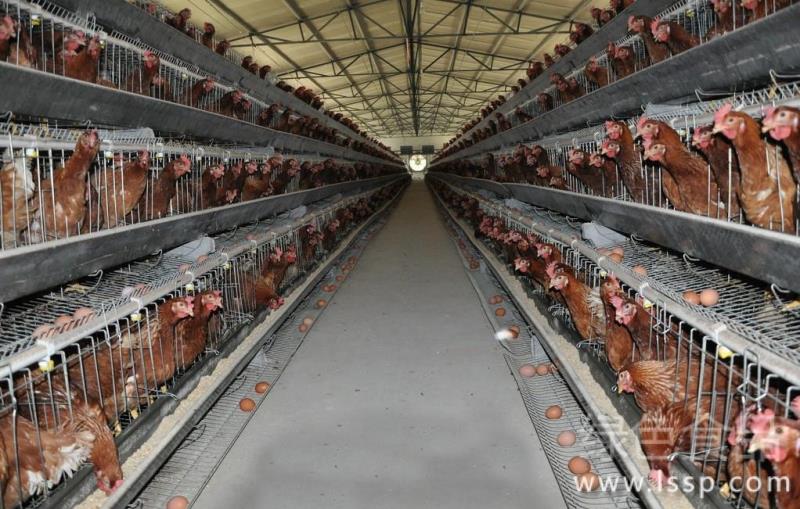
Laying hens
1. Increase the calcium content in the feed
As the laying rate of the flock increases, the demand for calcium rises markedly, and the calcium content in the feed must be increased accordingly.
(1) According to research, feeding laying hens limestone with a diameter of 1.4-5.6 mm and a solubility of 11-14% can significantly improve eggshell quality. However, when choosing limestone as a calcium source, pay attention to its magnesium and fluorine content; excessive magnesium tends to produce soft-shelled eggs, while excessive fluorine can make eggshells easily broken and paler in color.
(2) A hen's yolk normally enters the uterus in the afternoon. If calcium supply is insufficient from the afternoon to dusk, eggshell calcification will be affected, so the afternoon is the best time for calcium supplementation.
(3) Ensure the protein content in the feed, because the amino acids produced when protein is hydrolyzed react with calcium to form soluble calcium salts, enhancing the laying hens' absorption of calcium.
(4) Maintain a suitable calcium-to-phosphorus ratio. Although the phosphorus content in the eggshell is relatively low, it determines the elasticity and toughness of the eggshell. If the calcium-to-phosphorus ratio is unbalanced, it will affect the chicken's full absorption and utilization of calcium and phosphorus.
2. Scientific management
(1) Appropriately increase the number of egg collections. Collecting eggs at least 2 times in the morning and at least 1 time in the afternoon can effectively reduce the number of broken eggs.
(2) In daily management, keep the caretakers, work procedures, and feed fixed, and minimize flock panic caused by sudden noise, so as to avoid hens laying soft-shelled eggs, sand-shelled eggs, etc. During the laying period, also try to avoid or reduce the number of vaccinations, and avoid stress in the flock caused by fright.
(3) In daily management, supply laying hens with sufficient clean drinking water, and never cut off the water supply.
Eggs
3. Appropriately adjust laying hen feed in summer
(1) Summer temperatures are high and laying hens eat less, so the concentration of protein, minerals, and vitamins in the daily ration should be appropriately increased to ensure the chickens take in enough nutrients.
(2) Under stress conditions such as high temperature and high humidity, adding an appropriate amount of vitamin C can increase eggshell strength, improve eggshell composition, and reduce the breakage rate.
(3) In the high-temperature summer season, adding a certain proportion of sodium bicarbonate to the laying hen ration can both increase the laying rate and greatly reduce the egg breakage rate.