-

A detailed explanation of the differences between runner beans and red beans, teaching you to quickly tell the two beans apart
Runner beans are a legume plant with diverse colors, similar in appearance to red beans, and many people think they are the same, but they are not, so what are the differences between runner beans and red beans? 1. What are the differences between runner beans and red beans? Runner beans are plants of the genus Phaseolus in the legume family, and the seeds are shaped like human
-
What is the difference between red beans and love beans? A detailed explanation of love bean toxicity and red bean types
"Red beans grow in the south land, how many branches sprout when spring comes. I hope you gather them often, for this thing best represents longing." This poem is one we are all very familiar with, and its meaning is beautiful. Many people think the love bean in it is the red bean we commonly eat, but actually it is not! So what is the difference between red beans and love beans?
-
Where is the best place to grow red adzuki beans? Recommended high-quality varieties from each producing region
Red adzuki bean, also called rice bean, is the mature seed of the adzuki bean, an annual semi-twining herbaceous plant of the Fabaceae family, and is cultivated throughout the country. It is understood that red adzuki bean has very high nutritional value, especially its protein content; at the same time, red adzuki bean has a relatively high dietary fiber content,
-
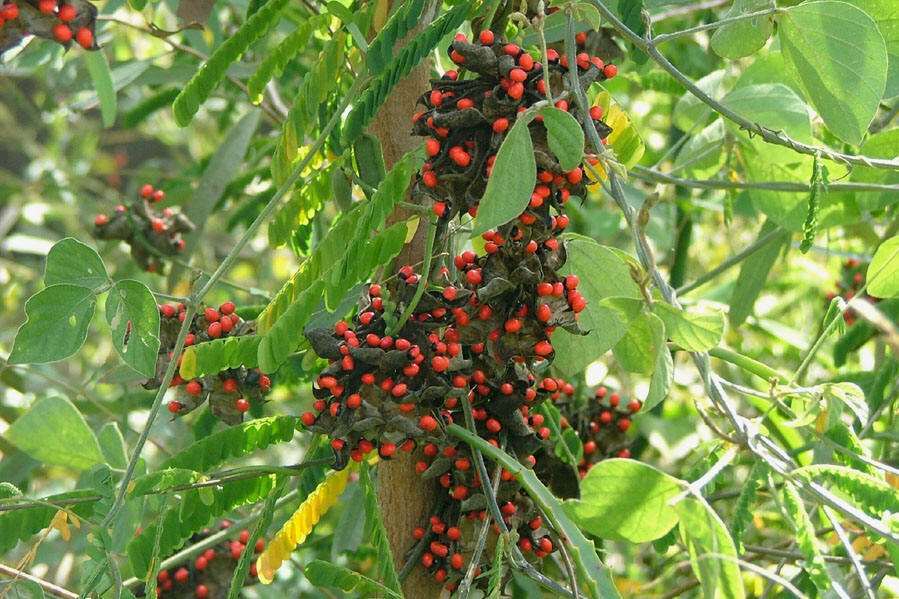
Often mistaken for red beans, one of the world's five most toxic plants: eating half a seed causes poisoning, do not pick it
Everyone has heard the famous poem "Yearning" by the Tang dynasty poet Wang Wei: "Red beans grow in the southland, how many branches spring forth when spring arrives. I wish you would gather more of them, for this thing best represents yearning." This poem gave red beans a special meaning, representing love, representing mutual...
-
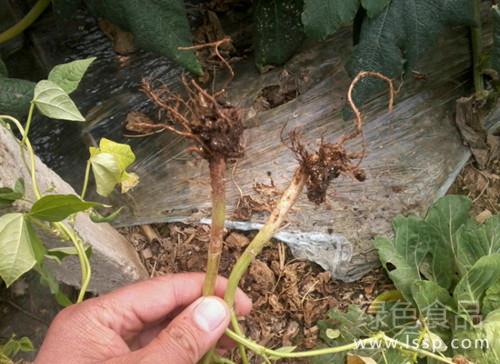
How to prevent and control red root in kidney beans? Solutions for roots that turn red, shrivel, and produce no new roots
Prevention and control methods for red root in kidney beans, where roots turn red or shrivel and produce no new roots
-
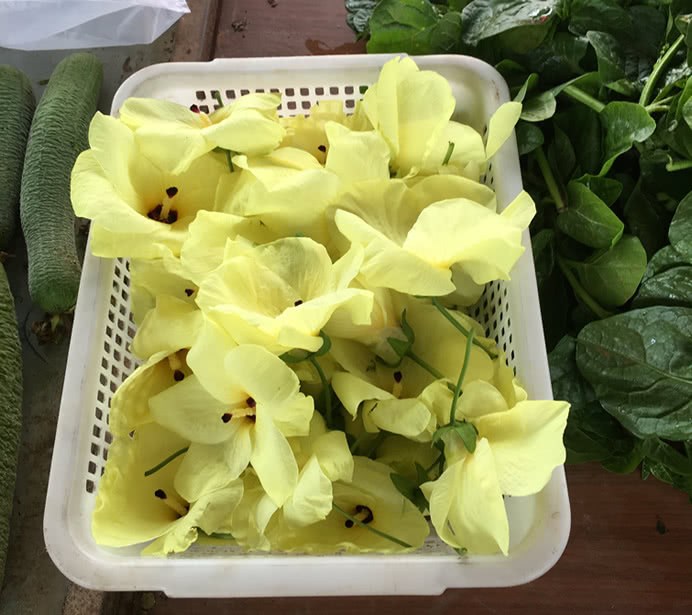
Edible flowers go unnoticed at the vegetable market, with nutrition a hundred times that of soybeans; buy twenty blooms and take them home
While shopping for vegetables at the market, I came across a stall selling flowers, but these flowers were not for us to admire - they were for eating. The owner told me these flowers cost 2 yuan each and are called tengteng flowers, and they are quite a treasure; take them home to make soup, and the taste...
-
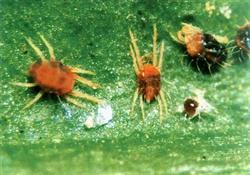
How to control red spider mites on mung beans? These methods you need to know
How to control red spider mites when growing mung beans? Please introduce the methods. Both the adults and nymphs of the mung bean red spider mite can harm mung beans. They spin silk webs on the underside of mung bean leaves and suck leaf sap with their piercing-sucking mouthparts. The damaged bean leaves first show yellow-white spots, and later, as the red spider mites increase, the webs take on a slightly reddish patch with large numbers of red spider mites...
-
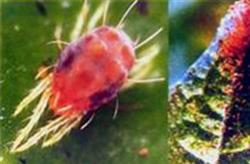
What are the methods for controlling red spider mite pests on mung beans?
How do you protect mung beans from the red spider mite pest? Please advise focusing on chemical control. Strengthen field inspections; when localized patchy outbreaks are found, spray promptly for control. Use 50% malathion emulsifiable concentrate at 1000 times dilution, or 50% naled at 2000 times dilution, or 25% deltamethrin at 5000 times dilution. Spray once every 7 days, for 2 to 3 consecutive applications....
-
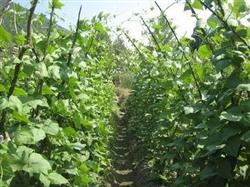
How to solve red root in kidney beans? Detailed explanation of prevention and control methods
The kidney bean originated in Mexico and the Americas and began spreading around the world from the 17th century. It is also known as the multiflora bean and the large-flowered kidney bean. It has a long history of cultivation, and because of large export volumes, its area has expanded year by year. It is rich in nutrients and high in protein; it is both a vegetable and a food grain, and can also be used for pastries and bean paste, making it an export earner...
-
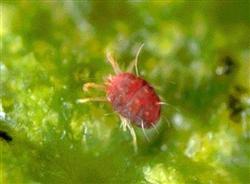
How to Control Red Spider Mite Infestations on Mung Beans
Chemical control is the main approach. Strengthen field inspections; once localized, patchy occurrences are found, spray promptly for control. Use a 1000-fold dilution of 50% malathion emulsifiable concentrate, or a 2000-fold dilution of 50% naled, or a 5000-fold dilution of 25% deltamethrin. Spray once every 7 days, for 2 to 3 consecutive applications.
条件筛选