-
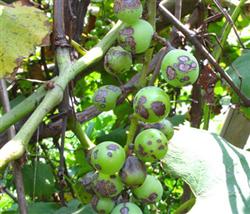
What are the control methods for grape black pox?
1. Eliminate the source of the pathogen. After the grapes drop their leaves in autumn, remove the fallen leaves and diseased clusters and bury them deep in a centralized pit. The old bark scraped off must be burned immediately. When the grape buds begin to swell in spring, spray with 3-5 degrees Baumé lime sulfur plus 0.3% sodium pentachlorophenate. 2. Strengthen cultivation management. In combination with summer pruning, carefully prune out diseased branches, diseased leaves and diseased fruit to reduce...
-
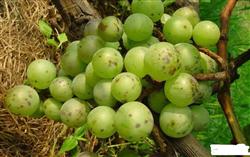
Detailed Explanation of the Occurrence Characteristics of Grape Black Pox (Elsinoë ampelina)
The pathogen mainly overwinters as sclerotia on the lesions of new shoots and tendrils. In the following spring, when the temperature rises above 2°C and high humidity persists for more than 24 hours, a large number of conidia are produced from the sclerotia and spread by rain to the young green parts of the grapevine. In water, the conidia produce germ tubes, quickly attach to the substrate, and after germination cause primary infection. This...
-
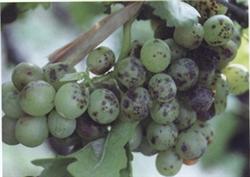
What are the symptoms of grape black spot disease?
It is a fungal disease that mainly affects the green, tender parts of grapes, such as young fruit, leaves, petioles, fruit stalks, and young shoots. Black spot disease can occur from bud break to the late growth stage, and causes severe damage in spring and summer. When young fruit is infected, dark brown halos first appear, resembling a "bird's eye" pattern, and the lesions often merge into large patches. Later, the lesions harden or crack,...
-
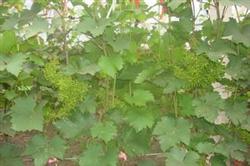
Detailed management measures for the three main periods of grapes
The main flowering-period diseases of grapes such as Summer Black and Red Globe are gray mold and rachis blight, both of which are fungal diseases. Gray mold, also known as bunch rot, has occurred rather severely in recent years; in heavily affected orchards it can destroy more than 70% of flower clusters, mainly harming the corolla, pedicels, rachis and newly set young...
-
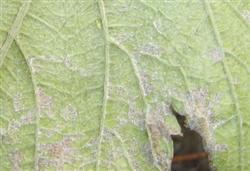
Control Methods and Technical Key Points for Grape Downy Mildew
Control methods: 1. Remove fallen leaves and diseased branches, bury them deep or burn them. 2. Timely pinch off growing tips, prune, drain and weed, and apply more phosphorus and potassium fertilizer. 3. At the early stage of the disease, that is, after July, apply chemicals as soon as slight lesions are seen on the underside of leaves. The chemicals include: Pubo, Ridomil, Sandofan, metalaxyl, Shuangmeiyitejing, etc., used alternately, spraying 4 to 5 times in a row...
-
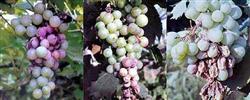
How to treat grape water rot? Detailed control methods
Based on your description, it is likely grape white rot, one of the most important grape diseases, especially in rainy years when it often occurs together with anthracnose, causing great damage. Grape white rot can harm clusters, canes and leaves. After the cluster and rachis are infected, they become light brown and water-soaked rot, and the whole cluster or part of the small clusters...
-
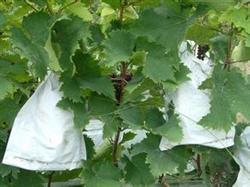
A detailed guide to grape bagging techniques, master all the key methods
In order to enhance the market competitiveness of grapes, the promotion and application of bagging technology on grapes has become a consensus among growers, but how can the benefits of bagging be maximized? Pre-bagging preparation: 1 week before flowering, trim the flower clusters. For large clusters, remove the secondary clusters and 1 to 8 branch axes at the base of the main axis; for small clusters, remove few or none. Pinch...
-
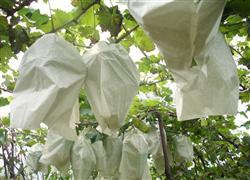
What is the most effective spray for grape clusters before bagging?
Preparations before bagging: trim the flower clusters one week before flowering. For large clusters, remove the secondary clusters and 1-8 lateral branches at the base of the main axis; for small clusters, do not remove or remove only a few. During the flowering period, pinch off about 1/4 of the tip of the cluster. Thin the berries two weeks after fruit set; begin immediately once the fruit is stable and finish before the rainy season. For the bagging method, first open the paper bag with your hands...
-
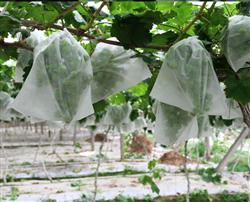
How is bagging grapes done best? A detailed explanation of the correct method
To enhance the market competitiveness of grapes, applying bagging technology to grapes has become a consensus among growers, but how can the benefits of bagging be maximized? Pre-bagging preparation: renovate the flower clusters 1 week before flowering. For large flower clusters, remove the secondary clusters and 1 to 8 lateral branches at the base of the main axis; for small flower clusters, remove few or none. Pinch off about 1/4 of the cluster tip before flowering. Thin the berries 2 weeks after fruit set, starting immediately once the fruit has set steadily and finishing before the rainy season arrives.
-
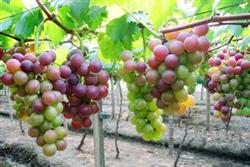
How to prevent small berries from appearing on grapes
Small grapes are formed due to seed abortion. According to observations, mature small berries have the same number of seeds as large berries, but the seeds of small berries are all at an immature stage, small and without kernels. If a berry contains 1 mature seed, the berry can be slightly larger; if it contains 2 mature seeds, the berry can grow to a medium size; if it contains...
条件筛选