-
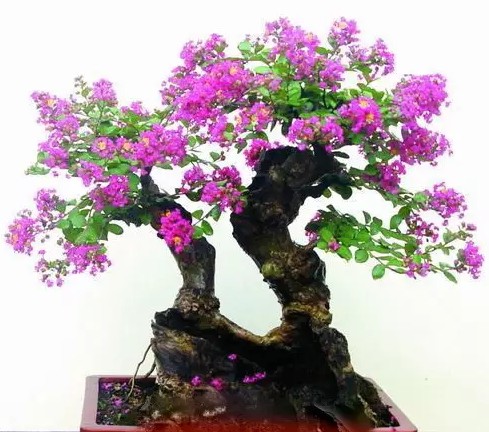
Detailed Explanation of Key Techniques for Propagating Crape Myrtle Bonsai by Cuttings
The crape myrtle (Lagerstroemia indica) has a graceful tree form, curving branches and trunks, and brilliant flower colors. It belongs to the Lythraceae family and is a deciduous small tree. The crape myrtle blooms for a hundred days in red, and a gentle touch on its branches and trunk makes the whole tree move. Therefore, the crape myrtle is also called the hundred-day red and the ticklish tree. When planting crape myrtle, a wind-sheltered, sunny spot with deep, fertile soil and good drainage should be chosen. When transplanting large seedlings, a soil ball must be kept.
-
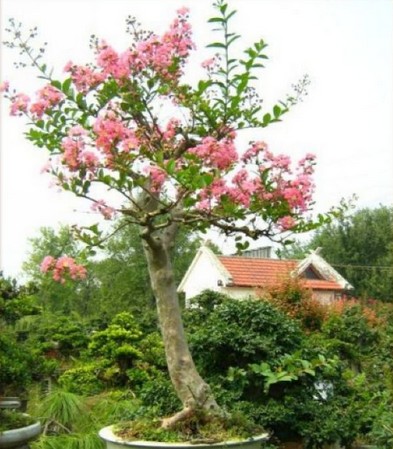
What are the watering methods for crape myrtle bonsai?
Crape myrtle bonsai loves light, and it is generally placed in a sunny, well-ventilated spot to grow. But crape myrtle also likes moisture and fears waterlogging, so watering should be done in moderation. Too much watering causes water accumulation, which will make the crape myrtle rot at the roots and die. But if water is not replenished in time, it will also pause growth or die from lack of water.
-
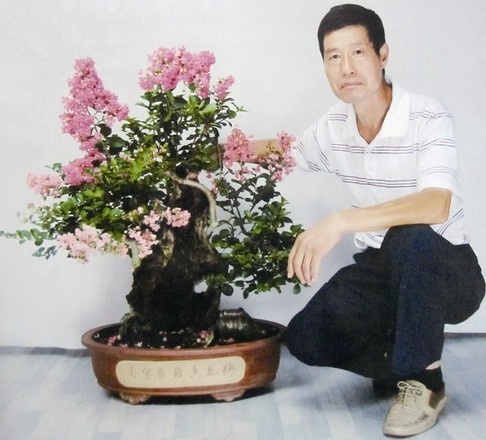
How to fertilize a crape myrtle bonsai? These tips you need to master
After autumn, the crape myrtle should be given a somewhat stronger organic fertilizer as a base fertilizer, but in general, crape myrtle trunks should not be given heavy fertilizer, to prevent the branches from growing excessively. When fertilizing crape myrtle, attention should be paid to the combined application of nitrogen and phosphorus fertilizers. During the growing season, apply a decomposed fertilizer once every half month. After each pruning, apply a nitrogen-based fertilizer.
-
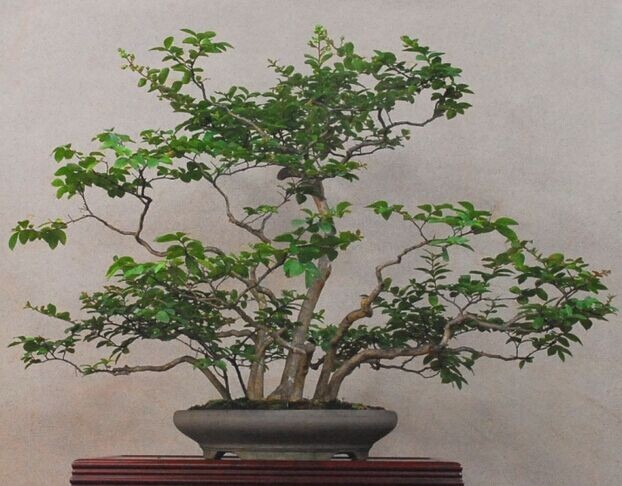
Detailed Explanation of Pruning and Shaping Methods for Crape Myrtle Bonsai
Crape myrtle (Lagerstroemia indica) is tolerant of pruning, has strong branching ability, and produces a large amount of new shoot growth. Therefore, after flowering, the spent flowers should be cut off, which can extend the flowering period. Sucker branches, overlapping branches, crossing branches, radiating branches, and diseased branches should be removed at any time to avoid consuming nutrients. Pruning and shaping: 1. General pruning and shaping of crape myrtle bonsai
-
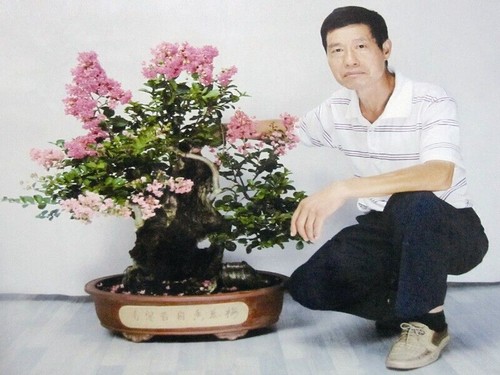
Detailed Explanation of Crape Myrtle Bonsai Propagation Methods and Techniques
Every flower blooms in its own beauty, each leading its own charm. Take the crape myrtle (Lagerstroemia indica), for instance: it avoids the spring when a hundred flowers contend in beauty, and chooses to bloom at the turn of summer and autumn. Its tree form is elegant, its branches and trunk are twisted and bent, and its flower colors are gorgeous, making it well worth admiring. There are many kinds of crape myrtle, with varied postures. Because it is easy to manage and its branches are soft
-
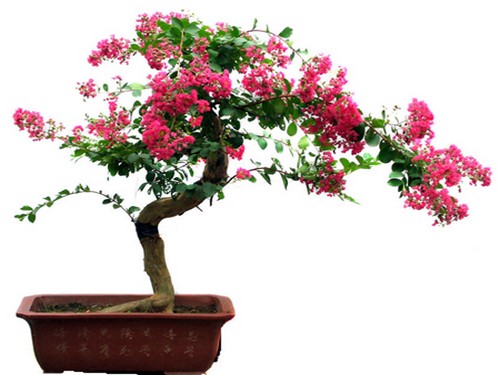
What are the propagation methods for crape myrtle bonsai? This article will teach you
The crape myrtle (Lagerstroemia indica) has a graceful tree form, smooth trunks, brilliant flowers and an exceptionally long blooming period; its flowering can span summer into autumn for more than a hundred days. It is an excellent ornamental, suitable both for beautifying courtyards, parks and green spaces, and for growing in pots for display. Crape myrtle likes sunlight, tolerates slight shade, is drought-tolerant but dislikes waterlogging, tolerates pruning well, and has strong suckering ability. It also grows well on calcareous soil
-
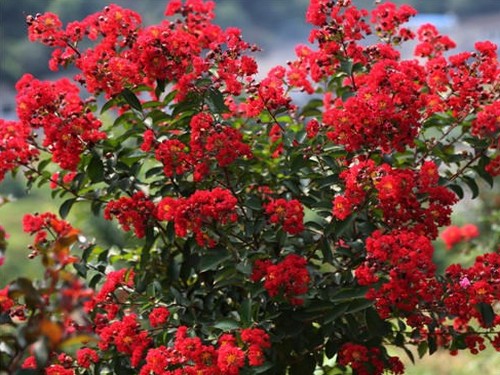
How to prune a Red Rocket crape myrtle bonsai? A detailed guide to practical techniques
The quality of flower cultivation and planting directly determines its later growth and indirectly affects its market recognition and selling price, so we need to have a comprehensive understanding of flower planting in order to take flower cultivation to an even higher level. This is just like the cultivation of Red Rocket crape myrtle
-

Detailed Explanation of the Key Points of Grape Bonsai Shaping Techniques
The purpose of shaping and pruning grapes is to regulate the contradiction between growth and fruiting, to rationally arrange the vines on the trellis, to make management convenient, to keep the tree vigorous, to extend its lifespan, and to create favorable conditions for consecutive years of high yield. Grape bonsai shaping often adopts different forms depending on the different planting methods.
-
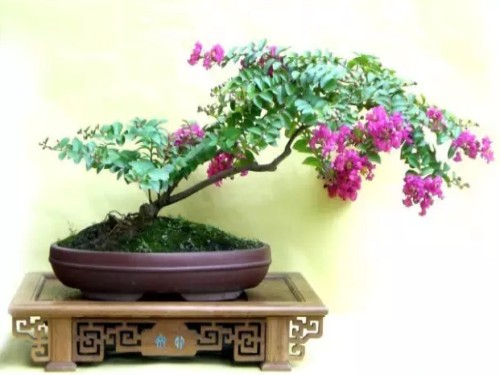
How to prune a crape myrtle bonsai? Detailed methods and techniques
Crape myrtle is a very interesting flowering tree, and it has a special trait: crape myrtle blooms for a hundred days of red, and a gentle stroke of the branches makes the whole tree move. That is why crape myrtle is also called the ticklish tree. The crape myrtle has a graceful tree form, curved branches and trunk, bright flower colors, and it blooms in the summer and autumn when few flowers are in bloom, making it an important flowering tree species for summer and autumn in gardens.
-
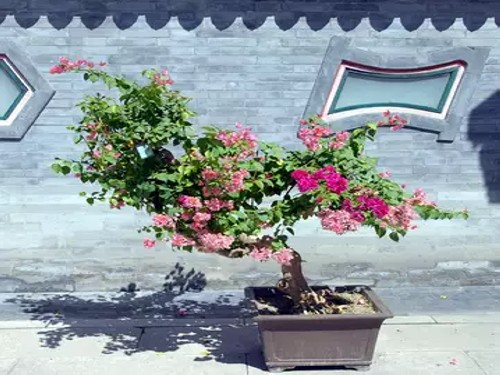
How to shape a crape myrtle bonsai? These methods you need to master
The crape myrtle (Lagerstroemia indica) has been an excellent bonsai tree material from ancient times to the present, and is one of the "Eighteen Scholars" of stump bonsai; it is widely used in the Hui and Chuan schools among the traditional eight major stump bonsai schools. The crape myrtle has the characteristic of exposed roots, and the older the tree, the more twisted and strange its roots become, giving it a vigorous, quaint, elegant and eye-catching effect
条件筛选