Detailed Explanation of the Occurrence Characteristics of Grape Black Pox (Elsinoë ampelina)
The pathogen mainly overwinters as sclerotia on the lesions of new shoots and tendrils. In the following spring, when the temperature rises above 2°C and high humidity persists for more than 24 hours, a large number of conidia are produced from the sclerotia and spread by rain to the young green parts of the grapevine. In water, the conidia produce germ tubes, quickly attach to the substrate, and after germination cause primary infection. This...
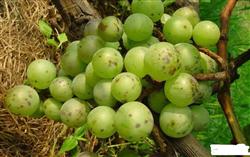
The pathogen mainly overwinters as sclerotia on the lesions of new shoots and tendrils. In the following spring, when the temperature rises above 2°C and high humidity persists for more than 24 hours, a large number of conidia are produced from the sclerotia and spread by rain to the young green parts of the grapevine. In water, the conidia produce germ tubes, quickly attach to the substrate, and after germination cause primary infection. The disease causes severe damage in areas with abundant rain and high humidity. Orchards that are low-lying, poorly drained, lacking ventilation and light, or that receive excessive nitrogen fertilizer leading to excessive vegetative growth or delayed ripening are prone to the disease; the young tender tissues of grapevines, such as young leaves, berry clusters, or new shoots, are susceptible during the early tender stage of growth.