-
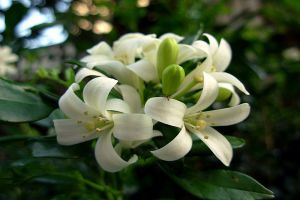
How to grow Orange Jessamine? A full breakdown of cultivation methods and precautions
Specifically, there are five key points in total. The first is soil quality: it needs to be nutrient-rich and loose, preferably sandy soil. The second is water: the general principle is "dry-wet cycle" (water when dry, let it dry out between waterings). Next is light: it needs a great deal of light, and you must ensure five to six hours of sunlight a day. After that comes temperature: the most suitable range is 20 to 32 degrees. In winter, it must not go below five degrees at the lowest. Finally, there is pruning: in spring, cut away the very dense and leggy branches.
-
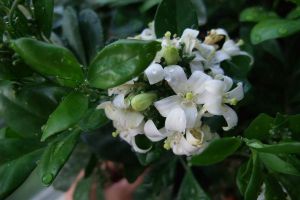
What causes orange jasmine (Murraya paniculata) to drop its leaves
When this happens, there are roughly four possible causes. The first is light: if the light is too weak, this phenomenon is easily triggered. The second is temperature, mainly in winter; if the temperature is too low, the plant easily suffers cold damage, and then drops its leaves. The third is caused by waterlogging. It is not tolerant of waterlogging, and in standing water its roots easily rot, which can also lead to leaf drop. However, it may also be a normal phenomenon, the plant's own metabolism.
-
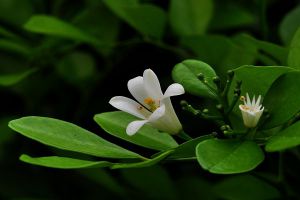
Reasons Why Orange Jessamine Does Not Bloom and Solutions
It is very frustrating when it refuses to bloom. There are many reasons for this phenomenon. The most likely one is a light problem. If it is kept in a spot without sun for a long time, it may fail to bloom, or produce very few flowers. Then there is temperature: if it is too low, it can also easily lead to no flowers. Next, the management of water and fertilizer is also very important; too much or too little may hinder blooming. Finally, pests and diseases can also be an obstacle.
-
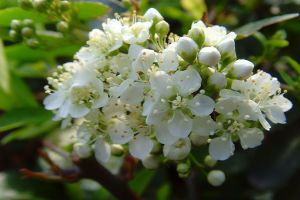
What to do when Murraya paniculata (orange jasmine) has root rot? Teach you the correct way to handle it
After a plant develops root rot, it triggers a series of problems, so it must be prevented and treated promptly. First, take the plant out of the pot, trim off the rotten roots and disinfect the root area. Then, replant it and cover the roots with a layer of fine river sand. After that, place it in a shady spot. Care in the later stage is also important, and water is the most important part. Strictly control watering at the roots, but you can spray some water on the surface of the leaves. After one week, also move it to a bright spot for about one hour every day. After thirty to forty days, it will be able to recover.
-

-
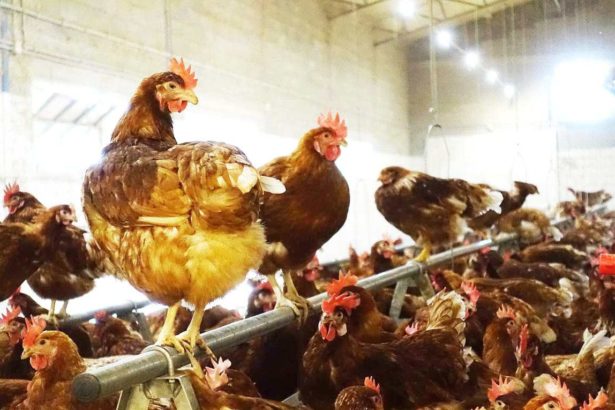
Italian organic free-range eggs successfully exported, balancing revenue, food safety and animal welfare
Italian organic free-range eggs have passed the market test and can even be exported, balancing revenue, food safety and animal welfare
-
-
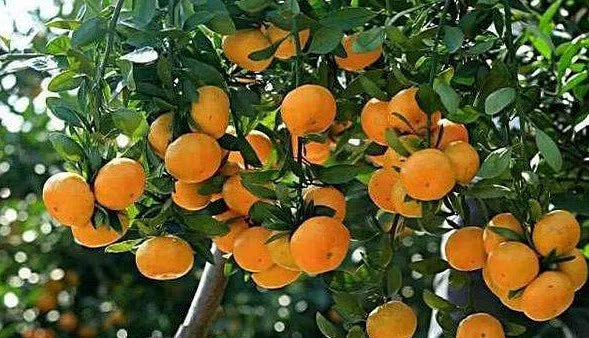
How to prevent and control citrus bacterial wilt? Technical countermeasures for the mandarin orange area of Xinkou Town
Citrus bacterial wilt is highly destructive; once the disease occurs, it can cause citrus plants to die rapidly. The following article uses the mandarin orange area of Xinkou Town as a practical case study to explain the occurrence and prevention and control techniques of citrus bacterial wilt. 1 Development of the citrus industry in the mandarin orange area of Xinkou Town...
-
-
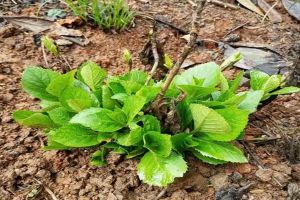
Hydrangea cutting propagation method: cut one branch and grow ten pots, raise them indoors without spending a penny
The ethereal hydrangea is truly a delight to the eyes, and not only is it beautiful, it is also very easy to grow! Today Huahua will teach everyone!
条件筛选