-
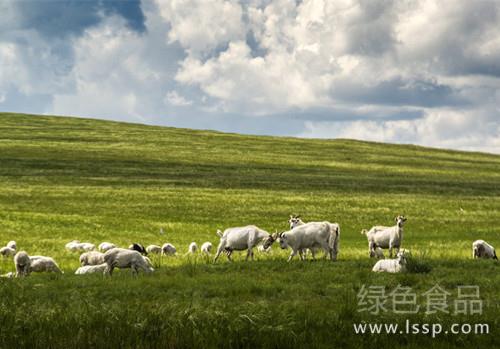
Raising sheep in summer: be mindful of three taboos and three reinforcements; high temperatures make bacteria multiply quickly
Summer temperatures are high and bacteria multiply quickly; when raising sheep, be mindful of three taboos and three reinforcements
-
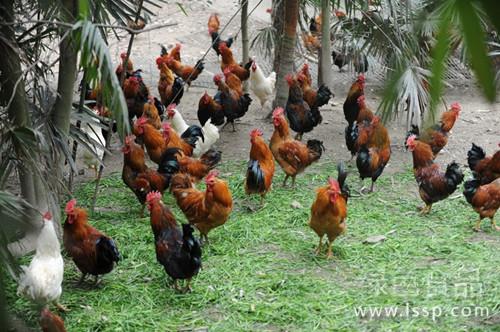
At the start of Beginning of Summer, temperatures rise and pathogens multiply quickly: points to note when raising chickens
Temperatures rise and pathogens multiply quickly: points to note when raising chickens at the start of Beginning of Summer
-
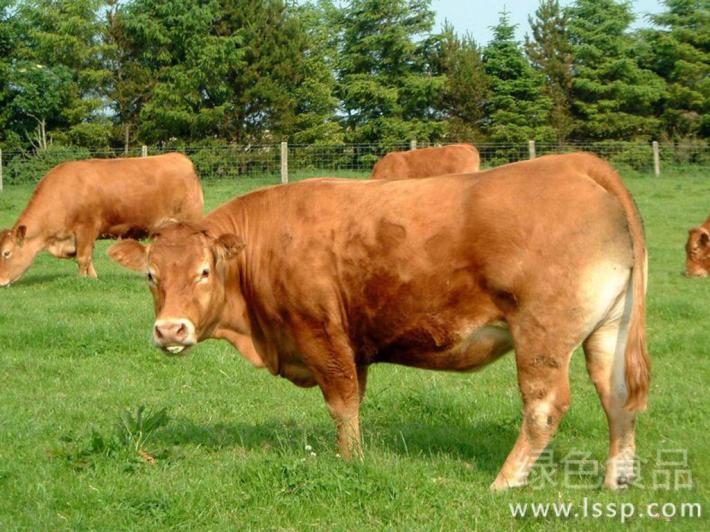
How should beef cattle be managed during fattening to gain weight quickly and produce good quality?
To make beef cattle gain weight quickly and produce good quality, how should fattening beef cattle be managed well?
-

What medicine makes a pig with diarrhea recover quickly?
What medicine works fast when a pig has diarrhea?
-

Do cockroaches reproduce quickly? Understanding the reproductive characteristics of cockroaches
Do cockroaches reproduce quickly?
-

-
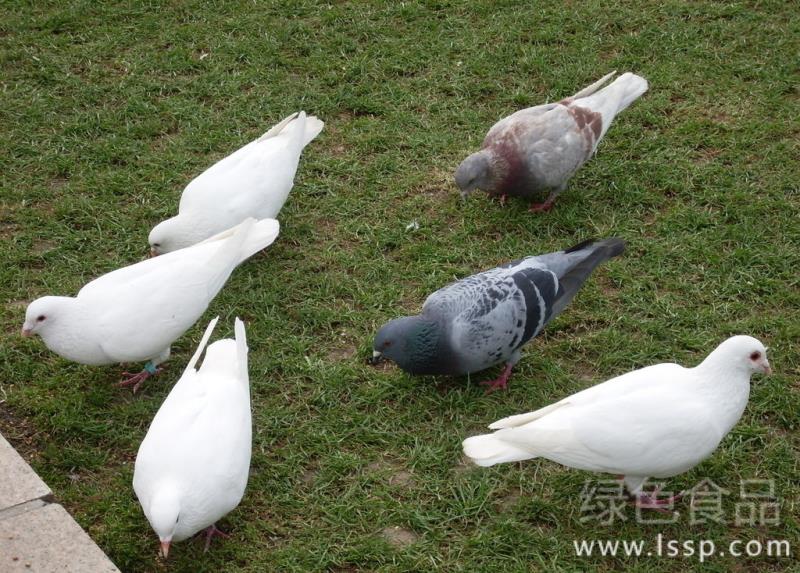
Squabs not fattened have low grade price differences; how to fatten them quickly and rationally?
Squabs not fattened, low grade price differences, how to fatten squabs quickly and rationally
-

How to quickly remove odor from pig pens? Introduction to practical methods
Methods to quickly remove odor from pig pens
-

What do pigs eat to fatten quickly? Adding seasonings to pig feed works well
Pigs have a well-developed sense of taste, with as many as 15,000 taste cells in the oral cavity. Adding seasonings (flavoring agents) to feed can promote the secretion of the salivary glands, gastric glands and pancreas, increase feed intake, and promote growth and development. At present, the following seasonings are used more often: Sweet seasonings. Adding 0.05 g of saccharin per kg of finishing pig diet can increase the average daily gain of pigs by 6.4% and reduce feed consumption by about 5%. Adding 60 ppm of saccharin to the diet of lactating sows can prevent anorexia and excessive
-
Ten observation points for sick pigs, so pig farmers can quickly identify swine diseases
At present, for rural farmers raising pigs, in terms of feeding and management, some people pour feed into the pig trough and turn around and leave, rarely paying attention to observing the pigs' growth and development or whether they show signs of illness. As a result, they do not know when a pig gets sick, and by the time the pig is down in the pen, it is too late and difficult to treat. To prevent disease before it occurs and treat it early when it does, symptoms must be discovered in time. Observation can be made from the following ten aspects. 1. Look at demeanor. Healthy pigs are spirited, with tails raised and swinging freely, while sick pigs are listless, slow to move, prefer lying still, and have drooping tails.
条件筛选