Raising sheep in summer: be mindful of three taboos and three reinforcements; high temperatures make bacteria multiply quickly
Summer is the peak season for forage production and also the peak season for goat growth and reproduction, but summer has high temperatures, high humidity, many mosquitoes and insects, and fast reproduction of viruses and bacteria. If management is neglected, it can easily lead to goat diseases and even death, severely restricting the development of goats.
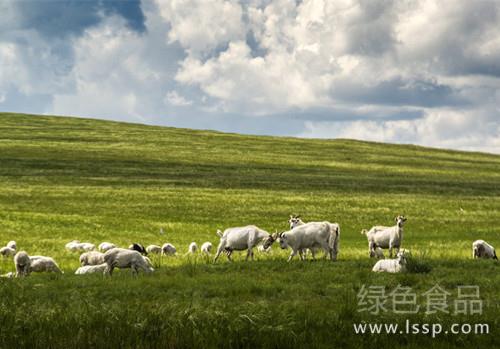
Sheep
Three taboos
“First taboo”: grazing at noon, to prevent sheep from suffering heatstroke. Grazing time should be chosen in the morning or evening; note that morning grazing should not be too early, because sheep eating dewy grass are prone to sore mouth. For grazing time, morning on the southwest and evening on the northeast, that is, in the morning graze on the southwest side of the slope and in the afternoon on the northeast side of the slope, to avoid direct sunlight and guard against heatstroke in sheep.
“Second taboo”: disinfecting and deworming with the sheep present, to prevent sheep poisoning. Since summer is the peak season for the breeding and reproduction of bacteria, viruses, and parasites, many farmers, for convenience and speed and to save time, disinfect and deworm with the sheep present; improper handling causes mild or chronic poisoning in the flock, affecting the growth and reproduction of the sheep.
“Third taboo”: dirty sheep sheds, to prevent inducing disease. In summer, sheep manure and urine ferment quickly and produce a lot of ammonia, which can easily cause conjunctival keratitis in sheep, forming cataracts and in severe cases leading to blindness, directly affecting the sheep's feed intake; it can also induce respiratory and other diseases.
Three reinforcements
One, strengthen flock management. First, supplement refined salt. In summer's high temperatures, keep the flock supplied with sufficient clean drinking water, and at the same time supplement 5-9 grams of salt per sheep to regulate the acid-base balance in the sheep's body and prevent sheep from eating salt-containing items such as plastic bags and stockings. Second, carefully supervise the flock. Carefully observe the flock's condition early in the morning, during grazing, and at night. Use “one listen and three observe”: listen for whether there is coughing in the breathing, and observe whether the sheep's mental state is normal, whether there are external parasites, and whether feed intake and manure and urine are abnormal. If there is any abnormality, seek diagnosis and treatment in time, so as to achieve early detection and early treatment. Third, graze on high ground. Avoid grazing in low-lying, damp areas; grazing should choose areas with higher terrain, facing away from the wind and toward the sun, and with vigorous forage growth.
Two, strengthen environmental sanitation. Sheep sheds and pens should be kept dry, sanitary, and ventilated. Sheep sheds and exercise yards should be cleaned once a day and disinfected once a week. Disinfectants should be used alternately.
Three, strengthen epidemic prevention and deworming. According to the region, environment, and other conditions of the sheep farm, formulate a scientific and reasonable disease immunization and parasite prevention program. According to the program, carry out immunization injections for vaccines such as sheep foot-and-mouth disease, sheep triple/quadruple vaccine, sheep pox, and contagious caprine pleuropneumonia. The interval between injections of each vaccine is 7 to 15 days, and keep records and timely re-vaccinate. If an epidemic occurs, isolate and seek diagnosis and treatment in time. Dead sheep must be subjected to harmless treatment; littering and discarding are strictly prohibited. Deworm regularly, once every quarter; ivermectin or avermectin and albendazole can be used alternately, and it can be appropriately adjusted according to the flock. If sarcoptic mange occurs in the flock, treat it in summer, choose a sunny day, use a mixed solution of acaricide and trichlorfon for medicated bathing, and inject avermectin or ivermectin. After half a month, it can be done once; 3 to 4 times can fundamentally cure sheep sarcoptic mange.