How should beef cattle be managed during fattening to gain weight quickly and produce good quality?
Before fattening beef cattle are brought into the barn, the barn must be sprayed with a 1-10% clarified bleaching powder solution, generally at a dosage of 1 liter/sq m; the most convenient method is to spread white lime powder on the ground at about 150 grams/sq m. If fattening beef cattle have undergone long-distance transport, they must be given water and feed once transport exceeds 12 hours; this shortens the cattle's adaptation period, and they can enter the fattening period within a short time. Deworming must be done before fattening.
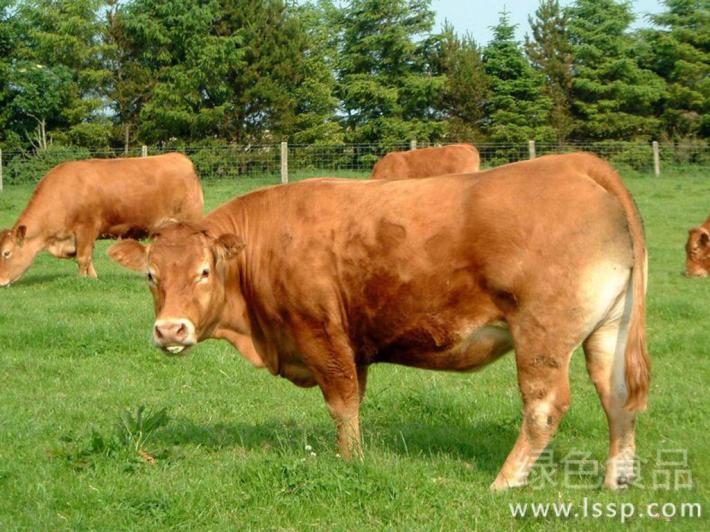
Beef cattle
As for the barn environment, attention must be paid to barn sanitation, with manure and urine cleaned up promptly. After feeding the beef cattle each day, lead them outside the barn to fully bathe in sunlight and brush them down. This promotes blood circulation in the cattle's body and increases the feed intake of the beef cattle.
Provide sufficient drinking water every day; in winter, give warm water and keep the water clean. Keep the air in the barn fresh, ensuring both warmth and ventilation in winter, so the beef cattle are less prone to illness and gain weight quickly.
Meet the beef cattle's forage supply, otherwise the cattle cannot ruminate properly, which easily causes ruminal bloating and rumen atony and affects nutrient absorption.
Fattening beef cattle should be fattened according to age; the fattening methods for calves and for feeder cattle are different. Beef cattle gain weight fastest in the first year, and the weight gain in the second year is only 70% of that in the first year. Fattening calves gives relatively high economic returns. When forage is not restricted, fattening calves is not as good as fattening two-year-old steers. When selecting breeds, choose crossbred calf offspring of Simmental and Hereford for fattening, for fast weight gain and good beef quality.