-

What herbicide can completely kill the roots of purple nutsedge?
Purple nutsedge often grows in cotton fields and soybean fields, affecting crop growth to a certain extent. Many farmers want to eradicate purple nutsedge. So what herbicide kills the roots of purple nutsedge? 1. What herbicide kills the roots of purple nutsedge. When controlling purple nutsedge weeds, you can
-
Latest Methods for Pest and Disease Control in Purple Coneflower (Echinacea purpurea) Explained in Detail
Root Rot This disease is relatively common, mainly attacking the roots, but at this stage we may not be able to detect it; symptoms only become apparent when the leaves turn yellow, so prevention of this disease is very important. This disease is mainly caused by too much moisture accumulating in the soil beside the roots. If planted indoors, be sure not to let water accumulate when watering; once even part of the water accumulates, it will cause the roots in the pot to rot.
-
How to grow Cyrtanthus? A detailed guide to the latest cultivation methods
Cyrtanthus is a perennial bulbous herbaceous plant in the Amaryllidaceae family, also known as George lily. It is widely distributed in the commonly seen middle and lower reaches of China, and the ornamental value of Cyrtanthus is very high. Therefore it is also loved by many people, so now the number of people growing Cyrtanthus is also increasing.
-

What to do when a purple-rooted lily (belladonna lily) has root rot? Learn the correct way to handle it
The purple-rooted lily is a perennial bulbous herbaceous plant. Because its bulb is purple and looks very similar to an orchid, it is called the purple-rooted lily, but it is also known as George lily; its flowering season runs from winter to the following spring, and its flowers are mostly red, very eye-catching when in bloom. Next, we will explain the causes of root rot encountered in daily cultivation and how to deal with it.
-
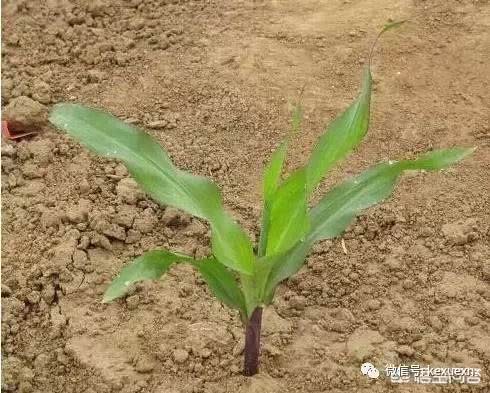
Purple-red corn seedlings are not just a matter of insufficient fertilizer; there can also be a root problem
Purple-red corn seedlings basically occur at the seedling stage, and can basically gradually disappear by the 7-8 leaf stage. Plants that usually show purple-red seedlings grow weakly and are small and weak. For this situation, Science Xingnong can sum it up as field phosphorus deficiency...
-
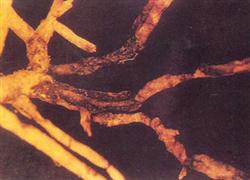
What is peony purple root rot? Introduction to peony care methods
What is peony purple root rot? What harm does purple root rot do to peonies? We ask friends to help explain the harm of peony purple root rot: commonly known as purple or black root rot, it is a common fungal disease of peonies. The incidence rate is higher in old plants and in fields with years of continuous cropping. Besides peonies, it also harms forest trees, fruit trees and...
-
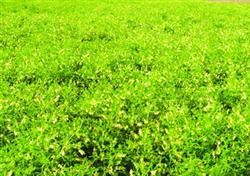
What are the control methods for purple root rot of Astragalus membranaceus?
How to control purple root rot of Astragalus membranaceus? Please explain the methods. The pathogen of purple root rot of Astragalus membranaceus is a kind of basidiomycete fungus, which mainly damages the underground roots. It first occurs on the underground fibrous roots, then spreads to the lateral roots and the main root. In the early stage of the disease, a layer of white thread-like material can be seen wrapped around the roots; as the disease develops, it turns purplish brown and...
-
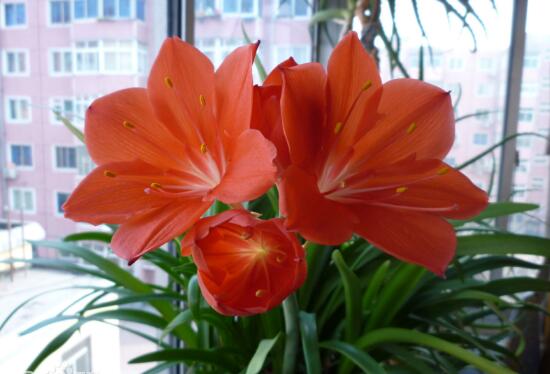
When does the purple-rooted lily bloom, and how to grow the purple-rooted lily so it flowers / blooms in February, flowers for 2 months
As a beautiful flowering plant, the beauty of the purple-rooted lily is mostly shown in its flowers, so gardeners who grow the purple-rooted lily all look forward to it blooming. So when does the purple-rooted lily bloom? Flowering is a natural process for plants, but if care is not proper, there are also cases where it does not bloom. So how should the purple-rooted lily be grown so it flowers?
-
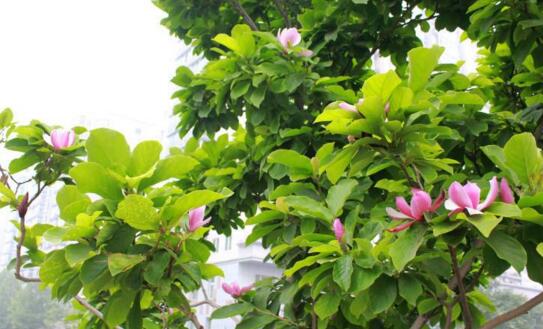
What to Do When Purple Magnolia Leaves Turn Yellow? Poor Root Growth Is the Main Cause
The purple magnolia's flowers are a light purple, elegant and refined, and its branches are emerald green and graceful, so in pictures of purple magnolia trees it always looks lush and full of vitality. But sometimes we find that the purple magnolia we grow ourselves develops yellowing, withered leaves.
-
What are the control methods for tea plant purple root rot?
Distribution and symptoms: It is found in all tea-producing areas, but occurs fairly commonly in North China and East China. This disease mainly occurs at the seedling stage and the mature plant stage, damaging the roots or the root collar. First the fibrous roots rot, turning brown or dark brown, then it spreads to the lateral roots, which after rotting turn purplish brown. The surface of the lesions is covered with purplish brown thread-like matter, and on the surface of the diseased roots there are hemispherical granular sclerotia. The base of the small stem plus cm is often surrounded by purplish red mycelium, soft in texture; it peels off easily, and the root cortex also peels off easily. In severe cases the aboveground part wilts, new shoot sprouting decreases, and the diseased plant dies. Occurrence pattern
条件筛选