Purple-red corn seedlings are not just a matter of insufficient fertilizer; there can also be a root problem
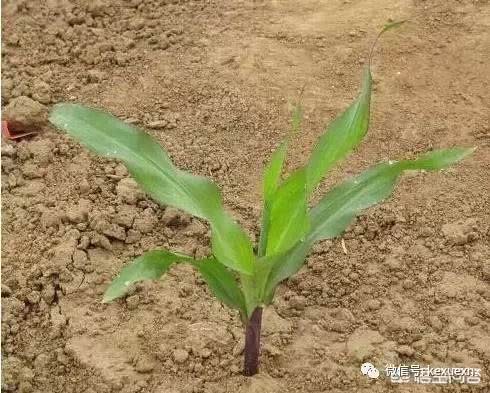
Purple-red corn seedlings basically occur at the seedling stage, and can basically gradually disappear by the 7-8 leaf stage. Plants that usually show purple-red seedlings grow weakly and are small and weak. For this situation, Science Xingnong can sum it up as field phosphorus deficiency! This is the most common situation, but there can also be some other problems, which are explained one by one below.
First, phosphorus deficiency causes an insufficient nutrient supply during the plant's growth period, blocked development, and slow growth. Phosphorus in the plant body will also gradually decrease as the plant grows, and the plant takes on a reddish color. Nowadays, when farmers in many places plant, they do not plow the field or supplement phosphate fertilizer to the field. Therefore, corn often suffers from phosphorus deficiency at the seedling stage. This is also the most common situation in agricultural production.
However, Science Xingnong wants to remind everyone that this is not the only factor. When the field is waterlogged, the transport of mineral ions in the corn plant's root system is poor, which can likewise cause the plant to take on a purple-red color.
Similar situations include root damage from insect pests, pesticide damage, continuous cropping, etc., which can also produce the above situation.
Regarding the purple-red condition of corn at the seedling stage, everyone can also see one point: among the several causes mentioned above, none are very serious problems, but the damage to the plant is relatively serious. This also shows one point: corn is indeed very fragile at the seedling stage. For corn seedling stage management, special attention should be paid to details.
Regarding the problem of purple-red color appearing in corn at the seedling stage, Science Xingnong has also put forward some views. By understanding the causes of the problem, farmers can provide targeted symptomatic treatment when problems occur. For the seedling stage, supplementing phosphate fertilizer when plowing, doing a good job of seed coating treatment, and strengthening pest and disease management at the seedling stage can avoid the above situation.