-
The Benefits and Effects of Purple Coneflower and the Best Month to Sow It
Today I'd like to give you a proper introduction to the purple coneflower, a flowering plant that really catches the eye in the garden. The purple coneflower, scientifically known as Echinacea, is a perennial herbaceous plant in the genus Echinacea of the aster family. It is native to North America and, thanks to its beauty and practical value, is widely grown around the world. The flowers of the purple coneflower are truly superb; its blooms
-

Latest Prices for Coneflower Seeds and a Detailed Guide to Growing Them
Coneflower, also known as purple coneflower, Echinacea, eastern purple coneflower and so on, is a perennial herbaceous plant of the genus Echinacea in the Asteraceae family. It gets its name because its flower head looks very much like a pine cone. Its shape is somewhat similar to that of an ordinary chrysanthemum, with relatively large flowers, brilliant colors and a beautiful appearance, giving it high ornamental
-
Latest Methods for Pest and Disease Control in Purple Coneflower (Echinacea purpurea) Explained in Detail
Root Rot This disease is relatively common, mainly attacking the roots, but at this stage we may not be able to detect it; symptoms only become apparent when the leaves turn yellow, so prevention of this disease is very important. This disease is mainly caused by too much moisture accumulating in the soil beside the roots. If planted indoors, be sure not to let water accumulate when watering; once even part of the water accumulates, it will cause the roots in the pot to rot.
-
How do you grow coneflowers at home? This little method works well
Coneflower, also known as purple coneflower (Echinacea), is a herbaceous plant mainly native to North America. It is also grown in various regions of China. It can be used both as medicine and for ornamental flowers, so many people are optimistic about this market and are planting coneflowers one after another. So in which month should coneflower seeds be sown?
-
How to plant coneflower seeds? Mastering the sowing method is key
Although it is named "pinecone," the coneflower is actually a kind of daisy, not an edible nut or fruit! Coneflowers are exceptionally hardy, and their flowers are small and delicate with rich, varied colors, making them a common ornamental flowering plant for green and plum-blossom environments. Many people
-
Coneflower Seed Prices and Planting Methods Explained
Coneflower, also known as purple coneflower, Echinacea, or eastern purple coneflower, is a very beautiful flower. The coneflower's blooms are quite large and their colors are very vibrant; they can not only be planted in flower beds and parks, but also grown in pots at home or in the courtyard, where they can serve to accent the
-
What are the cultivation methods and precautions for purple coneflower?
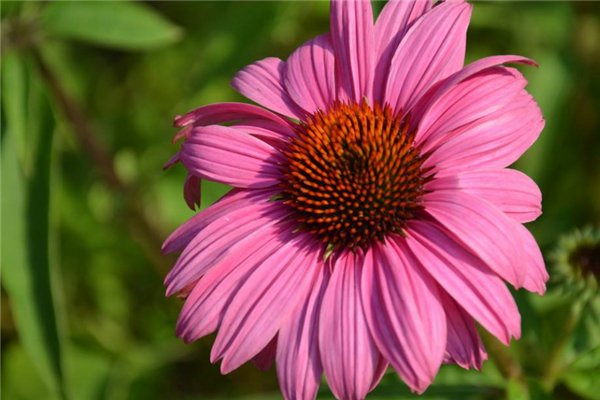
Purple coneflower is not an edible fruit, but a kind of chrysanthemum. They are very cold-hardy and can survive winter outdoors even in the north. The petals are deep pink, and the flower center is a brownish orange-yellow; the combination of the two colors has a very vintage beauty. It is neither delicate and gaudy nor plain and dull.
-
Cultivation Methods, Precautions, Propagation Methods and Uses of Purple Coneflower
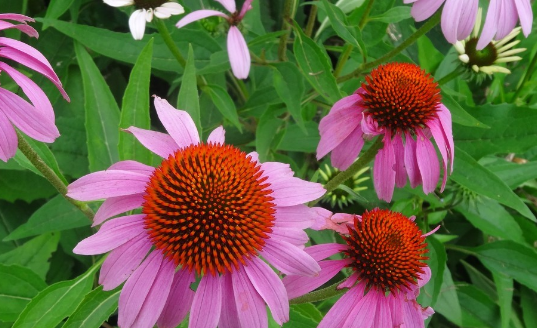
Purple coneflower is one of the indispensable flower varieties for courtyards, parks, street green spaces and street greening and beautification, as well as for holiday flower displays. So what are the cultivation methods and precautions for purple coneflower? How is it propagated? What are its uses? According to available information, purple coneflower is a long-day plant
-

Coneflower Introduction and Cultivation Tips: Easily Grow Beautiful Coneflowers
Coneflower Introduction and Cultivation Tips: How to Grow Beautiful Coneflowers
-
How to grow coneflower? Detailed explanation of cultivation and propagation methods
Coneflower is a hardy perennial flower that grows well outdoors in the north, with a flowering period from May to October. It likes warmth and sunshine. Although it is suitable for fertile soil, it is also tolerant of poor soil and partial shade, fears waterlogging and drought, and has good resistance. It grows vigorously, has extremely strong adaptability, strong resistance, a long flowering period, and high ornamental value. In winter, it is best to overwinter indoors.
条件筛选