-
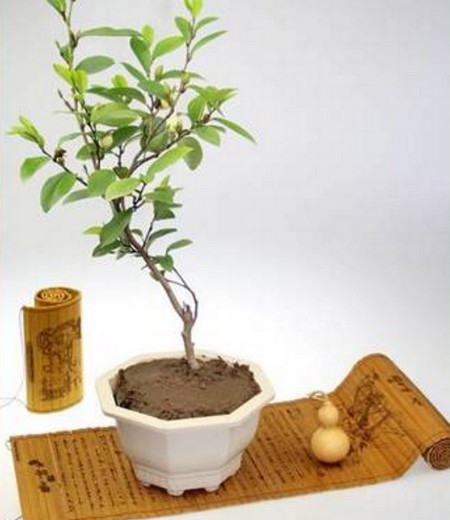
Detailed Guide to Pruning Methods for Banana Shrub (Michelia figo) Bonsai
Banana shrub (Michelia figo) prefers light shade, is not tolerant of drought or exposure to the sun, favors deep, fertile, acidic soil, can withstand cold, and is best planted in a slightly sheltered spot. The fertilizer and water management for potted banana shrub is similar to that of wintersweet (Chimonanthus praecox), except that it is more shade-tolerant than wintersweet and requires higher air humidity and soil moisture. When the temperature is high, its flowers give off a strong banana scent.
-
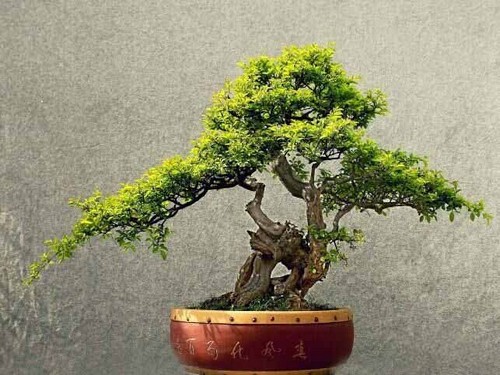
How to prune a Chinese sweet plum bonsai? Detailed pruning methods and techniques
In gardens, the Chinese sweet plum can be used as a hedge or vertical greening material, and it is also suitable for planting among rocks. This plant is extremely adaptable and not demanding about soil; it can adapt to acidic, neutral and calcareous soils, and it is drought-tolerant, tolerant of waterlogging and tolerant of poor soil.
-
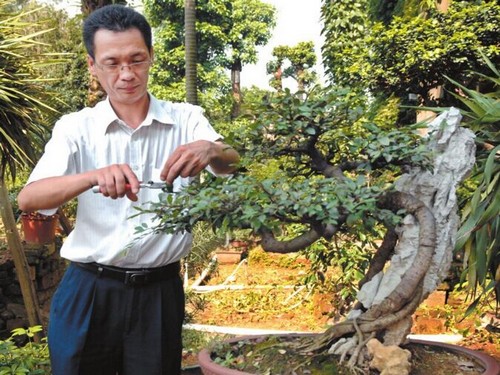
Bonsai pruning tips: learn how to prune for a great shape
Although bonsai trees have undergone intentional shaping by people, they have not lost their life and will still grow. Without pruning, they will inevitably lose their tree form and shape and thus their artistic value. Therefore, prune in a timely manner: shorten long branches and thin out dense branches, so as to maintain a graceful tree form and appropriate proportions.
-
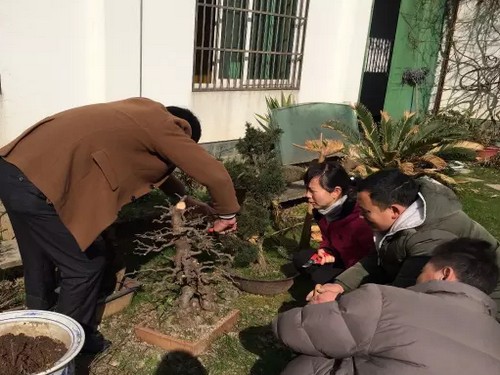
Detailed Explanation of Bonsai Pruning Techniques: Prune This Way for a More Beautiful Tree Shape
Bonsai pruning is synonymous with the means of shaping potted trees. Although there are also techniques such as wiring, pulling and hanging, guying, carving, and grafting, they are often conventionally grouped under pruning. As the main means of bonsai styling, it not only incorporates related techniques but also embodies styling concepts and compositional creativity within the "cut."
-
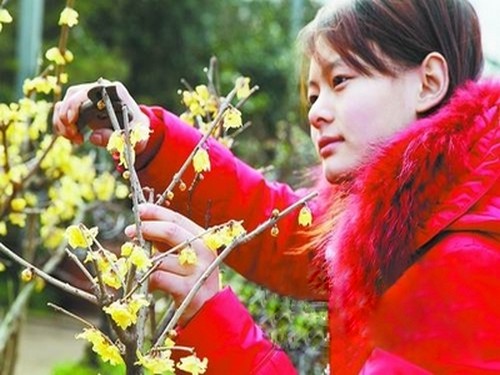
Wintersweet bonsai pruning techniques: master these few points and you are all set
Wintersweet (Chimonanthus praecox) is a flower that blooms in winter and symbolizes resilience and perseverance. Its flowers are small but numerous, with a fragrant scent that fills the air. Nowadays many people also grow wintersweet as potted plants at home. Wintersweet has strong branching ability, and there is a saying that "wintersweet never lacks branches."
-
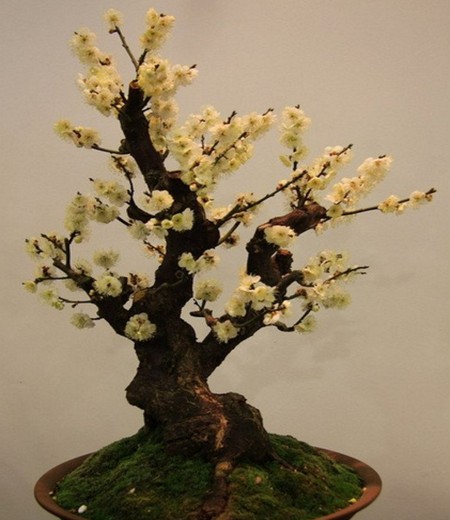
How to prune wintersweet bonsai? Detailed pruning techniques
Wintersweet (Chimonanthus praecox) has strong branching ability, hence the saying "wintersweet never lacks branches." Through timely pruning, it can sprout more strong flowering branches and bloom more profusely. Generally, pruning should be done after flowers fade but before leaves emerge, cutting out dead branches, overly dense branches, crossing branches, and diseased or pest-infested branches, and leaving 2 to 3 pairs of buds at the base of one-year-old branches.
-
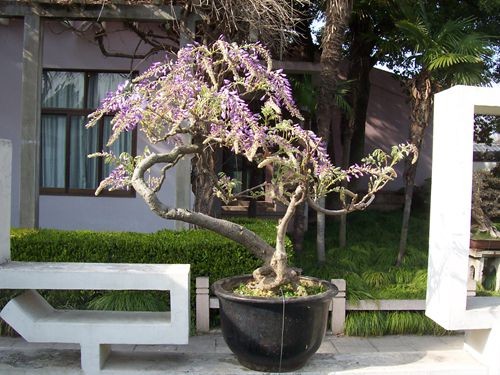
Detailed Explanation of Wisteria Bonsai Pruning Techniques and Methods
Common styles for wisteria bonsai include curved-trunk, slanting-trunk, weeping-branch, cascade, waterside, and rock-clinging forms; the style can be chosen according to the different shapes of the stump. Because its leaves are relatively large, the crown is usually trained in a natural style rather than being wired into cloud-pad shapes. The training method relies mainly on pruning
-
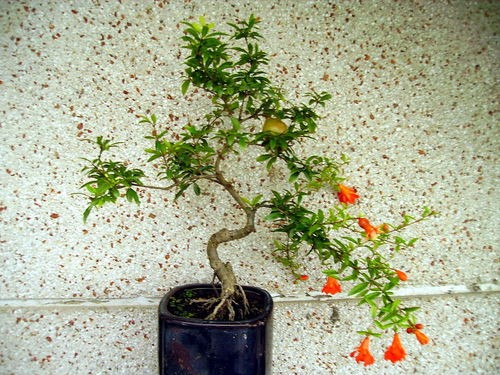
Detailed Guide to Shaping and Pruning Pomegranate Bonsai: Prune Your Way to a Beautiful Tree Form
Shaping and Pruning Because pomegranate branches are fine, dense and tangled, pruning is needed to achieve an attractive plant shape. Generally, pomegranate can be trained into a single-trunk round-headed or flat-topped form; it can also be trained into a clump-forming spreading shape; and it can also be made into bonsai pomegranate. Use thinning and heading cuts to remove dead branches, water sprouts, crossing branches, diseased and weak branches, and dense angular
-

Pear Bonsai Pruning Methods and Techniques Explained
Pear trees are suitable for making many different bonsai styles, such as the formal upright style, slanting style, curved-trunk style, double-trunk style, forest style, semi-cascade style, and trunk-on-rock style. Because the leaves are relatively large, the crown is mostly shaped naturally rather than being wired into flat pads. Because pear trees grow vigorously, with a large amount of annual growth, and the top shoots develop strongly,
-
Flower Cultivation and Pruning Techniques and the Application of Micro-sprinkler and Artificial Fog Irrigation Systems
Micro-sprinkler Systems and Artificial Fog Systems Commonly Used for Irrigating Flowers
条件筛选