-

Detailed Explanation of the Key Technical Points in Propolis Processing and Production
Propolis is hailed as "the guardian angel of human health" and has broad-spectrum antimicrobial effects, so it is also called a "broad-spectrum antimicrobial agent"; propolis can remove harmful substances from the blood, reduce blood viscosity, and effectively prevent and treat cardiovascular diseases, so it is also known as the "scavenger of the blood": propolis has a killing effect on cancer cells and is called "good news for cancer patients": it also has a clear blood sugar-lowering effect and can effectively treat diabetes and its complications, so it is also called "the nemesis of diabetes." However, the amount of propolis produced by each colony is relatively small (about 300 grams).
-
Detailed Explanation of Fresh Peach Juice Processing and Production Technology
Raw material selection. Select fully ripe, fresh peaches free from pests, diseases and rot. Raw material pretreatment. Wash the raw material with water to remove the fuzz; after washing, rinse in a 1% hydrochloric acid solution or detergent solution to remove pesticide residues, then rinse again in water and drain. Remove the peach pits with a splitting and pitting machine. Soak the pitted raw material in a mixed solution of 0.1% vitamin C and citric acid for color protection. Heating and pulping. Heat the fruit pieces at 90-95°C for 3-5 minutes to soften them
-
Detailed explanation of the production method for almond refreshing beverage
Almond refreshing beverage production process: raw material selection and impurity removal → washing and soaking → pre-boiling → peeling → debittering and color protection → rinsing → re-boiling → grinding → pulp-residue separation → almond juice → blending → filling base material → filling CO2 water → capping → inspection → labeling → packing → finished product. Key points of process operation: Water treatment. The water used for the beverage must meet the soda water quality requirements in QB926-84. The water used in the process must be tested and qualified after electrodialysis and other treatments before use. Preparation of almond juice. Selection: fresh, plump, mold-free almonds
-
Detailed Explanation of Key Production Techniques for Grade AA Potatoes
I. Production Site Conditions 1. Environmental conditions: The atmosphere, soil and other conditions of the green food production base shall be monitored by an environmental monitoring agency designated by the provincial green food management department and meet the environmental standards for green food production sites. 2. Soil conditions: Choose light loam or slightly sandy soil with deep soil layers, loose structure and good drainage, with a pH value of 5.6-7.0. Flat land or gentle slopes are suitable, and low-lying plots must be avoided. For the previous crop, choose wheat or soybean stubble with autumn plowing, and pay special attention to avoiding plots where long-residual pesticides were used the previous year. Continuous cropping is not suitable.
-
How to manage garlic in the mid-to-late stages? 2011 production management recommendations for Midu County
At present, the garlic planted in Midu County has entered a period of rapid growth, and early-maturing varieties have entered the bolting stage. In view of the characteristics of garlic cultivation in Midu County and in light of this year's climatic conditions, we should focus on strengthening mid- and late-stage field management. Taking into account the characteristics of excessive rainfall at sowing time in September-October last year, soil compaction, and poor quality of spot sowing, and based on the county's conditions, we should apply fertilizer reasonably, carry out shallow tillage and weed control, and carry out timely pest and disease control focused mainly on leaf blight, so as to ensure a stable yield and bumper harvest of garlic this year. 1. Timely shallow tillage and weed control. As temperatures gradually rise, conditions are relatively favorable for weeds in garlic fields
-
Detailed Explanation of the Production Process for Five-Spice Smoked Fish
Five-spice smoked fish is a regional specialty product made by processing the Spanish mackerel, a coastal aquatic resource. By introducing high-temperature sterilization retort pouch production technology, the product has gained a more competitive edge in the market in terms of distribution reach, shelf life and flavor. 1. Process flow: raw material selection -- thawing -- slicing -- rinsing with water -- draining -- deep-frying -- smoking -- cooling -- packaging -- sterilization -- cooling -- packaging -- warehousing. 2. Formulation setting (based on 100kg of trimmed material) [omitted]
-
How to comprehensively utilize fish processing by-products
The fish heads, fish tails, minced meat, scales, skin, viscera, bones, gallbladders, etc. left over from fish processing contain large amounts of protein, amino acids, trace elements and vitamins. Using these protein resources, various deeply processed products can be made, including soluble edible fish protein powder, liquid fish protein feed, fish scale glue, fish skin glue, bone paste, fish protein calcium candy, bile pigment calcium salt and bile acid salt, etc. Comprehensive utilization of fish processing by-products can reduce the cost of main products and increase the added value of aquatic products; it can also protect the environment and reduce wastewater and waste emissions, achieving relatively high economic, ecological and social benefits.
-
Effective prevention and treatment methods for reproductive stress in breeding sows
1. Symptoms: (1) Abnormal bone metabolism, weak limbs and hooves, abnormal limb morphology and gait. Soft feet, hoof cracks, hemorrhage under the hoof shell, and in severe cases postpartum paralysis. (2) Sows show reproductive disorders, especially first-litter sows, with delayed estrus, anestrus or failure to come into estrus. More piglets born in the first litter, fewer in the second; or more in one litter and fewer in the next. Sows have weak disease resistance, reduced immune function, incomplete uterine involution, increased incidence of endometritis and mastitis, and are prone to various infections, with a higher culling rate. (3) Sow fertility and pig
-
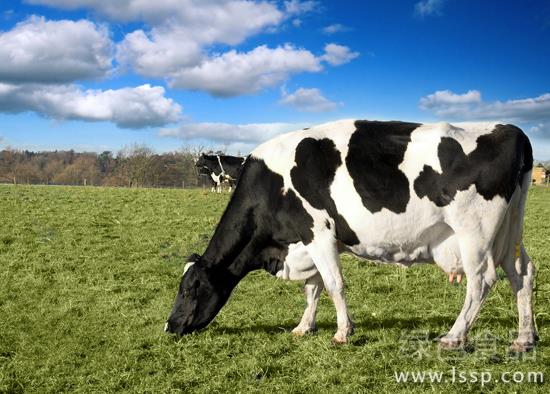
How to prevent and treat decreased milk production caused by udder edema in dairy cows?
How to prevent and treat decreased milk production caused by udder edema: udder edema in dairy cows
-
Detailed Explanation of the Processing Method and Production Steps of Licorice Mango
It is made from salted mango blanks as the raw material, through desalting, soaking in seasoning, and sun-drying or oven-drying. (1) Process flow: salted mango blanks → desalting → drying → ingredient mixing → pickling → drying → finished product → packaging. (2) Key operating points: ① Desalting and drying: Soak the salted mango blanks in clean water to desalt, with a soaking time of about 6-8h, until the salt content is about 5%, then scoop them out and drain, sun-dry or use a dryer to dry to a semi-dry state, in preparation for soaking in the seasoning. ② Ingredients: 100kg mango blanks, 3kg licorice, 10kg granulated sugar, 45g sodium saccharin,
条件筛选