-
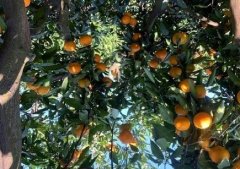
Tangerine glut leaves growers desperate, pandemic makes sales difficult in some production areas
Every year from October to December is the tangerine harvest season in the south. Due to the impact of the pandemic in the first half of the year, tangerines in some areas were severely unsalable, and worried about another outbreak of the pandemic in winter, growers had no choice but to sell at a painful loss. The reporter learned from Yang Mei (pseudonym) of Zhifu Village, Jiangxia District
-

Where are the main onion-producing areas in China?
Onions are a long-day crop, and without sufficient sunlight, onion yields will be greatly reduced. Onions have moderate requirements for water and air humidity, and the ideal soil for cultivation should be loose, fertile, neutral soil with good aeration. The growth of onions
-
Where are pomelos grown? Which region produces the best-tasting pomelos?
In autumn and winter, pomelos become a seasonal fruit. They are not only juicy and nutritious but also highly valued for their medicinal properties, which is why many people like them and buy them. Some people have eaten pomelos for many years yet still do not know where pomelos are grown. Below, let's talk about pomelos.
-
Where are China's walnut production areas? A complete overview of the main growing regions nationwide
China has a long history of walnut cultivation. Walnuts were introduced to China by Zhang Qian on his mission to the Western Regions in the 3rd century BC. The place of origin of the walnut is Iran, and today walnuts are distributed throughout every part of China. After long-term careful breeding, there are now many new walnut varieties,
-
A Detailed Guide to Walnut Cultivation History and Production Area Distribution
The Origin of the Walnut The walnut is a large deciduous tree native to the ancient Persia (present-day Iran) region in the heart of Asia. In recent years, archaeologists discovered carbonized walnuts among the artifacts unearthed at a primitive society site (Neolithic Age) in Cishan Village, Wu'an, Hebei, and also found abundant walnut and hickory pollen in the lacustrine sediments of Nyainqentanglha in Tibet, proving that China is one of the native centers of the walnut in the world.
-
What benefits can the development of the walnut industry bring?
I. Economic benefits Over the past ten years, the cost-effectiveness of walnut production in China has undergone tremendous changes. The general trend is that the cost per unit area has increased year by year, while walnut prices and economic returns have also increased significantly. The inputs in walnut production vary greatly depending on the orchard site.
-
Pruning Methods for Neglected Walnut Trees in Production Areas
In China's walnut production areas, many trees are managed extensively, harvested but not tended, rarely pruned, and left to grow naturally, becoming neglected trees. 1. Structural characteristics of neglected trees The general characteristics of such trees are numerous scaffold branches, disordered tree shape, bare inner canopy, dead small branches, poor ventilation and light penetration
-
How to make candied walnut canned food? Detailed production method shared
(1) Ingredient preparation: walnut kernels, 1% sodium hydroxide solution, 1% hydrochloric acid, 0.5% alum, 0.03% sodium metabisulfite, 0.9% disodium edetate, sugar liquid. (2) Process flow: ingredient inspection -> boiling -> shelling to obtain walnut kernels -> removing the dark skin -> rinsing -> precooking -> cooling ->
-
What is the significance of pollution-free walnut production?
Pollution-free walnuts refer to safe, high-quality, nutritious green walnut food that is free from contamination; the growing environment of the walnut trees, as well as the harvesting, processing, packaging, storage and transportation processes, are not contaminated by harmful substances. Pollution-free walnut production has strict standards, namely
-
Method for Making Walnut Infused Wine and Introduction to Walnut Wine Production
(1) Raw material preparation: walnut kernels, grape base wine, spices, alcohol, white granulated sugar, citric acid, gelatin. (2) Process flow: Production process flow of red base wine: red grapes → sorting → crushing → fermentation → separation → post-fermentation → grade-A red base wine. Spice extract liquid
条件筛选