-
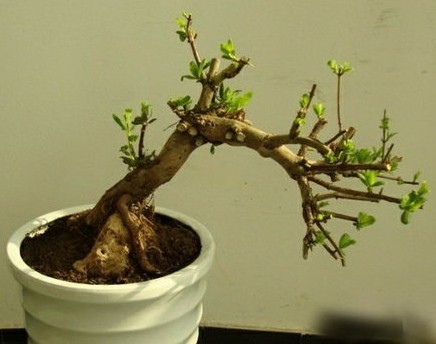
Detailed Explanation of Processing and Shaping Techniques for Honeysuckle Bonsai
Honeysuckle (Lonicera japonica) is a temperate and subtropical tree species. It likes sun but also tolerates shade, tolerates cold, tolerates drought and moisture. It is not demanding about soil and can adapt to both acidic and alkaline soils, but prefers loose, fertile, neutral sandy loam. It is vigorous, has a well-developed root system, strong sprouting ability, a light and graceful plant body, and an elegant posture, while old stumps are quaint and classic.
-
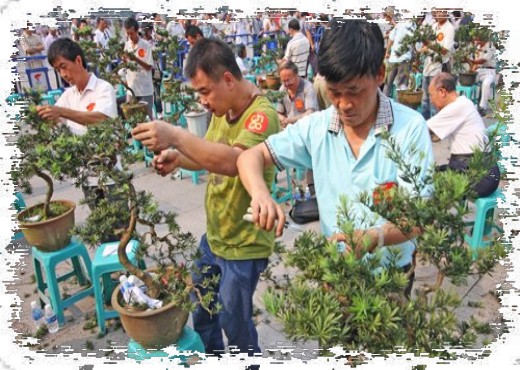
A Detailed Guide to the Processing and Shaping Methods for Bonsai Tree Stock
Seedlings grown from a young age generally begin to be processed and shaped after about 3 to 5 years; for tree stumps collected from the mountains and wilds, most can be processed and shaped after just one year of stock cultivation. Before processing, field-grown tree stock can be dug up and temporarily planted in a pot of basically suitable size, to make it easier to work with and shape. Large tree stock can also be processed and shaped on the spot.
-

Agastache rugosa Seed Planting Methods, Benefits, Effects and Side Effects Explained in Detail
How do you plant Agastache rugosa seeds? This article shares planting methods for Agastache rugosa including soil preparation and sowing, water and fertilizer management, cold protection and overwintering, and harvesting and processing, and also introduces the benefits and effects, contraindications and side effects of Agastache rugosa, to help growers and health-conscious readers plant and use it scientifically.
-
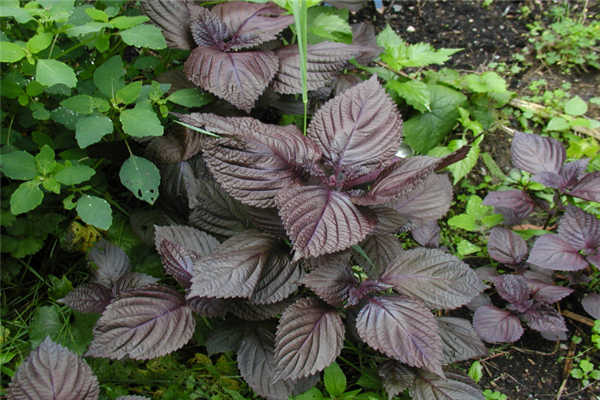
Perilla Cultivation Methods, Perilla Leaf Harvesting Time and Processing Techniques Explained in Detail
Perilla has a long history of cultivation in China. Perilla not only has certain edible value, but also has great medicinal value. So how is perilla grown? When are perilla leaves harvested? How are they processed? When are perilla leaves harvested? The harvesting period varies depending on the purpose
-
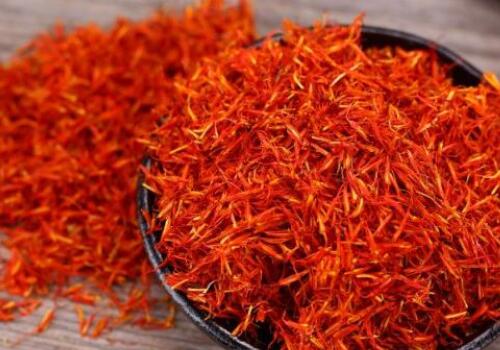
Safflower Cultivation Profit, Harvest Time, Processing Methods and Medicinal Effects Explained
Safflower, also known as red blue flower or thorny safflower, is mainly produced in Henan, Hunan, Sichuan, **, Tibet and other places. Those with long petals, bright red color and soft texture are considered the best. So how big is the profit from safflower cultivation now? What are the harvest time and processing methods? What are its medicinal effects? How big is the profit from safflower cultivation now
-

Detailed Explanation of Daylily Cultivation Techniques and Processing Methods
Daylily is a floral treasure vegetable with high nutritional value and multiple health benefits, loved by many consumers. Its edible part--the flower bud--is highly nutritious and is called "green gold" and an "all-round nutrition bank." The cultivation techniques and processing methods of daylily are detailed as follows: Daylily Cultivation Techniques
-
What are the processing methods for Renshou sesame cake?
Renshou sesame cake is one of the traditional famous specialty products of the Leshan area in Sichuan. Its characteristics: the cake texture is fine and tender, soft and melting in the mouth, sweet and fragrant with a refreshing taste, and it has a unique flavor. Ingredients formula: sesame powder 7.5 kg, stirred sugar 34.25 kg, cake powder 3.25 kg, cooked flour 5 kg, bean powder 0.25 kg. Production method: 1. Making sesame powder: choose plump sesame seeds, wash them with clean water, remove impurities and sand, take them out and drain the water, then put them in the wok and roast. Roast over low heat until they turn grain-yellow, then take them out, spread them out to cool
-
Detailed Explanation of the Processing Technology for Millet and Black Sesame Crispy Slices
(1) Formula: 900 g millet flour, 100 g black sesame, shortening, and seasonings (salt, white sugar, spicy powder, etc.) in appropriate amounts, plus "Texiangsu". (2) Process flow: raw and auxiliary material processing -> measured proportions -> mixing -> dough preparation -> crisping treatment -> sheet pressing -> slicing -> seasoning -> baking -> cooling -> packaging. (3) Key operating points: 1. Raw and auxiliary material processing: select clean, hulled fresh millet, wash it thoroughly with water, then soak for 2-3 hours, air-dry, grind into flour, and pass through an 80-100 mesh
-
Detailed Explanation of the Processing Technology and Production Method of Chestnut Fruit Tea
(I) Overview The chestnut is a famous and high-quality dried fruit in China, rich in nutrients. The chestnut kernel has a high content of amylopectin, with a fine, powdery texture. Eaten raw or cooked, it is sweet, glutinous, fragrant and crisp, with an excellent flavor, and is deeply loved by people. The chestnut also has considerable medicinal and health-promoting effects. According to the ancient text "Dian Nan Ben Cao" (Materia Medica of Yunnan), the chestnut is sweet and warm in nature and flavor, and has the effects of benefiting qi, strengthening the stomach and intestines, tonifying the kidney, strengthening the tendons, and invigorating blood circulation. (II) Raw Materials and Formula Chestnut: 15%; carrot: 3%; granulated sugar: 4%; milk powder: 2.5%; ethyl maltol:
-
Detailed Explanation of the Processing Method and Production Steps of Persimmon Leaf Tea
Persimmon leaf tea is a new product of scientific research. It is not only very popular among domestic consumers, but is also exported to Japan. This is mainly because the leaves of persimmon trees and soft jujube trees have high nutritional value. Every 100 grams of fresh leaves contains about 100 mg of vitamin C, and if dried leaves, it is as high as 3500 mg; in addition, they also contain large amounts of rutin, carotene, choline, flavonoid glycosides, amino acids, etc., which can refresh the mind and improve eyesight, reduce inflammation and relieve fever, cool the blood, stop bleeding and lower blood pressure, and can also increase coronary blood flow in the heart, and have a certain effect on preventing and treating cancers of the digestive system. The production method of persimmon leaf tea is as follows:
条件筛选