Safflower Cultivation Profit, Harvest Time, Processing Methods and Medicinal Effects Explained
Safflower, also known as red blue flower or thorny safflower, is mainly produced in Henan, Hunan, Sichuan, **, Tibet and other places. Those with long petals, bright red color and soft texture are considered the best. So how big is the profit from safflower cultivation now? What are the harvest time and processing methods? What are its medicinal effects?
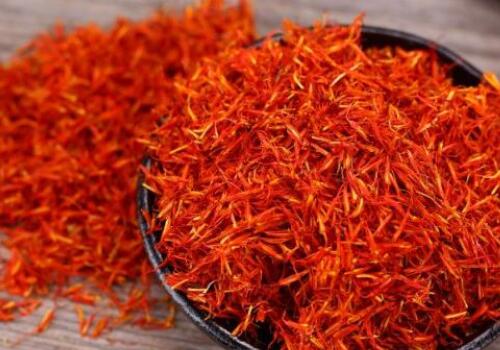
How big is the profit from safflower cultivation now?
1. Safflower cultivation is mainly concentrated in ** Tacheng, Jimsar and Ili; the per-unit yield of ** safflower is low, generally 12-15 kg per mu, and in low-yield cases only 8-10 kg per mu. ** has abundant land resources, and besides cotton, it grows sunflowers. In recent years, cotton prices have been low, and the sunflower planting area is also large. Safflower cultivation is mainly for harvesting safflower seeds. Safflower seed yield is 100-120 kg per mu, and the seed selling price is 5 yuan per kg. The cost of contracted land in ** is low, and an income of 500-600 yuan per mu is already good. One mu of safflower can bring in 500-600 yuan (excluding manual picking costs), and adding the seed income, it is about 1000 yuan. For ** medicinal herb farmers, they are still unwilling to give up safflower cultivation. The normal annual output in ** production areas is around 5000 tons.
2. Safflower is a commonly used bulk variety in the national Chinese medicinal materials market. Since China joined the World Trade Organization, it has been exported in large quantities to earn foreign exchange, and safflower oil and safflower seed oil are greatly loved by people around the world. In recent years, the planting area has been small, the contradiction between supply and demand is prominent, while demand has only increased. In recent years, safflower has always maintained a high price, with firm prices and smooth movement in the national medicinal materials market. The safflower market is good, and now is the right time to plant!
What are the harvest time and processing methods of safflower?
1. Safflower harvest time
Autumn-sown safflower can be harvested in April to May of the following year. When safflower reaches full bloom, it can be harvested in batches. The harvest standard is when the top of the corolla turns from yellow to red. It is better to pick flowers in the morning when the dew has not dried and the sharp spines of the bracts of thorny varieties have become soft. Promoting the cultivation of thornless safflower varieties makes the harvest time flexible and unrestricted, does not hurt the hands, and gives high flower-picking efficiency.
2. Safflower processing methods
The picked corollas should be covered with a layer of white paper and dried in the sun, or dried in a cool, ventilated place. They must not be directly exposed to strong sunlight, nor piled up, to avoid mildew and blackening; they can be dried in a drying room at 40-60°C.
The drying rate of safflower is 20%-30%. Generally, the yield of dried flowers is 10-20 kg per mu, and high-yield fields can reach 25-30 kg. Finished product: dry, red-yellow and bright in color, and soft in texture are qualities of fine safflower.
What medicinal effects does safflower have?
1. Safflower can invigorate blood and promote menstruation, remove blood stasis and relieve pain. It can be used as a blood-invigorating and menstruation-promoting medicine. It invigorates blood and moves stasis, regulates qi and relieves pain. It nourishes blood and invigorates blood.
2. Warm in nature, pungent in flavor, it invigorates blood and promotes menstruation, disperses stasis and relieves pain. It is used for amenorrhea, dysmenorrhea, and traumatic injuries.
3. Add a small handful of safflower. Wrap it in gauze, boil it, and use it for foot soaking twice a day. It is suitable for various varicose veins, poor blood circulation, numbness or bruising of the legs and feet, etc.
4. It invigorates blood and moves qi, removes stasis and unblocks collaterals, and relieves pain. It mainly treats shoulder pain, arm pain, waist pain, leg pain, or generalized body pain caused by qi and blood blocking the meridians and collaterals, which persists for a long time without healing.