-

Detailed Explanation of Mulberry Leaf Tea Production Techniques and Processing Steps
According to experts at the Japanese Institute of Health, mulberry leaves contain 17 amino acids, as well as fats, vitamin C, B1, B2, folic acid, carotene, calcium, phosphorus, iron, manganese, sodium, and more. These nutrients are at their highest levels in mulberry leaves after the first frost. Mulberry leaf tea is a natural health product for maintaining health and strengthening the body, and is especially suitable for long-term drinking by patients with diabetes and high blood pressure. Its production process is as follows: Leaf picking and handling. It is best to pick leaves from the middle and upper parts of late-autumn mulberry trees that are free of pollution, pests, and diseases. In the Qian'an area of Hebei, mid-September is
-
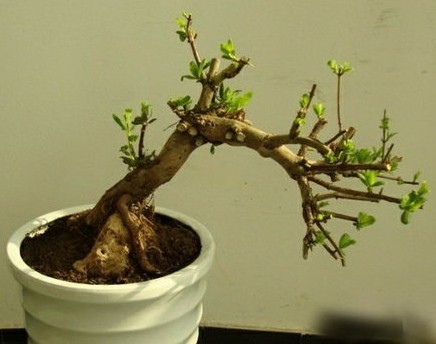
Detailed Explanation of Processing and Shaping Techniques for Honeysuckle Bonsai
Honeysuckle (Lonicera japonica) is a temperate and subtropical tree species. It likes sun but also tolerates shade, tolerates cold, tolerates drought and moisture. It is not demanding about soil and can adapt to both acidic and alkaline soils, but prefers loose, fertile, neutral sandy loam. It is vigorous, has a well-developed root system, strong sprouting ability, a light and graceful plant body, and an elegant posture, while old stumps are quaint and classic.
-
Detailed Explanation of the Processing Technology and Production Method of Chestnut Fruit Tea
(I) Overview The chestnut is a famous and high-quality dried fruit in China, rich in nutrients. The chestnut kernel has a high content of amylopectin, with a fine, powdery texture. Eaten raw or cooked, it is sweet, glutinous, fragrant and crisp, with an excellent flavor, and is deeply loved by people. The chestnut also has considerable medicinal and health-promoting effects. According to the ancient text "Dian Nan Ben Cao" (Materia Medica of Yunnan), the chestnut is sweet and warm in nature and flavor, and has the effects of benefiting qi, strengthening the stomach and intestines, tonifying the kidney, strengthening the tendons, and invigorating blood circulation. (II) Raw Materials and Formula Chestnut: 15%; carrot: 3%; granulated sugar: 4%; milk powder: 2.5%; ethyl maltol:
-
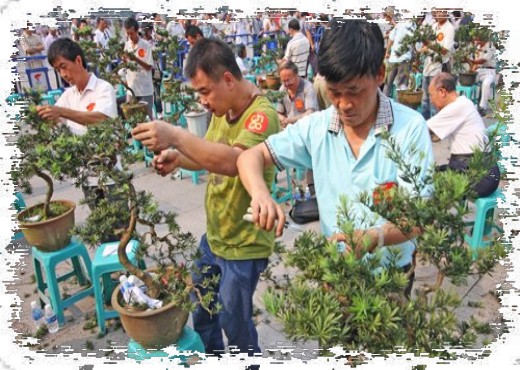
A Detailed Guide to the Processing and Shaping Methods for Bonsai Tree Stock
Seedlings grown from a young age generally begin to be processed and shaped after about 3 to 5 years; for tree stumps collected from the mountains and wilds, most can be processed and shaped after just one year of stock cultivation. Before processing, field-grown tree stock can be dug up and temporarily planted in a pot of basically suitable size, to make it easier to work with and shape. Large tree stock can also be processed and shaped on the spot.
-
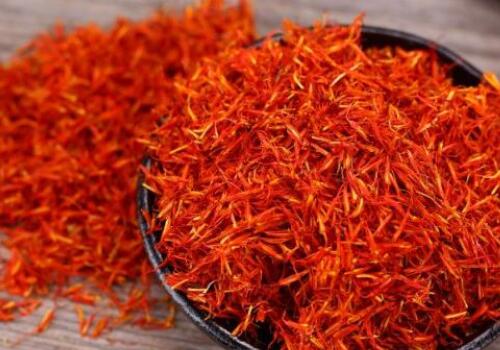
Safflower Cultivation Profit, Harvest Time, Processing Methods and Medicinal Effects Explained
Safflower, also known as red blue flower or thorny safflower, is mainly produced in Henan, Hunan, Sichuan, **, Tibet and other places. Those with long petals, bright red color and soft texture are considered the best. So how big is the profit from safflower cultivation now? What are the harvest time and processing methods? What are its medicinal effects? How big is the profit from safflower cultivation now
-
Detailed Explanation of the Processing Technology for Millet and Black Sesame Crispy Slices
(1) Formula: 900 g millet flour, 100 g black sesame, shortening, and seasonings (salt, white sugar, spicy powder, etc.) in appropriate amounts, plus "Texiangsu". (2) Process flow: raw and auxiliary material processing -> measured proportions -> mixing -> dough preparation -> crisping treatment -> sheet pressing -> slicing -> seasoning -> baking -> cooling -> packaging. (3) Key operating points: 1. Raw and auxiliary material processing: select clean, hulled fresh millet, wash it thoroughly with water, then soak for 2-3 hours, air-dry, grind into flour, and pass through an 80-100 mesh
-
Detailed Explanation of Processing Techniques for Kuding Iced Tea and Milk Tea
Kuding tea is the dried leaf of Ligustrum japonicum, a plant in the Oleaceae family. It is a wild plant that serves as both food and medicine, containing tea pigments, tea polyphenols, various amino acids, vitamin C, etc., and has effects such as dispelling wind, improving eyesight, lowering blood pressure, and relieving excessive thirst. The processing techniques are described below. 1. Process flow. Material preparation -> extraction -> mixing -> drying -> grinding -> blending -> packaging -> quality inspection -> warehousing. 2. Processing techniques. (1) Material preparation Select high-quality Kuding tea that is free from mold and insect damage as the raw material. (2) Extraction Weigh 1200% Kuding tea
-
Detailed Explanation of the Dark Tea Manufacturing Process and Processing Methods
The manufacturing process of dark tea consists of fixation, rolling, pile fermentation, and drying. Among these, pile fermentation is a unique step in dark tea manufacturing and the key step that forms the quality of dark tea. (1) Fixation: Because the leaves picked for dark tea are coarse and old with low moisture content, they require high-temperature quick-frying with fast and even turning until they turn dark green. (2) Rolling: After the fixation leaves are removed from the wok, they should be rolled immediately while hot, which makes it easier to shape a good appearance. The rolling method is the same as that for ordinary black and green tea. (3) Pile fermentation: The rolled leaves are piled on a bamboo mat to a thickness of 15
-
Refined Processing Flow and Technical Key Points of Eyebrow Tea
Its product shape resembles an eyebrow, hence it is called eyebrow tea. Eyebrow tea is one of the bulk export teas of Zhejiang green tea. Eyebrow tea is made from long pan-fired green tea (Hangzhou pan-fired green tea, Suichang pan-fired green tea, Wenzhou pan-fired green tea) as raw material, refined and blended. Its processing technique is: blending and grading of raw materials, taking material from five routes: the body itself, round body, long body, sub-grade bits, and stem and fiber. The processing operations are divided into re-firing and rolling of crude tea, sorting and sifting, beating and sifting, shaking and sifting, strip cutting, picking and removing, fanning, supplementary firing and coloring, clearing wind and cutting off dust; the semi-finished product is piled and stored in the warehouse, then blended according to the sample, evenly piled and packed into boxes to become export eyebrow tea. Its product specifications are based on
-
Detailed Explanation of the Processing Technology and Method for Kumquat Fruit Tea
(1) Raw materials and formula: Kumquat puree: 10%-15%; carrot puree: 5%-10%; white granulated sugar: 8%-10%; citric acid: 0.10%-0.12%; sodium citrate: 0.05%-0.06%; β-cyclodextrin: 0.05%-0.08%; carboxymethyl cellulose: 0.03%-0.05%; pectin (high-fat): 0.10%-0.12%; potassium sorbate:
条件筛选