-
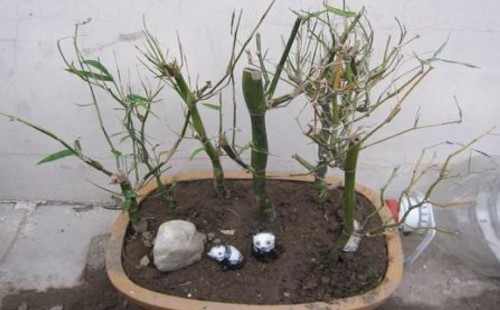
What to Do When the Leaves and Branches of a Potted Buddha Belly Bamboo Turn Yellow and Withered? A Full Guide to Prevention and Treatment
In the previous article, we introduced how improper care and management can easily cause the leaves and branches of potted Buddha Belly Bamboo (Bambusa ventricosa) to turn yellow and withered. To prevent this yellowing and withering of the leaves and branches, today we'd like to share the relevant prevention and treatment measures. So, how do you prevent and treat yellowing and withered leaves and branches in potted Buddha Belly Bamboo?
-
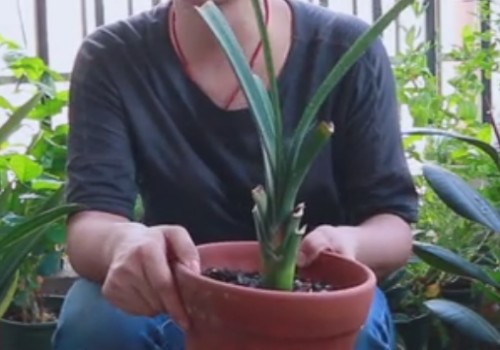
What to Do When a Clivia Is Infected with Anthracnose? Detailed Prevention and Treatment Methods
In most people's impression, potted Clivia at home is rather difficult to grow, especially when improper care and management lead to the plant becoming infected with disease. Common diseases may be relatively easy to deal with, but if a potted Clivia is infected with anthracnose, it needs to be taken seriously enough. So
-
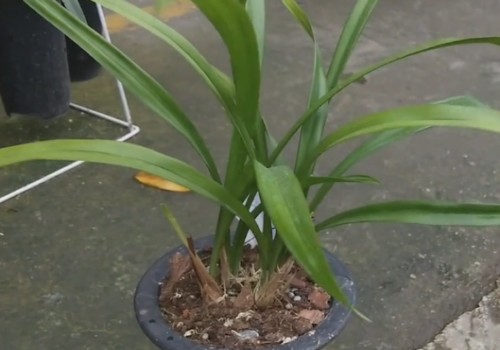
What to Do When an Orchid Gets Sick? Common Disease Prevention and Treatment Methods
Orchids have always been deeply loved by gardeners, but during the growing process, plants infected with soft rot and stem rot are also the most headache-inducing problems. Today, the editor will offer some tips to help everyone solve these two most troublesome problems and help you protect your beloved potted orchids.
-
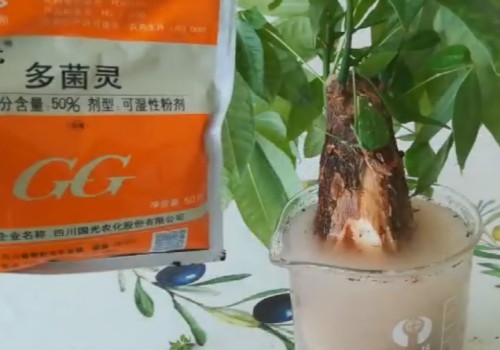
What to Do When a Money Tree Gets Sick? Detailed Guide to Prevention and Treatment
The money tree (Pachira aquatica) has high ornamental value and an auspicious meaning, but if you want to grow it well, you often need to master some care and management techniques. This is especially true once the money tree shows symptoms of illness, when you need to know how to deal with it. Many plant lovers don't know what to do when their money tree gets sick.
-
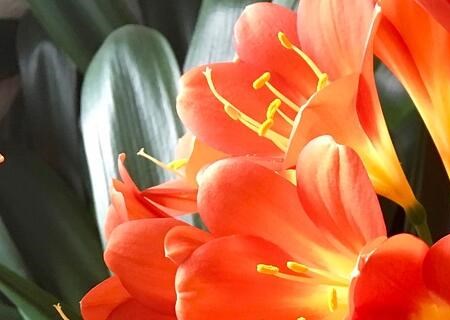
Clivia Seed Planting Methods, Leaf Spot Prevention and Treatment, and Development Prospects
Clivia, also known as sword-leaf clivia and large-leaf clivia, is an ornamental flower of the genus Clivia in the Amaryllidaceae family. Clivia has high ornamental value, and in China it is often grown in pots in greenhouses for viewing. It is propagated by division or by seed. Do you know what the methods for planting clivia seeds are? What should you do if the leaves develop spots? What are the prospects for its cultivation and development?
-

What to do when Clivia leaves turn yellow? Effective prevention and treatment tips
A reader asks: what to do when Clivia leaves turn yellow, and how to prevent Clivia leaves from turning yellow? Clivia leaves turning yellow generally occurs in several situations. If the bottom leaves turn yellow because new roots grow from the leaf axils, this is normal metabolism. In another situation, no new roots grow from the leaf axils but the leaves turn yellow
-

What to Do When a Dracaena Fragrans Gets Anthracnose? Introduction to Prevention and Treatment Methods
Some flower enthusiasts' Dracaena fragrans plants have come down with anthracnose. Here is a brief introduction to the symptoms, patterns, and prevention and treatment methods of Dracaena fragrans anthracnose: 1. Symptoms: 1. The disease causes large leaf spots, and in severe cases an entire clump of leaves dries up and rots, losing its commercial value. 2. The disease affects many kinds of Dracaena fragrans.
-

What to Do When Amaryllis Gets Leaf Blight? A Detailed Guide to Prevention and Treatment
When temperatures are high, humidity is high, and ventilation is poor, amaryllis leaves are prone to leaf blight infection. In the early stages of the disease, brown spots appear at the leaf tips and leaf margins, then expand into red lesions; in severe cases, small black granules appear on the lesions, causing the leaves to turn yellow and wither prematurely. The prevention and treatment methods are as follows: 1. Strengthen care
-

What to Do When Fresh-Cut Roses Rot? A Detailed Guide to Prevention and Treatment
Rose rot usually starts from the base of the petals and the flower stem. This rotting phenomenon has nothing to do with humidity or temperature; rather, the roses are damaged by ethylene during storage. The entire stem of the rose becomes fibrous and woody, with the flower stem being the most fragile part, and it must bear the weight of the flower head.
-
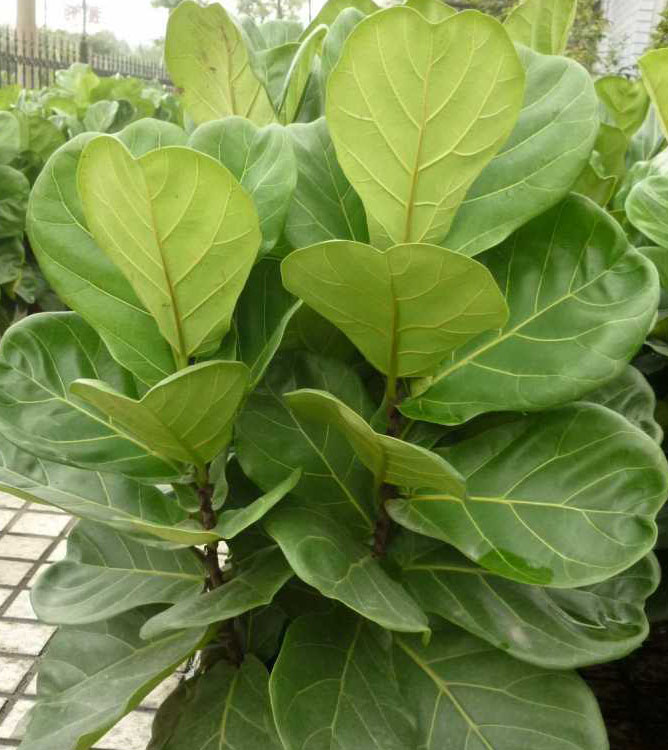
What to Do When Your Fiddle-Leaf Fig Gets Leaf Spot Disease? A Detailed Guide to Prevention and Treatment
Short-term temperature fluctuations and excessive watering during the dormant period can both cause leaf spot disease; in severe cases, the diseased leaves should be removed. Prevention and treatment methods: promptly remove diseased tissue and burn it in a centralized manner; practice crop rotation, or replace the soil indoors; avoid spraying water over the plant; begin spraying from the early stage of the disease to prevent it from spreading and worsening
条件筛选