What to Do When a Clivia Is Infected with Anthracnose? Detailed Prevention and Treatment Methods
In most people's impression, potted Clivia at home is rather difficult to grow, especially when improper care and management lead to the plant becoming infected with disease. Common diseases may be relatively easy to deal with, but if a potted Clivia is infected with anthracnose, it needs to be taken seriously enough. So, what should you do when a Clivia is infected with anthracnose? Today, the editor will share with you, with illustrations, the corresponding treatment methods.
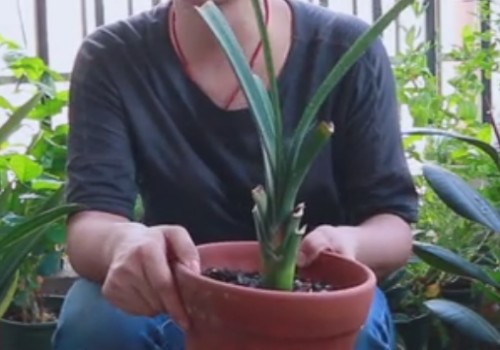
This is a Clivia bought at a flower market last year, but not long after buying it, the editor found that it had developed anthracnose. At the time, I cut off its diseased leaves and sprayed it with medicine. But before long, it relapsed, so I cut the leaves and sprayed again. Unfortunately, this situation happened repeatedly. Now, I am out of options and can only resort to drastic measures.
1. First, I use fire to sterilize a craft knife. Some flower friends vividly compare anthracnose to “plant cancer.” I think that is not an exaggeration at all. Do you have any good tricks for dealing with it?
2. Give a firm cut a little above the roots of the infected Clivia. This cut should generally be somewhat clean, thorough, and neat, leaving only a small stump above the soil layer.
3. After cutting off the aboveground part of the Clivia, apply some plant ash to the remaining wound to sterilize and disinfect, prevent pathogens from continuing to invade, and also prevent sap from seeping out.
This trick is called the decapitation method to force buds. If there is no anthracnose pathogen inside the plant, then the plant still has hope of growing new buds, and may even grow clustered buds!
For Clivia with relatively severe rotten hearts or rotten leaves, this method can usually also be used to treat and save it, avoiding the complete death of the plant.
But if the anthracnose pathogen still exists inside the plant, then even if we carry out the above operation methods, it is usually futile. In that case, we should completely give up on this Clivia and not waste time on it.
4. After decapitating the Clivia, care and management can no longer follow the previous practices. Generally, the environment needs to be kept on the dry side, and the potting soil only needs to remain slightly moist. Because if heavily watered, it often easily causes root rot, and the cut wound left after decapitation must not be soaked wet.
In addition, do not place it in a location with relatively strong light for care. Generally, placing it in a relatively cool and shaded place for management is enough. After that, what we need to do is quietly wait for it to begin sprouting and regain its growth vitality.