-

What common diseases should be prevented in roses in winter?
Black spot: the number one disease of the month in summer, and now prevention works well! The rainy season is coming, and some flower friends are happy: God is watering for me. Really too naive and too simple! What about the black spot that is called the number one disease in summer? A few spots grow gently, and the leaves become bald... Many flower friends do not like spraying chemicals.
-
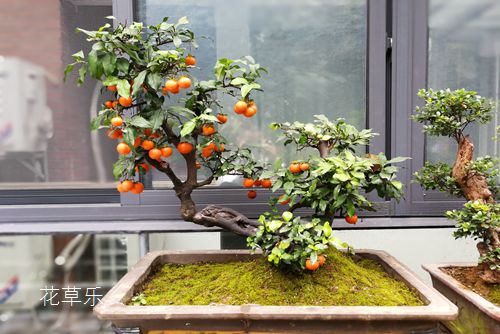
Black raised patches appear on the leaves of the Chinese persimmon (Diospyros cathayensis); suspected to be scab. How should it be prevented and treated?
The pathogen of scab is a fungus of the subphylum Deuteromycotina. On affected leaves, small water-soaked round spots appear at first, then turn waxy yellow. The lesions enlarge as the leaves grow and gradually become suberized, bulging out on one side of the leaf as conical scabs while sinking inward on the other side; leaves with many lesions become twisted and deformed.
-
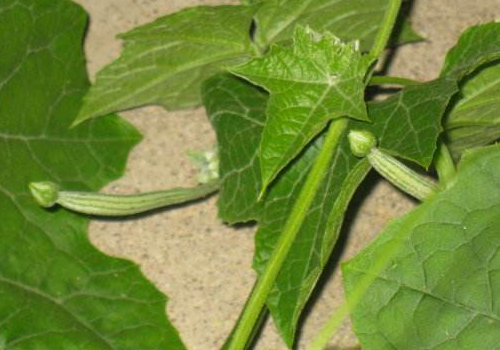
Why do loofah leaves turn yellow, and how should it be prevented and treated?
Loofah is also super delicious and tasty, really likable, very delicious, so why do loofah leaves turn yellow? What to do: Why loofah leaves turn yellow: 1. Yellowing of new leaves caused by unreasonable fertilization
-

Plastic-mulched cotton grows vigorously, so lodging and premature senescence must be prevented early
Many cotton farmers, in the process of growing plastic-mulched cotton, are prone to some technical mistakes that cause cotton plant lodging and premature senescence. The former is triggered by removing the film too late, while the latter is caused by untimely or insufficient topdressing. Therefore, the following measures should be taken promptly: remove the plastic film at the right time. Plastic-mulched cotton has a much stronger capacity to absorb fertilizer and water in the early stage than directly sown cotton. If the film is removed at the right time and field management is strengthened, plastic-mulched cotton can give full play to its advantages; if the film is removed late or not removed at all, it is not conducive to the cotton roots growing downward, causing most roots to be distributed in the upper soil layer,
-
What causes premature senescence in cotton seed production fields? How should it be prevented and controlled?
As cotton seed production fields are planted year after year, premature senescence occurs from time to time, and has become an important factor restricting the increase of per-unit yield and the improvement of quality in seed production fields. 1. Causes of premature senescence 1. Continuous successive cropping of seed cotton fields In cotton-growing areas, cotton has been planted continuously on the same land for many years, resulting in a lack of organic matter in the plow layer, which cannot satisfy the soil's sustained fertilizer supply effect. At the same time, successive cropping causes the accumulation of pathogenic bacteria in the soil and a reduction in the number of insect-resistant bacteria, blocking the normal growth of the cotton root system, thereby affecting the upper growth of cotton and causing premature senescence. 2. Cotton
-
How should the four common bean diseases be prevented and controlled?
1. Root drowning: Beans prefer moisture and tolerate drought but not waterlogging. Therefore, on the basis of ridge cultivation, small amounts of water should be applied to avoid water accumulation in the field, which prevents the roots from breathing and causes plant death. Control measures: Avoid flood irrigation. If there is heavy rain, drain the water promptly. After the weather clears, if conditions permit, appropriate shallow hoeing can be done to increase soil permeability and improve root vitality. 2. Phytophthora blight: It mainly damages the stems and vines, and sometimes the leaves and pods are also affected. It constricts at the base of the stem, causing the upper part to wilt and die. When humidity is high, white mycelium is produced on the diseased part.
-
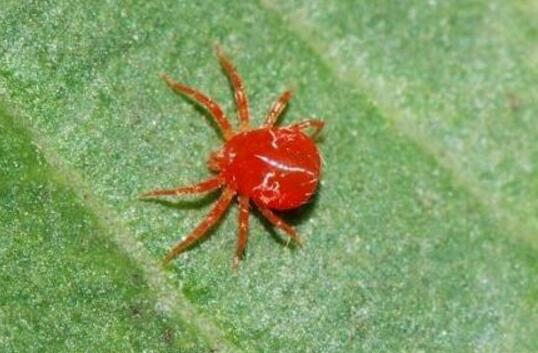
Philodendron 'Golden Diamond' pest and disease control methods: two insect pests and two diseases that should be prevented and treated early
Philodendron 'Golden Diamond' is often kept indoors as an ornamental plant, and it can also absorb toxic substances, so sometimes the environment where it is kept is relatively enclosed and lacks light, which easily leads to the appearance of some pests and diseases. These affect its beauty and health and need timely prevention and control.
-
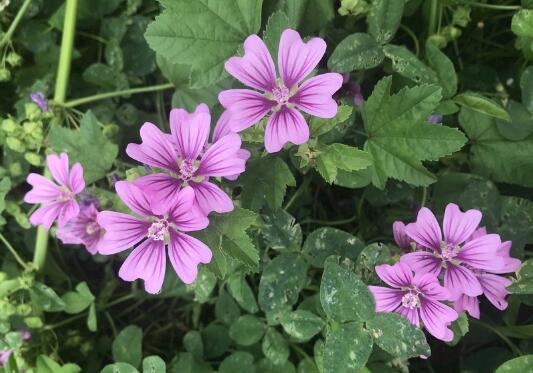
What to do when mallow flowers get bugs? 2 pests and 2 diseases prevented and treated this way
In the process of growing mallow flowers, the last thing we want to encounter is problems like pests and diseases. Such problems are extremely harmful to it, and if not dealt with in time, they can easily cause the plant to wither. So what should be done when mallow flowers get bugs? And how should pest and disease control for mallow flowers be done?
-
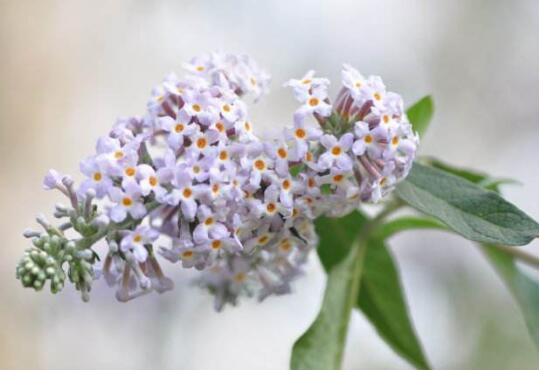
What to do when Buddleja officinalis gets bugs? 2 pests and 3 diseases prevented and controlled this way
In the process of growing Buddleja officinalis, the last thing we want to run into is pests and diseases. These problems are extremely harmful to the plant, not only affecting the beauty of its form, but if left untreated for a long time, they can also cause the plant to gradually wither and die. So what should be done when Buddleja officinalis gets bugs? How should pest and disease control for Buddleja officinalis be carried out
-
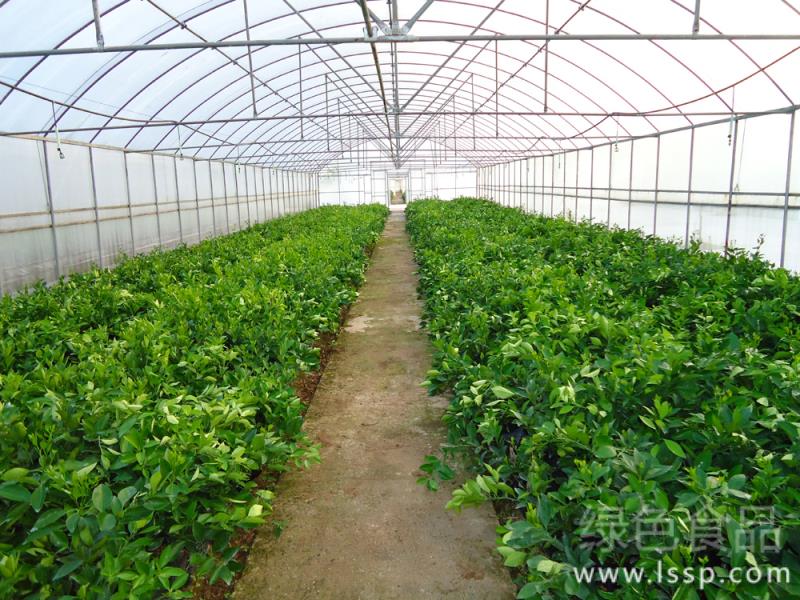
Greenhouse vegetable gas damage is serious, how should it be prevented?
The harm to vegetables is very serious; how to prevent gas damage when growing vegetables in greenhouses
条件筛选