-
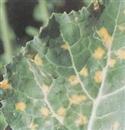
How to prevent and control rapeseed viral disease? A detailed practical guide
Viral disease is one of the main diseases of rapeseed. Affected plants reduce yield by around 20%, and in severe cases by more than 70%. It is generally more susceptible in years with little rain or in areas where vegetables are often grown nearby. Comprehensive control techniques must be adopted to prevent and control rapeseed viral disease. First, disease-resistant varieties should be selected; second, aphids should be controlled in a timely manner; third...
-
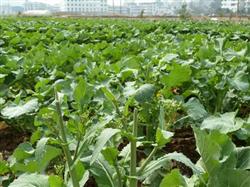
How to prevent fertilizer damage in rapeseed? Introduction to practical methods
1. Reform fertilization methods based on the principles of being practical, useful, and effective. Advocate the application of compost fermented with effective microorganisms and decomposed organic fertilizer, using layered application or full-layer deep application. According to the planned cropping sequence and total fertilization amount for the year, it can be applied all at once during deep plowing. Adopt formula fertilization technology, and properly manage the ratios of nitrogen, phosphorus, and potassium as well as trace...
-

How to prevent pests and diseases in water spinach? Practical control measures shared
1. Preparing seedlings: After the mother stems of the planted water spinach form nodes, when the branches growing from the nodes reach 20 cm in length, cut off the seedlings with fibrous roots to use as planting material. 2. Cultivation method: Prepare braided straw ropes, wooden stakes and floats (the plastic foam ball-shaped floats used for the upper rope of fishing nets will do). When planting, place the seedlings at 15-20 cm...
-
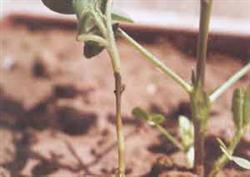
How to prevent and control peanut southern blight? Detailed practical methods
Peanut southern blight generally begins to occur in large numbers in early to mid-June. Comprehensive control measures are as follows: for lower-lying fields, dig good ditches to help drain standing water and lower the water table; sloping peanut fields should also have good ditches so that water does not accumulate after rain. Apply more calcium and potassium fertilizer. After the initial flowering stage, in combination with building up soil and hilling the beds, apply 40-5...
-
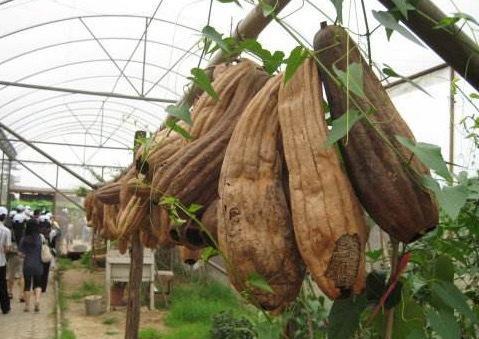
Use loofah sponge this way, and you can both grow flowers and wash dishes, very practical
There are little tricks everywhere in life, and of course, only people who live with care will discover them. I still remember when I was a child, the yard at home was planted with many vegetables and potted flowers. Back then, growing flowers needed hardly any fussing over, they were all planted in the ground...
-
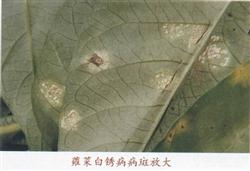
How to prevent and control downy mildew in water spinach? A detailed explanation of practical technical points
1. Practice a 2-to-3-year crop rotation with other vegetable varieties. 2. Before sowing, dress the seed for sterilization at a ratio of 300 g of 35% metalaxyl per 100 kg of seed; 3. In the early stage of the disease, spray with 50% copper metalaxyl wettable powder at 6000 to 7000 times dilution, or with 72.2% Previcur AS at 8000 times dilution, applying once every 7 to 10 days...
-

How to Plant Sugarcane to Increase Yield? A Detailed Guide to Practical Planting Methods
How to Increase Sugarcane Yield
-

Enclosing a balcony this way is safe, attractive and practical
Naodong Shouzuo listens to the sounds of the night with you! Pay attention to today's article on enclosed balcony design, everyone can take a look for reference. 1. Floor-to-ceiling glass windows. The most common way to enclose a balcony is to directly close it off with floor-to-ceiling glass windows, which not only...
-
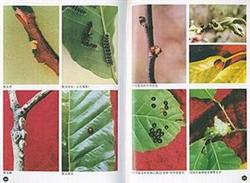
How to prevent and control chestnut pests? A detailed guide to practical control methods
1. Chestnut gall wasp The chestnut gall wasp, also called the chestnut tumor wasp, has a dark brown head and abdomen in the adult stage, filiform brown antennae, and a swollen, jet-black thorax. It lays eggs inside buds from June to July, and the larvae grow and overwinter inside the buds. In spring, when the buds sprout and produce short shoots, the affected branches or leaf stalks swell into galls (tumors), causing the branches and leaves to wither and die and weakening the tree...
-
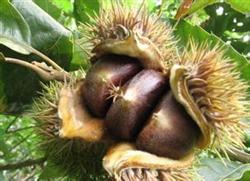
How to prevent and control empty burs in chestnut? These methods are very practical
Chestnut "empty burs" is also called "empty bur", and the empty bur rate can reach 30%-90%, affecting chestnut yield. The main causes of empty burs in chestnut are: (1) poor pollination and fertilization during the chestnut flowering period. (2) boron deficiency and available phosphorus deficiency in the soil. (3) the influence of other factors. First, variety: different varieties have different numbers of female and male inflorescences and consume different nutrients, so the empty bur rate also differs. The...
条件筛选