How to prevent pests and diseases in water spinach? Practical control measures shared
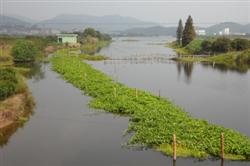
1. Preparing seedlings: After the mother stems of the planted water spinach form nodes, when the branches growing from the nodes reach 20 cm in length, cut off the seedlings with fibrous roots to use as planting material. 2. Cultivation method: Prepare braided straw ropes, wooden stakes and floats (the plastic foam ball-shaped floats used for the upper rope of fishing nets will do). When planting, place the seedlings at 15-20 cm...
 1. Select pure, high-quality seeds of excellent solid varieties, and buy good seeds from a trustworthy seed supplier.
2. Choose suitable plot for planting. Sandy loam rich in organic matter, with strong water and fertilizer retention and good drainage and irrigation conditions is preferable; the soil pH should preferably be neutral or slightly acidic; avoid planting in clay and sandy soils.
3. Adjust to a suitable temperature. Celery is a cold-tolerant vegetable and requires cool, moist environmental conditions. When cultivating celery in a greenhouse, the daytime temperature should preferably be 15-23°C, not exceeding 25°C at most; at night about 10°C, not lower than 5°C. On cloudy, rainy, snowy and windy days, the temperature should be appropriately lower, but not too low, to prevent frost damage and early bolting. Ventilate appropriately according to humidity to reduce air humidity and lessen diseases; this can be used for assimilation, reduce respiration consumption, and make the leaf stalks plump and thick.
4. Water and fertilizer management should be timely and appropriate. Apply sufficient base fertilizer, spread it evenly, apply about 5000 kg of high-quality decomposed organic fertilizer per 667 sq m, preferably adding 100-200 kg of well-fermented chicken manure, or about 15 kg of diammonium phosphate. After planting and seedling recovery, apply fertilizer to promote seedling growth. During the growing period, topdressing should mainly be quick-acting nitrogen fertilizer combined with potassium fertilizer, about 20 kg per 667 sq m each time, topdressing once every about 15 days, and fertilizer must not be lacking. Adopt the measures of frequent light watering and frequent fertilizer application. If boron deficiency is found, spray the leaves with a 0.3%-0.5% solution. During the vigorous growth period, keep the bed soil moist at all times, do not let water accumulate, keep soil moisture at 60%-80%, and pay attention to drainage and waterlogging prevention when cultivating in summer.
5. Prevent and control pests and diseases in time, keep the leaves with strong photosynthetic capacity, fully supply the nutrients needed by the parenchyma cells in the leaf stalks, and make the plants grow vigorously. In addition, timely harvesting is also an important measure to prevent hollowing.