-
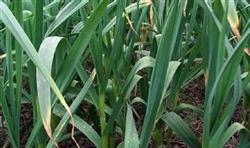
How to Control Onion Maggots in Garlic in Winter? A Full Breakdown of Practical Methods
Thoroughly remove plant residues. Onion maggots have a strong attraction to diseased and dead plant residues, especially rotting garlic plants, so at garlic harvest the garlic residues in the field, at the field edges and along roadsides should be completely removed and destroyed, to reduce the food source for the maggots and at the same time reduce the number of insects remaining in the field. Regulate water and fertilizer and the sowing schedule to disrupt...
-
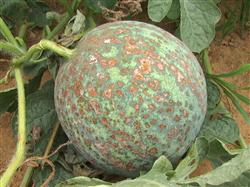
How to keep watermelon fresh for two months? Practical methods you can learn
Chemical control: start spraying at the early stage of disease onset, every 7-10 days, for 2-3 consecutive treatments. Fungicides can be chosen from 68.75% DuPont Equation 1000x solution, 25% Shibogong emulsifiable concentrate 1000-1500x solution, 80% Sande Sheng wettable powder 600-800x solution, 50% Thiophanate wettable powder 1000x solution, 40% Dako...
-
How to judge the best harvest time for apples? Practical methods for you
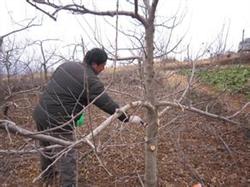
Branch bending means using "branch clips" to bend branches in different directions so that they grow in the direction desired by the grower. Branch bending is basically a winter pruning technique, and it is an effective measure for flexibly reshaping and utilizing upright branches, vigorous branches, competing branches, parallel branches, overlapping branches and densely growing branches, and is especially suitable for young apple...
-
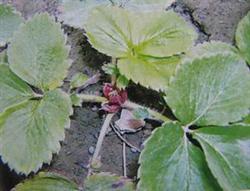
How to remedy nitrogen deficiency in greenhouse strawberries? Practical methods shared
Generally, when nitrogen deficiency begins, the leaves during the vigorous growth period gradually change from green to light green. As the nitrogen deficiency worsens, the leaves turn yellow, with localized scorching, and are slightly smaller than normal leaves. As the degree of nitrogen deficiency intensifies in young leaves, the leaves become even greener. The petioles and calyxes of old leaves appear slightly red, and the leaf color is paler or shows a jagged bright red...
-
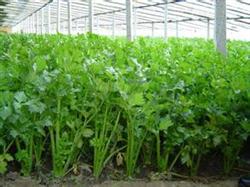
How to increase celery yield? A practical little trick
According to trials, the optimal concentration of gibberellin for promoting celery growth is 40 x 10 to the negative 6th power to 90 x 10 to the negative 6th power. Spray on the leaves 2 to 3 times during normal growth, with an interval of 2 weeks. After celery is sprayed with gibberellin solution, it promotes cell division and cell expansion. 8 hours after use, the nutrient absorption and conversion rate reaches...
-
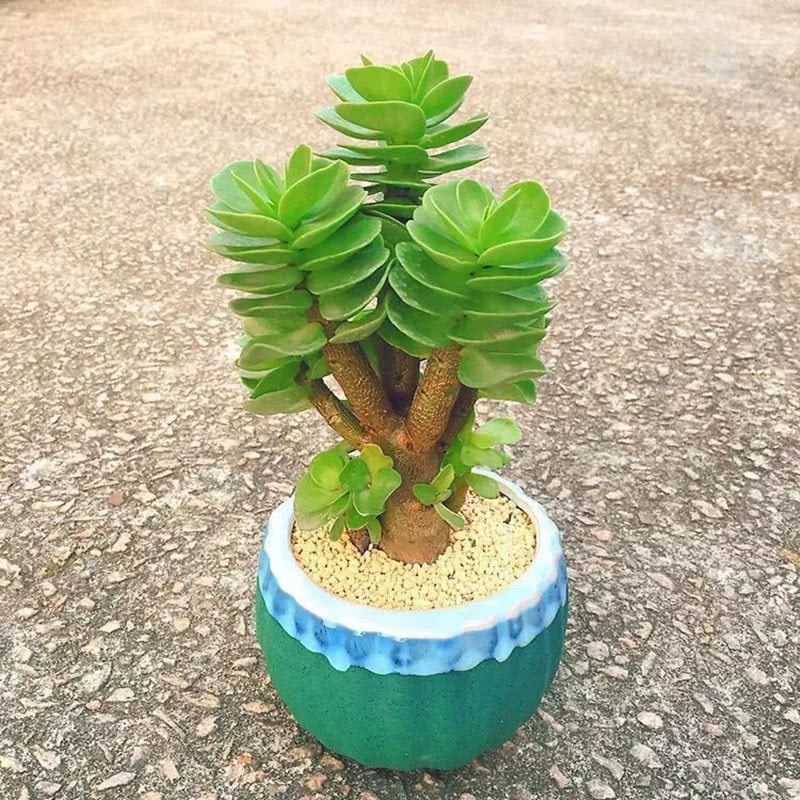
How to grow fat and plump succulents in autumn? A practical guide to share
The tough summer has passed in a flash, and the bleak autumn has arrived. It is once again a good time to grow succulents. There is no need to feel sad about succulents that died in summer, as you can buy more in autumn. There is no need to feel sad about succulents that grew leggy in summer, as they can grow back in autumn....
-
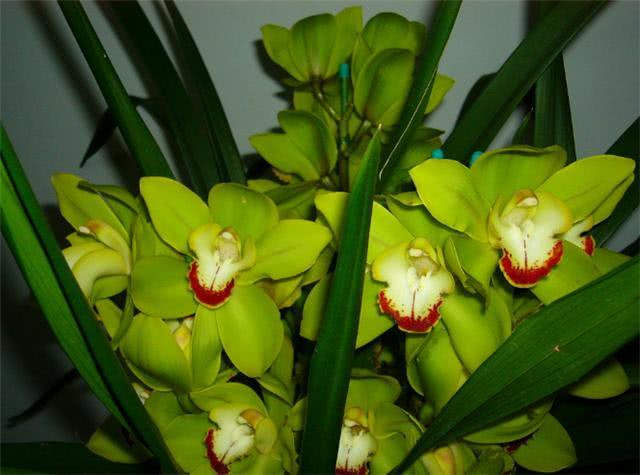
Put this under the flowerpot and the roots will grow even more vigorously. Very practical.
If you want to grow flowers well, you do not need too much fertilizer. You only need to choose the flowerpot and soil well. Generally, ceramic pots and clay pots are better choices, then appropriately choose leaf mold, and you can place tile pieces and small stones under the flowerpot. This...
-
How to identify the blue-flowered Microula? Sharing practical identification methods and tips
Flowers: usually blue, the inflorescence branches at acute angles and is very compact, with no bracts. The filaments grow from the middle of the corolla tube and are about 5-6mm long. The corolla is 5-6mm long, with rounded lobes that have very distinct netted veins. Fruit: ovate, slightly concave on the back, flowering and fruiting from May to September, about 3-4mm long.
-
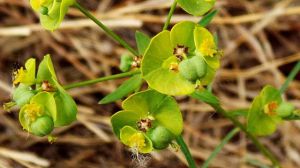
How to identify Euphorbia esula? A simple and practical identification guide
Root and stem: The root is cylindrical and can grow to more than 20cm, with a diameter of 3-6mm, and the stem can reach 30-60cm tall. Leaves: Linear to ovate, with a relatively pointed or bluntly pointed tip, no petiole, 2-7cm long. Flowers: The inflorescence is solitary, stalkless at the base, with campanulate involucral bracts.
-

How to Prevent Grapevine Excessive Vegetative Growth? A Detailed Guide to Practical Control Methods
How to Prevent Excessive Vegetative Growth in Grapevines
条件筛选