How to prevent and control peanut southern blight? Detailed practical methods
Peanut southern blight generally begins to occur in large numbers in early to mid-June. Comprehensive control measures are as follows: for lower-lying fields, dig good ditches to help drain standing water and lower the water table; sloping peanut fields should also have good ditches so that water does not accumulate after rain. Apply more calcium and potassium fertilizer. After the initial flowering stage, in combination with building up soil and hilling the beds, apply 40-5...
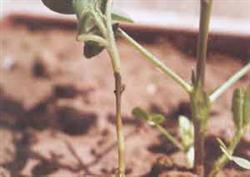
Peanut southern blight generally begins to occur in large numbers in early to mid-June. Comprehensive control measures are as follows:
For lower-lying fields, dig good ditches to help drain standing water and lower the water table; sloping peanut fields should also have good ditches so that water does not accumulate after rain.
Apply more calcium and potassium fertilizer. After the initial flowering stage, in combination with building up soil and hilling the beds, apply 40-50 kg of lime per mu, or a mixture of 15-25 kg each of lime and plant ash, which can strengthen the plants' disease resistance.
Achieve early detection and early treatment. Inspect promptly during the flowering stage, and when the disease incidence rate is around 20%, spray immediately for control. You can use validamycin 800-fold solution, or 75% chlorothalonil 500-600-fold solution spray.
Spray evenly, covering upper and lower leaves and both the front and back of the leaves. If heavy rain occurs after spraying, spray again. Spray about 75 kg of solution per mu each time, and spray once more 8-10 days after the first spraying. Never spray under the blazing midday sun.