-

-
Several practical tips for getting does to kindle more kits
Several tips for getting does to kindle more kits
-
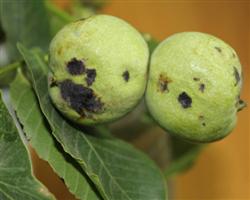
What are some practical tips for controlling walnut pests and diseases?
What are the key secrets to controlling walnut pests and diseases? Please advise. The following introduces several key tips for controlling walnut pests and diseases for reference: Variety selection is the root cause. Nowadays, walnut cultivation is being developed in many places, all rushing in like a swarm, some planting seedling trees, some planting grafted seedlings. The problems brought by rushing ahead are many. For example, it leads to mixed walnut varieties, and serious cross-infection of pathogens.
-
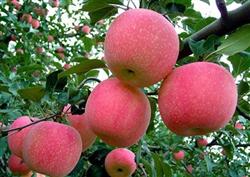
How to Improve the Color of Red Fuji Apples? A Full Breakdown of Practical Management Tips
How to improve the color of Red Fuji apples? Please explain: once the sun-facing side of the fruit has colored, promptly remove the leaves that shade the fruit and affect its coloring. For the uncolored side of the fruit or the touching surfaces of two twin fruits, they should be turned toward the sunny side at the right time. In the later stage of fruit growth, stakes and branch tying should be set up in time to prevent overlapping, squeezing, and drooping of fruiting branches that touch the ground and affect coloring.
-
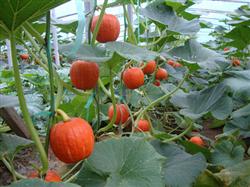
What are the ways to increase pumpkin yields? Practical tips shared
What are the ways to increase pumpkin yields? Please introduce a few useful ones. To increase pumpkin yields, besides selecting excellent varieties, sowing at the right time, and fertilizing reasonably, during the cultivation and management process, you can refer to the following methods: Pinching the top: when the vine grows to 2 m, remove the growing point of the main vine, and 3 to 4 side vines will grow....
-
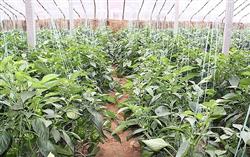
How to Fertilize Bell Peppers to Increase Yield? Practical Tips Shared
How can bell peppers be fertilized to increase yield? Please explain the fertilization methods. Bell peppers have a long growing period, an underdeveloped root system, few roots, and shallow soil penetration, and they are neither drought-tolerant nor waterlogging-tolerant. Their fertilizer requirement is greater than that of tomatoes and eggplants, and they have a strong tolerance for fertilizer. The fertilizer requirement characteristics of bell peppers are the highest potassium uptake, followed by nitrogen, and the lowest phosphorus. In vegetables, bell peppers...
-
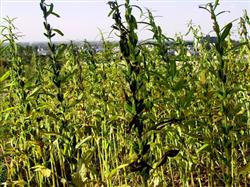
How to prevent lodging when growing sesame? Introduction to practical tips
What common diseases affect sesame? An introduction to the common diseases of sesame: 1. The main diseases of sesame 1. Sesame stem spot blight Sesame stem spot blight, commonly known as "black root disease" or "black stalk disease," is the most important disease in sesame production, generally affecting 10%-15% of plants, and up to 60%-80% in severe cases, mainly occurring when sesame is flowering...
-
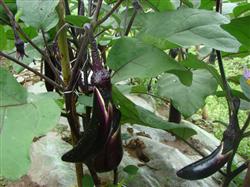
How to Apply Top Dressing to Over-Summer Eggplants? Practical Fertilization Tips Shared
How to apply top dressing to over-summer eggplants? Here is an introduction to the methods you can refer to for top dressing over-summer eggplants: 1. Proper amount. Eggplants have the highest demand for nitrogen fertilizer, but in the high-temperature season, they should be fed small amounts more frequently. Each application of urea per 667 sq m should generally be kept within 30 kg. Because in the high-temperature season, urea transforms relatively quickly after being applied to the soil...
-
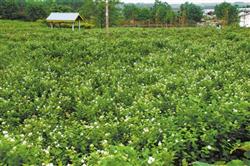
How to manage jasmine during its flowering period? Sharing practical care tips
How to manage jasmine during its flowering period? Please give an introduction and guidance. Jasmine begins to bloom successively from early summer, and with proper management, it can produce three peak bloom periods. In early June, jasmine successively produces early flowers, but these flowers are generally small and few and should be removed promptly; otherwise they consume too many nutrients, which will affect the quality and quantity of later blooms, and ...
-
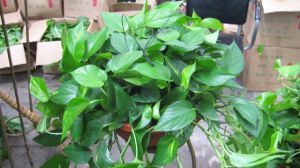
How to propagate pothos? A detailed guide to practical methods and tips
To propagate pothos, you first need to cut a sturdy vine with good growth and no obvious pests or diseases from a healthy, disease-free plant, then remove the leaves on it, keeping only two or three leaves. After that, you need to prepare sterilized potting soil or tap water that has been left to stand and exposed to sunlight for it, and finally insert the vine into the soil or water.
条件筛选