-
What are the key points of post-harvest management techniques for plum trees
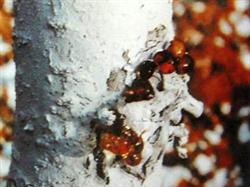
Gummosis is a common non-infectious disease of plum and other stone fruit trees, with an incidence rate as high as 76%-95%. Affected trees show yellowing leaves and weak branches, declining tree vigor, severe fruit drop, and may even die entirely. The bark at the affected area cracks and swells, exuding a soft, transparent gummy sap that oxidizes and congeals into a reddish-brown gelatinous substance. Caused by gummosis...
-

Post-90s Beauty Quits Preschool Teaching Job to Focus on Running a Woodcraft Workshop
A post-90s female college graduate in Lanzhou, who is highly attractive and studied preschool education in university, gave up a perfectly good kindergarten teaching job to open a woodcraft handmade workshop. Here, city residents start from zero experience to try their hand at woodcraft and learn about woodworking...
-
Don't Throw Away Used Plastic Buckets - Turn Them into an Aerated Compost Bin for Home Gardening
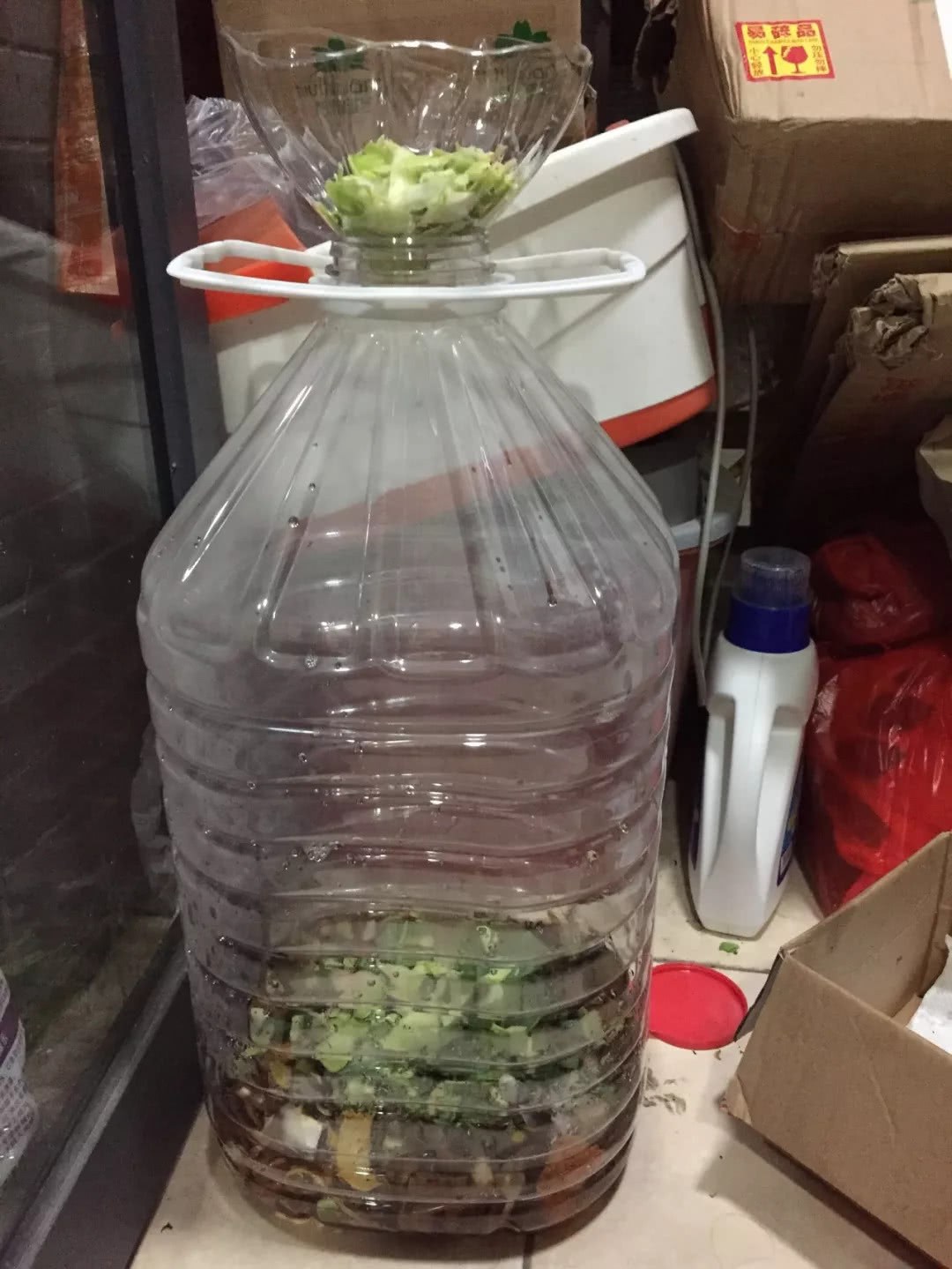
Some gardening friends may find it troublesome to move the drained kitchen scraps into the compost bin and spread them flat; or find it even more troublesome to move the half-finished compost soil into a wooden box to wait for it to fully mature; or dislike the liquid fertilizer produced by sealed compost bins, and dislike the odor it produces even more...
-
Post-harvest management of apricot trees must keep pace; these key points are essential
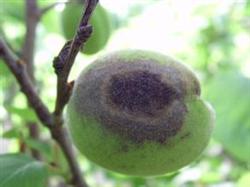
Symptoms Apricot brown rot has two symptom types. One affects nearly ripe fruit, initially forming dark brown, slightly sunken round lesions, which then rapidly expand, soften and rot, covered with yellowish-brown velvety granules, arranged in whorls or irregularly; affected fruit mostly drops early or rots, with a few hanging on the tree to form mummified fruit. The other affects fruit...
-
Asparagus sowing methods and post-sowing management key points
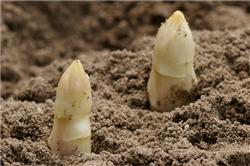
I. Sowing time: To make use of the longest growing season, sow as early as possible in spring. The sowing time should be after the frost period, when the soil temperature reaches 18-20°C. The higher the soil temperature, even up to 32°C, the faster the sprouting. Sowing too late in the growing season can result in smaller mother plants. Therefore, if sowing is done too late in the growing season, then as much as...
-
Detailed Explanation of Postharvest Commercial Handling Technology for Navel Orange Fruit
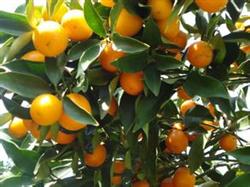
I. Growth and Development Indicators for High-Yield Navel Orange 1. Tree shape, plant height and canopy spread. For 4-5 year old trees, cultivate a natural round-headed shape; for mature trees, control the trunk height at 40 cm and tree height at about 2.5 m; the high-yield canopy spread should be maintained at about 2.80 m x 2.60 m. 2. Diameter and grading. The branch trunk diameter of Newhall should be...
-

Turn a discarded wooden crate into a compost bin in 7 minutes, turn waste into treasure and enjoy gardening
So these composting methods all run into the same thing... With the sealed composting method, when the compost soil is half-rotted, it must be taken out and put into another container to wait for about 1 month, during which it must be turned and stirred 1-2 times a week; at this point, you need a wooden crate; the leaf-pile composting method...
-
Good post-harvest management of loquat is the key to a good harvest next year
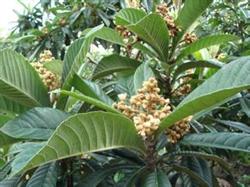
Loquat harvesting is basically finished in May, and post-harvest production management directly affects tree vigor growth and next year's fruiting. Post-harvest production management of loquat should mainly be carried out in three aspects: fertilization, pruning, and pest and disease control. Apply sufficient post-harvest fertilizer. After harvesting loquat, fertilizer should be applied in time to promote the development of summer shoots, with nitrogen fertilizer as the main type, ...
-
Detailed Explanation of Key Post-Harvest Scientific Management Techniques for Loquat
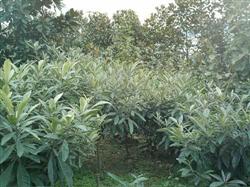
Loquat harvesting is now basically finished, and post-harvest production management directly affects tree vigor growth and next year's fruiting. Post-harvest production management of loquat should mainly be carried out in three aspects: fertilization, pruning, and pest and disease control. Apply sufficient post-harvest fertilizer. After loquat harvest, fertilizer should be applied in time to promote the development of summer shoots. The fertilizer should be mainly nitrogen fertilizer, ...
-
Detailed Explanation of Key Post-Harvest Management Techniques for Loquat
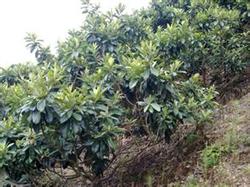
To overcome the alternate bearing phenomenon in loquat caused by poor management, post-harvest management must be strengthened to prepare for a good harvest next year. 1. Strengthen fertilizer and water management (1) In April-May after fruit harvest, apply fertilizer by the ring trench method around the perimeter beneath the tree canopy, applying 100 kg of decomposed human manure or cattle and pig pen manure per tree, ...
条件筛选