-
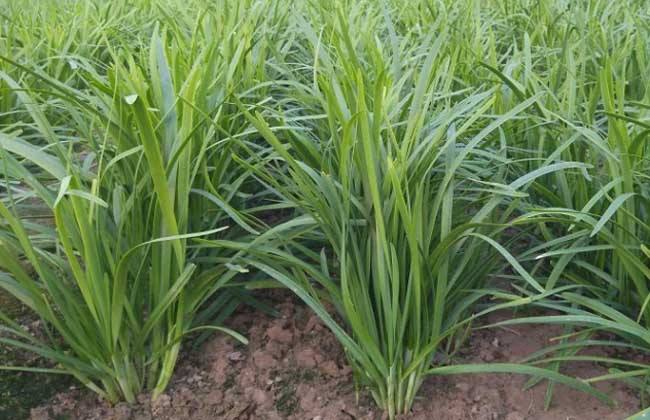
Detailed Explanation of Post-Autumn Management Methods and Technical Points for Chives
Methods for Post-Autumn Management of Chives
-

Five vegetables you must eat during postpartum confinement, with obvious benefits
Postpartum nutritional supplementation is very important. Only with sufficient nutrition can the mother's health be ensured, and the newborn's nutrient intake also be guaranteed. During the postpartum confinement period, the mother...
-

Key Technical Points for Post-Flood Care of Submerged Rice
After rice is submerged, in view of the actual situation of severe damage to the root system and leaves and a serious decline in the total number of stems and tillers, measures should be taken to nourish the roots, protect the leaves and promote tillering, so as to increase the percentage of productive panicles and strive for heavier grains. 1. Make an all-out effort to drain the standing water from the fields. The standing water in the fields should be drained as early as possible, and the fields should be exposed and the seedlings hardened to improve the soil's physical and chemical properties and remove toxic substances. For fields submerged for a relatively long time, the water can be drained completely in one go during rainy weather; in hot weather with strong sunlight, dehydration should be carried out gradually, first allowing the upper part of the rice plants to emerge above the water surface, then dehydrating at night to aerate the soil, and irrigating by day and exposing at night, so as to help the rice recover its growth. 2.
-
Potato Frost Protection and Post-Disaster Mitigation Measures After Snow and Ice Damage
(1) Functions and Uses 1. The effects of low temperatures on seed potatoes during storage and on seed potatoes and young sprouts (seedlings) after sowing. 2. Reduce the severity of snow and ice damage; promote the recovery of potato growth. (2) Technical Measures 1. Preventive measures against frost damage (1) During the storage of seed potatoes, pay attention to keeping them warm. Before low temperatures arrive, take preventive measures: place a straw mat under the seed pile and cover the top of the seed pile with straw mats or other coverings to prevent frost damage. (2) Adjust the sowing period appropriately to prevent frost damage. For
-
Detailed Explanation of Key Post-Season Management Techniques for High-Quality Wheat
After wheat turns green, sustained high temperatures and drought have caused the jointing, stem elongation, and flag leaf stages to occur 5-7 days earlier than usual. Currently, the wheat seedling condition is close to normal, but growth varies between plots. Therefore, it is recommended to strengthen the late-stage management of high-quality wheat: 1. Carry out booting and heading fertilization and irrigation management as soon as possible: this fertilization and irrigation can not only promote floret development, increase floret fertility rate and increase grain number per spike, but also promote nitrogen uptake and conversion in the later stage of wheat, making it one of the very important measures to increase wheat yield, protein content and wet gluten content (mandatory indicators for national standard strong-gluten wheat
-
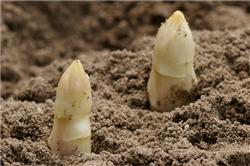
Asparagus sowing methods and post-sowing management key points
I. Sowing time: To make use of the longest growing season, sow as early as possible in spring. The sowing time should be after the frost period, when the soil temperature reaches 18-20°C. The higher the soil temperature, even up to 32°C, the faster the sprouting. Sowing too late in the growing season can result in smaller mother plants. Therefore, if sowing is done too late in the growing season, then as much as...
条件筛选