-

The Latest Pollution-Free Control Methods for Vegetable Pests and Diseases
In vegetable production, when using pesticides to control vegetable pests and diseases, caution must be exercised; a slight oversight can cause environmental pollution and even endanger the lives of humans, livestock and poultry. Eight pollution-free pest and disease control methods are introduced below for vegetable growers everywhere to choose from when carrying out control.
-
Latest Pollution-Free Control Techniques and Methods for Vegetable Aphids Tutorial
Aphids are the most common and longest-lasting pests in vegetable cultivation, and most farmers choose chemical pesticides to control aphids, which more or less causes pesticide residues. By adopting pollution-free control techniques, this can both reduce costs and lower pesticide residues
-
Main Diseases of the Shaggy Mane Mushroom and Pollution-Free Control Methods
The shaggy mane mushroom, scientific name Coprinus comatus, is a macrofungus. The mushroom is tender and fine in texture, delicious and tasty, and rich in nutrients. It has multiple medicinal functions, can be cultivated using crop straw, cottonseed hulls, sawdust and spent substrate from other edible fungi, and is easy to cultivate with high yields, so it can serve as
-
Key Technical Points for Disease Prevention and Control in Pollution-Free Black Carp Pond Aquaculture
1 Preventive measures Adhere to the principle of early prevention of disease-free fish, early treatment of diseased fish, with prevention taking priority over treatment. 1.1 Pond cleaning and disinfection; 1.2 Fry disinfection; 1.3 Feed disinfection The feed fed should be fresh, clean and hygienic. After washing snails and clams, select fresh and live ones for feeding; soak green feed in 3mg/L to 5mg/L bleaching powder solution for 20min to 30min; add or spray liver and gallbladder rehabilitation agents and vitamin C to compound feed to prevent black carp hepatobiliary syndrome. 1.4 Feeding ground disinfection
-
How to control weeds in pollution-free sweet potato cultivation?
Commonly used herbicides for sweet potato are as follows: (1) Caochangmie (Leikela) 70% wettable powder, 3000-3750 grams per hectare mixed with 450-600 liters of water, applied before planting sweet potato or immediately after planting. Mainly controls Alopecurus aequalis, crabgrass, barnyardgrass, foxtail, ryegrass, goosefoot, smartweed,
-
Integrated Control of Diseases, Pests and Weeds in Pollution-Free Sweet Potato Cultivation
(1) Carefully select seed tubers. Choose tuber pieces free of disease, insects and injuries as seed tubers. (2) Chemical treatment of seed tubers (omitted). (3) Storage cellar management. Store the seed tubers in a sterile cellar; preferably use a new cellar. If an old cellar is used, first scrape off the cellar walls, then fumigate with 15 g of sulfur per sq m. After the tubers
-
Key points of pollution-free control techniques for citrus cultivation
When chemical pesticides are used to control citrus pests and diseases, costs are high and resistance is easily developed. Guiding fruit growers to use the following simple and economical methods gives good results in controlling certain citrus pests and diseases. The specific control methods are as follows. 1. Plant ash to control citrus leafminer: during the shoot-flushing period, start when the new shoot has grown to about 3 cm, and continue until the new shoot matures, sprinkling once every 5-7 days for 5-6 consecutive times, and during the interval, replenish promptly after rain. In the early morning when the dew has not dried, or after rain, or after watering, promptly sprinkle plant ash onto the upper and lower surfaces of the leaves of the new citrus shoots. Throughout the shoot period, the leaves should remain constantly coated with the ash powder until the shoot leaves mature. This method is suitable for greenhouse or open-air citrus nurseries, young citrus orchards, and potted ornamental citrus for controlling citrus leafminer.
-
Pollution-free control techniques for diseases, pests, and weeds in jujube trees
Fully implement the plant protection policy of giving priority to prevention and comprehensive control, base efforts on improving the orchard ecological environment and strengthening cultivation management, give priority to agricultural and ecological regulation measures, pay attention to protecting and utilizing natural enemies, and give full play to the natural control role of natural enemies. Select high-efficiency
-
Detailed Explanation of Pollution-Free Prevention and Control Methods for Vegetable Pests and Diseases
Pollution-Free Methods for Preventing and Controlling Vegetable Pests and Diseases
-
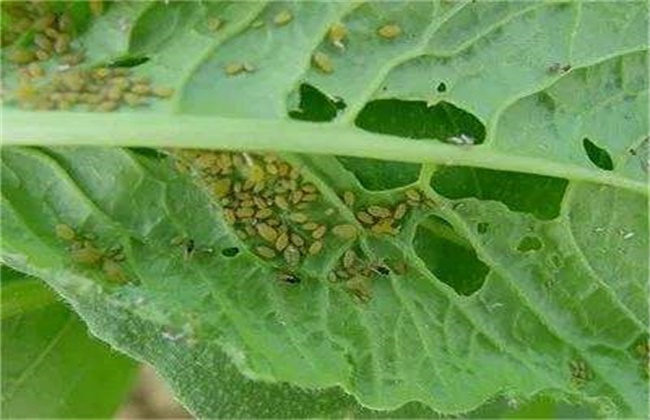
Key points of pollution-free control techniques for vegetable aphids
Pollution-free control techniques for vegetable aphids
条件筛选