-
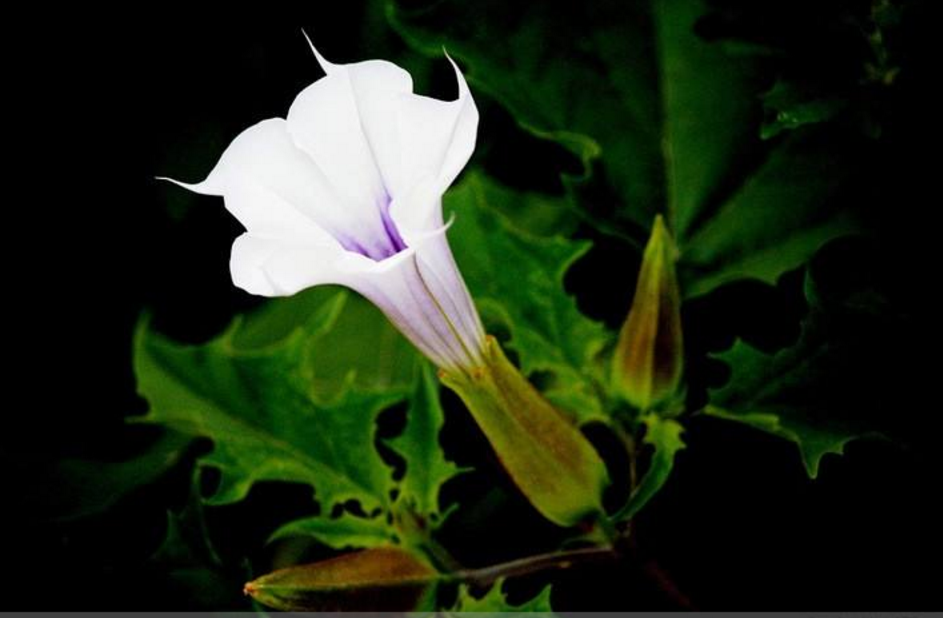
22 Common Poisonous Plants to Be Careful About When Keeping Them at Home
Plants are an indispensable part of nature and are closely tied to people's lives. However, plants have complex chemical compositions, and among them are many poisonous plants; accidental contact or ingestion may cause symptoms of poisoning, or even death. Many of these poisonous plants are very familiar to everyone
-
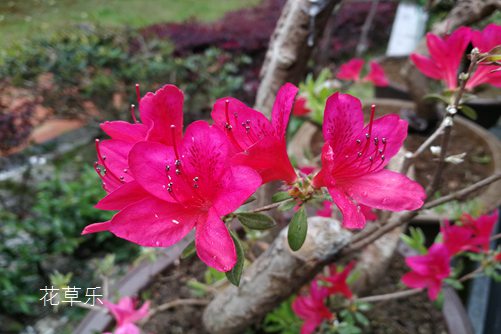
Are Azaleas Poisonous? What You Need to Know About Growing Azalea Bonsai Indoors
Azaleas bloom brilliantly and gracefully, and many flower lovers like to grow them as potted plants, bringing them home to admire and purify the air. But many friends have doubts in their hearts: are azaleas poisonous, and can they have any bad effects on our bodies? Below, the Huacaole editor unlocks the mystery of whether azaleas are poisonous.
-
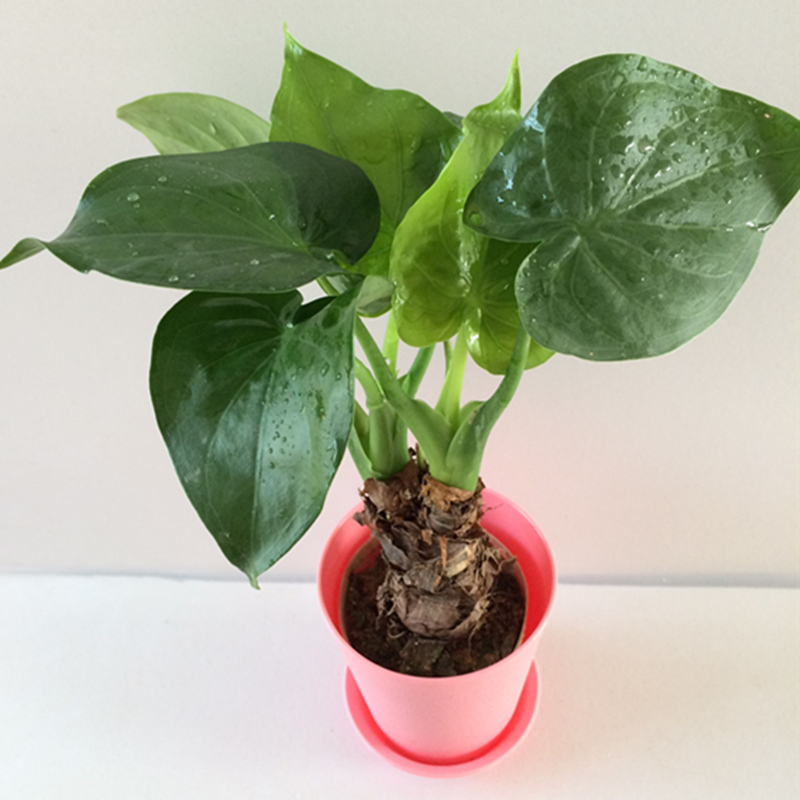
Dumb Cane is poisonous, so extra care is needed when growing and caring for it
Dumb Cane is a trade name, also known as "Dishuilian" and "Foshoulian"; other common names include Langdu (underground stem), Tianhe, Guanyinlian, Xiutiancao, Gehexian, Guanyinyu, Guangdong Langdu Henyutou, Langdu (Guangdong), wild taro, mountain taro, big-root taro, big-worm taro, Tianyu, Tianmeng, and more
-

Is the Elephant Ear (Alocasia) poisonous? Extra care is needed for home care
The scientific name of the Elephant Ear is Alocasia macrorrhizos. The white sap in its stem and the water it drips are both toxic. Accidental ingestion can cause throat discomfort and even suffocation and death. This article introduces the aliases, characteristics and safety precautions for caring for the Elephant Ear. Households with children should be cautious about keeping it.
-
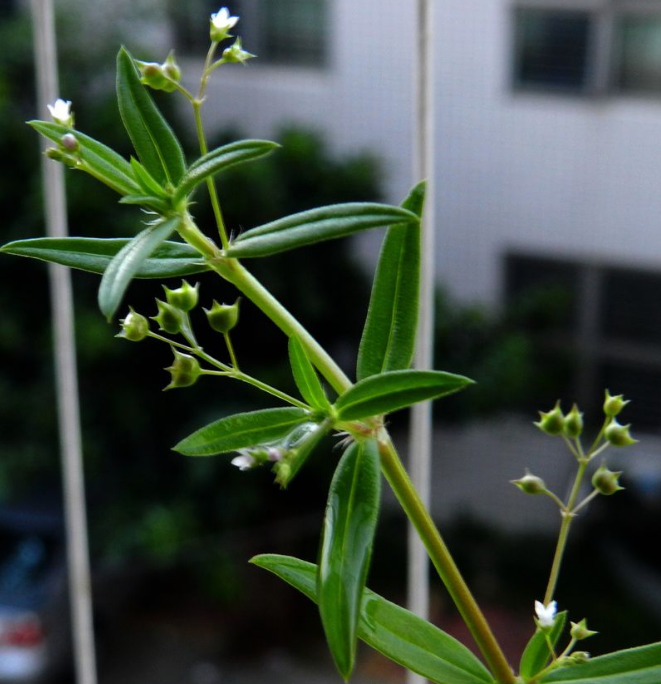
Is Hedyotis diffusa poisonous? Detailed explanation of medicinal herb cultivation techniques
Hedyotis diffusa (scientific name: Hedyotis diffusa) is an annual sprawling herb, 15-50cm tall. Roots slender, branched, white flowers. Stems slightly square or flat-cylindrical, smooth and hairless, with many branches emerging from the base. Flowering period in spring. Seeds brownish-yellow, tiny, with 3 angular edges
-
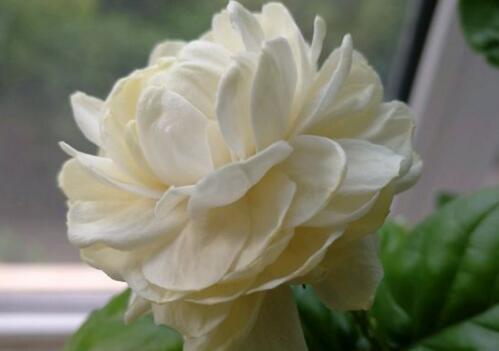
Is the Tiger Head Jasmine poisonous? When does it bloom and notes on indoor cultivation
Tiger Head Jasmine belongs to the jasmine species. It is a mutated variety, and its genes are unstable and prone to mutation. So, when does Tiger Head Jasmine usually bloom? Is it poisonous? Can it be grown indoors? What should be noted? When does Tiger Head Jasmine usually bloom? The flowering period of Tiger Head Jasmine is from May to August, and it has relatively high soil requirements.
-
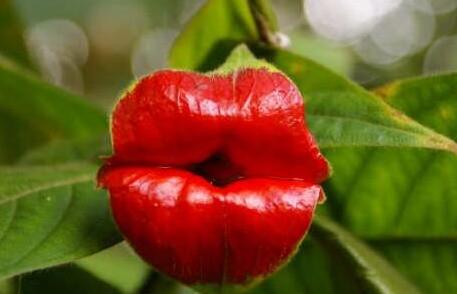
Is the Hooker's Lips flower poisonous? A detailed guide to its growing environment and cultivation methods
The Hooker's Lips flower, as its name suggests, is a flower named for its shape, which closely resembles seductive, alluring lips. This plant has a vivid red color and a peculiar shape, making people marvel at nature's uncanny workmanship. So, where does the Hooker's Lips flower grow? Is it poisonous? How is it cultivated? Where does the Hooker's Lips flower grow?
-
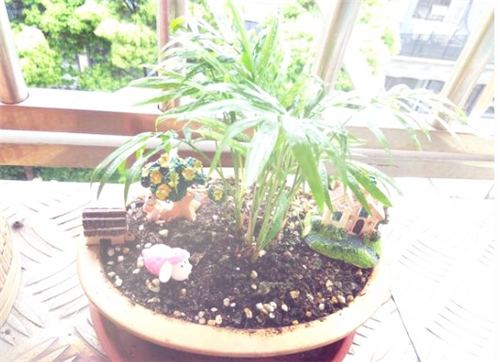
Is the Parlor Palm Poisonous? Blooming Period, Symbolism, and Care Tips to Encourage Flowering
The Parlor Palm, also known as the Belmore Sentry Palm, Dwarf Palm, Dwarf Coconut, Parlor Palm, and Miniature Palm, is an evergreen small shrub native to Mexico and Guatemala. Because its appearance closely resembles a coconut tree, it is called the Parlor Palm, and many people like to place it indoors to enhance the decorative effect.
-
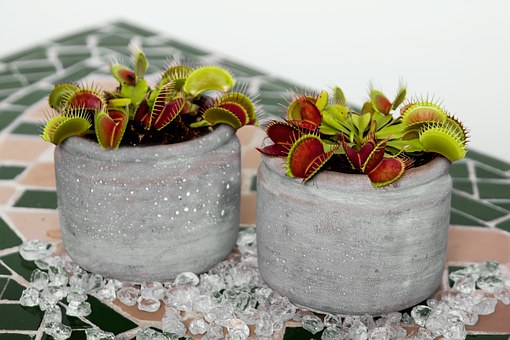
Is the carnivorous plant Venus flytrap poisonous? Plus market price, flowering period and growing methods to encourage blooming
The Venus flytrap, also known as the insect-eating plant, insect-catching plant, etc., is a very interesting perennial carnivorous plant. Because of its strange appearance and its ability to catch insects, it is deeply loved by people, and many people now like to grow it indoors.
-
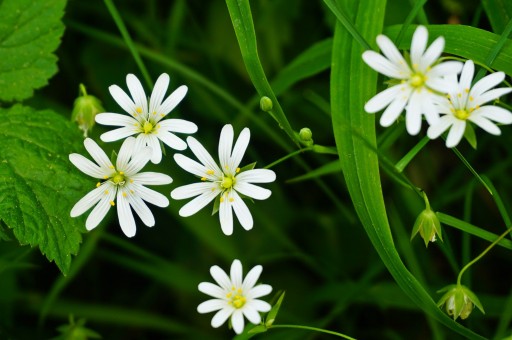
Is Pentas (Star Flower) Poisonous? Blooming Period and Indoor Care Methods
Pentas, also known as star flower, umbrella flower, star-shaped flower, etc., is a common flower in tropical regions. Because of its diverse flower colors and flowers that look like five-pointed stars, it is deeply loved by flower enthusiasts. It is currently widely used in potted plants, flower beds and various landscape areas.
条件筛选