-
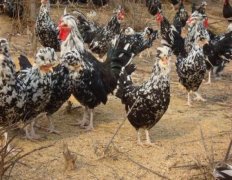
How to prevent and treat organophosphate pesticide, arsenide and zinc phosphide poisoning in chickens?
How should organophosphate, arsenide and zinc phosphide poisoning in chickens be prevented and treated? How are these three types of poisoning caused? Is it because of pesticides? Would you like to find out? The three types of poisoning mentioned above are caused by substances commonly used as pesticides and rat poison, leading to poisoning in free-range grass chickens and scavenging native chickens, which is very common in rural areas, because in spring, when chickens forage near farmland where pesticides have been used, they eat food contaminated with these pesticides.
-
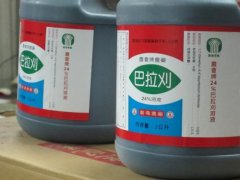
Can Paraquat Be Used on Lawns? An Analysis of the Severity of Paraquat Poisoning
Do you know about the pesticide paraquat? This pesticide is extremely harmful, and if a person accidentally ingests it, it can cause serious harm. The herbicide paraquat is cheap and effective, and can be widely used on weeds in citrus orchards, tea plantations, sugarcane fields, and more. It is also used as a defoliant before harvesting red beans, so
-
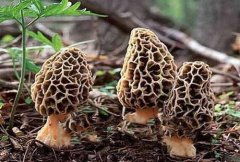
Who should not eat morel mushrooms? Raw-eating poisoning risks and main production areas
The morel mushroom gets its name because its shape closely resembles a sheep's stomach, so it is called morel. Wild morels are distributed in China's Shaanxi, Gansu, Qinghai, Tibet, Xinjiang, Sichuan, Shanxi, Jilin, Jiangsu, Hebei, Beijing, Hunan, Guizhou and other regions. Now
-

Is the porcini mushroom poisonous? Why does eating porcini cause poisoning, and how much does fresh porcini cost per jin?
Porcini mushrooms are mainly produced in Yunnan, so the price of porcini in Yunnan is somewhat cheaper than porcini from other places; the market price of Yunnan porcini is around 25 to 50 yuan per kilogram. As for the claim that porcini is poisonous, what is your view? If it really is toxic,
-

Diagnosis and Treatment of Aflatoxin Poisoning in Cattle
Aflatoxins are a class of hepatotoxic substances. After animals are poisoned, liver damage predominates, accompanied by increased vascular permeability and central nervous system damage, with clinical features including jaundice, hemorrhage, edema and neurological symptoms. Acute poisoning is mostly seen in calves, while chronic poisoning is mostly
-
Prevention and Treatment of Acute Poisoning in River Crab Culture
Acute poisoning in river crabs has two types of symptoms: 1) Toxic agents, because of their high invasion intensity, within a relatively short time pass through the gills and triangular membranes of the river crab, causing the rear edge of the crab's carapace to swell and split, producing a false "molting", or the triangular membranes to show abnormal red or black muddy conditions, or the crab's abdominal flap to open and droop, with the limbs becoming stiff and death occurring.
-
Prevention and Treatment of Common Poisoning Diseases in Meat Ducks
1. Aflatoxin Poisoning (1) Cause: Meat ducks develop this disease after eating feed containing aflatoxin. (2) Clinical symptoms: This disease is mainly characterized by damage to the liver of meat ducks. Sick ducks gradually lose appetite, grow slowly, lose feathers, become lame
-
Prevention and Treatment Methods for Ozone Poisoning in Broiler Chicken Farming
1. Dissection: Severe myocardial congestion, myocardial degeneration; the liver is dark brown, enlarged, with small pinpoint-like depressions in some areas; the lungs show severe hemorrhage, appearing dark red; the spleen shows reticular congestion; there is a black band at the junction of the proventriculus and gizzard; the duodenum is congested, and at the beginning of the ileum
-
How can beekeepers guard against camellia nectar poisoning in honeybees?
1. Causes Test analysis has determined that camellia nectar, besides containing trace amounts of caffeine and glycosides, mainly contains a relatively high proportion of polysaccharide components. Toxicity experiments show that camellia nectar is not toxic; the cause of honeybee poisoning is that honeybees cannot digest and utilise the oligo
-
What to Do After Silkworm Poisoning? Practical First Aid Measures to Remember
Since May 2006, sheep in some large mutton sheep breeding parks and among some mutton sheep farmers in our county have frequently contracted liver fluke disease (fascioliasis). The characteristic of this disease is that the adult flukes of Fasciola parasitize the liver and bile ducts of sheep, causing swelling of the lower jaw,
条件筛选