How to prevent and treat organophosphate pesticide, arsenide and zinc phosphide poisoning in chickens?
How should organophosphate, arsenide and zinc phosphide poisoning in chickens be prevented and treated? How are these three types of poisoning caused? Is it because of pesticides? Would you like to find out?
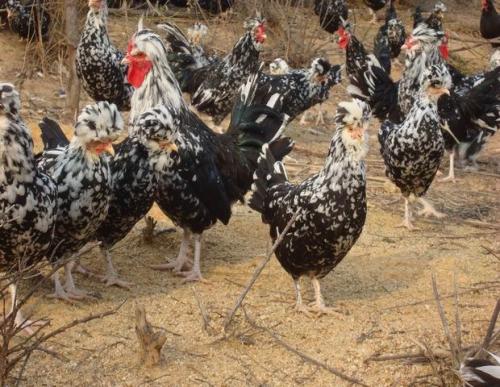
The three types of poisoning mentioned above are caused by substances commonly used as pesticides and rat poison, leading to poisoning in free-range grass chickens and scavenging native chickens, which is very common in rural areas, because in spring, when chickens forage near farmland where pesticides have been used, they eat food contaminated with these pesticides.
After organophosphate poisoning, chickens will drool, pass bloody droppings, and develop muscle weakness accompanied by tremors; in the later stage, the comb turns purple, and they die of suffocation. After arsenide poisoning, chickens have loss of coordination, with the head spasming and twisting to one side; other symptoms are similar to organophosphate poisoning, and they eventually die in a coma. When chickens suffer zinc phosphide poisoning, death is relatively sudden. However, when the digestive tract is dissected, a garlic-like odor can be smelled from its contents. Chickens not deeply poisoned walk unsteadily, with fluid flowing from the mouth that carries a garlic-like odor.
Prevention and treatment: Store drugs properly and graze chickens only in designated areas, which can completely prevent the occurrence of the above poisonings. For organophosphate poisoning, atropine can be injected subcutaneously. If detected early, feed each chicken 0.01-0.1ml of belladonna tincture orally. After confirming arsenic poisoning in chickens, inject thiol-based antidotes, but the cost is relatively high, and the drugs are not always kept on hand. For zinc phosphide poisoning, use 0.1% potassium permanganate solution or 0.5% copper sulfate solution to wash the chicken's crop, or cut open the crop to remove the contents.
Now you know why chickens suffer from these three types of poisoning. So now that you know why chickens suffer from these three types of poisoning, prevention and treatment are much easier.