-
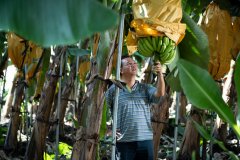
Fighting Banana Yellow Leaf Disease: Taiwan, China Pioneers Tissue-Cultured Plantlets with Tai Chiao No. 1, Banana Farmers Figure Out the Logic from the Soil
Banana's incurable disease, yellow leaf disease, has taken root in Taiwan, China for more than 50 years. Taiwan, China's leader in banana research, the Taiwan Banana Research Institute, has repeatedly set world precedents, developing tissue-cultured banana plantlets and multiple disease-resistant banana varieties and earning international fame, while professional banana farmers have developed a set of soil-improvement,
-
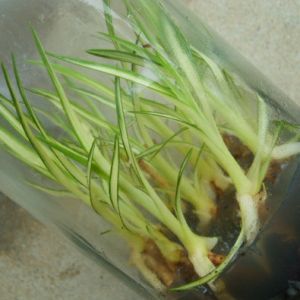
What are the reasons tissue-cultured orchid plantlets are not good
Besides being difficult to grow, tissue-cultured orchid plantlets also have a low survival rate. The low survival rate is related to the special propagation method used for tissue-cultured plantlets: the heavy use of hormones and chemical nutrients leaves the orchid plantlets in poor physical condition, frail and unable to withstand the slightest stress, and poorly adapted to the growing environment after being taken out of the flask, so they tend to sulk, neither dying nor thriving. If they are genuine tissue-cultured orchids, the flowers they produce should be the same as before, unless the wrong goods were sent. In short, tissue-cultured plantlets in the weak-plantlet stage are generally not suitable for growing at home, because these tissue-cultured plantlets themselves have low dry-matter content, poor disease resistance, a low survival rate in home cultivation, and a long cultivation cycle; many unscrupulous traders often pass off ordinary varieties as rare varieties to make money, because tissue-cultured plantlets make it hard to distinguish the characteristics of each variety (they look basically the same); if you want to introduce rare orchid tissue-cultured plantlets, it is advisable to do so at agricultural and forestry research institutes that carry out orchid tissue culture, where quality and variety are guaranteed.
-
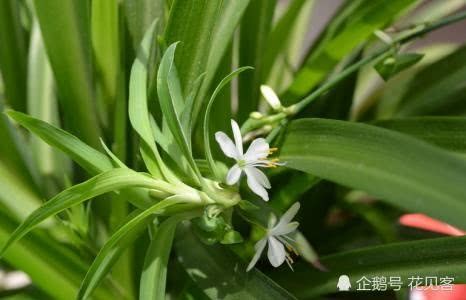
Spider Plant: Others Have Small Plantlets Draping Everywhere, But Yours Isn't Sending Out Runners Because of One Missed Step - Fix It and Yours Will Overtake Theirs
Spider plant is a green plant loved by many flower enthusiasts. It not only has great ornamental value, but also has functions such as absorbing formaldehyde and benzene, can purify the air, and is called the "air guardian." Another reason many flower enthusiasts like spider plants is that they love...
-
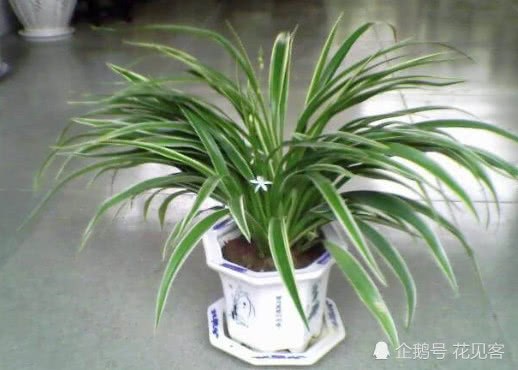
Water spider plants with these 2 little things soaked in water, and the little spider plantlets will shoot up fast
Spider plant is a very traditional trailing green plant, evergreen all year round, with slender and soft leaves. It produces "little spider plantlets" from the leaf axils, which hang down from the edge of the pot and look just like little flowers, giving it high ornamental value. Some flower growers report that the spider plants they grow...
-
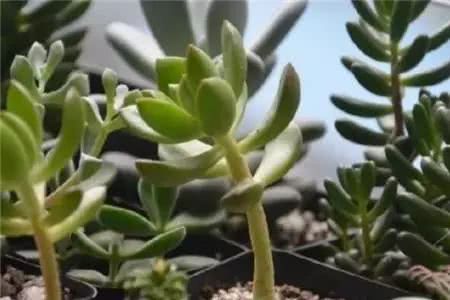
If your succulent looks ugly, chop it in half at the middle; one pot becomes many pots, and you end up with both old stems and young plantlets.
Many people love cute succulents and like to keep a few pots at home, but when caring for succulents, problems are inevitable. For example, a succulent becomes leggy and loses all its shape. So, after a succulent grows leggy, what should you...
-
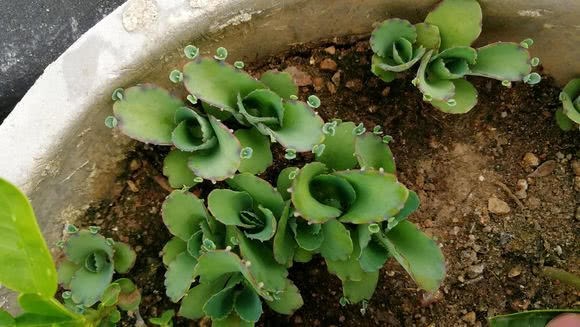
Grow a pot of mother of thousands, and its leaves will be covered with baby plantlets
Mother of thousands - just hearing the name must have caught your attention, right? How easy must this plant be to grow for it to get such a name? If the plants you grow could reach such a level, you would probably laugh yourself awake at night! Actually, it also...
-
Detailed Explanation of Key Cultivation Techniques for Banana Tissue-Cultured Plantlets
Test-tube plantlets are usually disease- and pest-free, uniform in growth, and easy to transport, which facilitates the large-scale promotion of improved varieties. At present and in the future, bananas, Fenjiao (ABB group bananas), Longyajiao, and even plantains commonly adopt this method. However, test-tube plantlets are relatively tender and weak at the seedling stage, with poor resistance, and are susceptible to mosaic heart rot disease and other pests and diseases. When planted in adverse weather, the plantlets are easily damaged or killed...
-
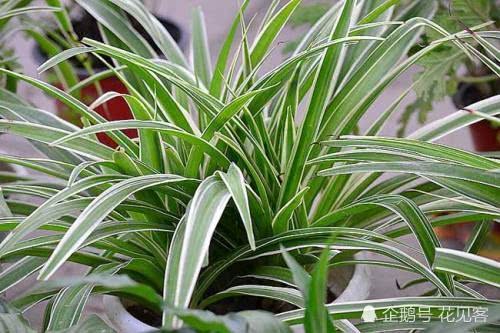
How to care for spider plants in autumn? Prepare these 2 things, and the leaves will be emerald green with small spider plantlets sprouting nonstop
Spider plants are an especially common green plant in everyday life, with leaves that stay lush green all year round, offering high ornamental value, and they also have the title of "air guardian," able to absorb harmful substances such as carbon monoxide and nicotine, purifying the air...
-
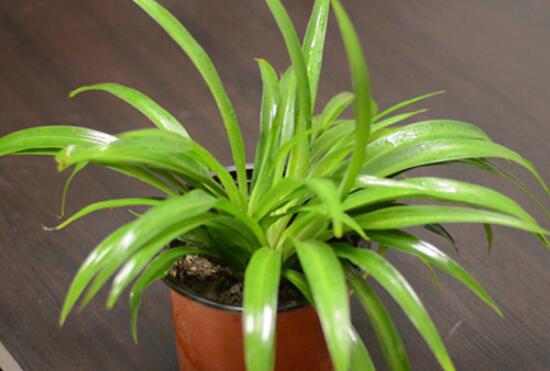
How to Make a Spider Plant (Green-Leaf Chlorophytum) Quickly Produce Plantlets? Master Water, Fertilizer, Light and Temperature Management
For those who have seen the green-leaf spider plant (Chlorophytum comosum), it should leave a deep impression: its leaves are fresh emerald green and orchid-like in shape, making it a beautiful foliage plant. However, getting the green-leaf spider plant to look good, especially to quickly produce plantlets, is not an easy task~ So how can the green-leaf spider plant quickly grow plantlets? On this
-

Detailed Explanation of Key Techniques for the Cultivation and Management of Phalaenopsis Test-Tube Plantlets
I. Acclimatization and Removal from Flask for Planting of Test-Tube Plantlets 1. Acclimatization To increase the survival rate of Phalaenopsis test-tube plantlets, the plantlets must first be strong. Before removing the plantlets from the flask, they must first undergo acclimatization. When the plantlets have three leaves, place them in diffused sunlight and expose them evenly for about 20 days, so that the test-tube plantlets grow more robustly and can adapt more quickly to external environmental conditions after being removed from the flask. 2. Removal from Flask Great care must be taken when removing the plantlets from the flask. First pour a small amount of water into the culture flask, then gently shake the flask. After the solid culture medium is loosened, use long tweezers to take out the orchid plantlets, minimizing damage to the orchid
条件筛选