-

Cactus spines prick your hand, but the story of three plastic sisters opening a shop together stings even more
A weekend get-together with my besties, and once again the "grand shop-opening plan" got heated debate at the dinner table. For a moment, emotions ran so high it almost felt like the shop was opening tomorrow. And yet, this is already the Nth time we've discussed opening a shop, and today everyone is still sitting in front of the computer typing away.
-
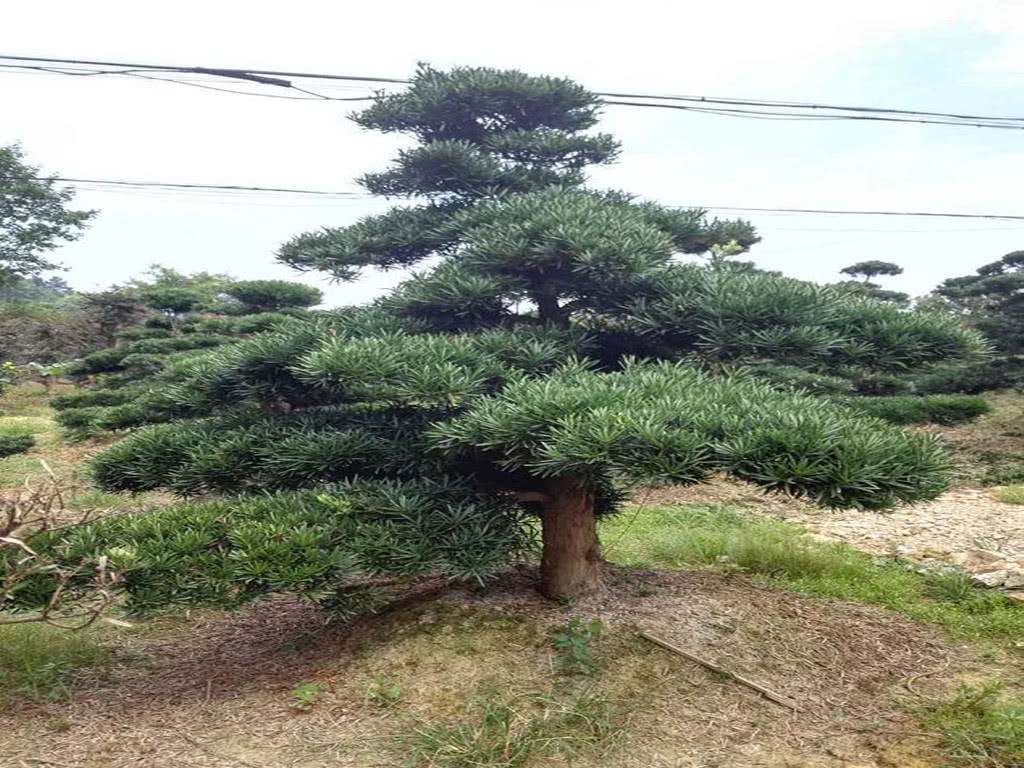
It's hard to keep a newly acquired Buddhist pine (Podocarpus macrophyllus) alive, but Grandpa says he's 90% sure
A newly acquired Buddhist pine (Podocarpus macrophyllus) is a big challenge to keep alive. Grandpa: I'm 90% sure I can keep it alive! Caring for flowers, plants and tree stumps comes down to your own interests and hobbies. For me personally, caring for flowers and plants is a wonderful thing. Because it...
-
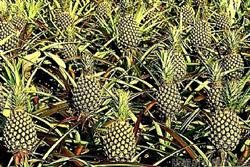
What conditions are needed to establish a pineapple orchard?
During the growth and development of pineapple, irrigate once every 15 days with a 300-fold potassium dihydrogen phosphate aqueous solution, for 8 to 10 consecutive times, applying 1.5 to 2 kg per plant each time, pouring it into the funnel-shaped crown at the top of the pineapple plant, so that the potassium dihydrogen phosphate aqueous solution flows along the leaf axils to the soil around the roots. In this way, the pineapple plants grow robustly, with large leaves...
-
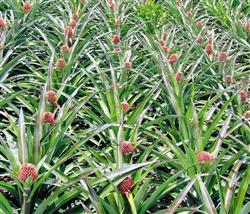
What are the key technical points of fertilization management in pineapple plantations?
Mineral nutrients in the soil are the material basis for the vegetative growth and reproductive growth of pineapple plants. Soil fertility, the amount of fertilizer applied, fertilizer quality, and fertilization techniques are among the important factors that directly affect the normal growth of pineapple plants and the achievement of high and stable yields. Pineapple is a perennial herbaceous fruit tree planted once and harvested for 2-3 crops...
-

4 Japanese tricks to boost happiness in the bedroom, personally tested and proven effective
Fox recently rearranged the bedroom layout and found that just a few touches send happiness soaring, so I've summed them up to share with everyone. Not counting the bathroom, this bedroom is 4.7m x 3.5m = 16.5 sq m. Source of happiness 1: sitting on...
-
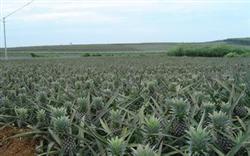
When should potassium fertilizer be applied to pineapple? Now is a good time
At present, pineapple winter fruit has entered the stage of rapid expansion, color change and ripening, and the demand for potassium fertilizer is large. If potassium fertilizer is supplied sufficiently at this time, the pineapple winter fruit can expand rapidly and ripen fully, with large fruit, regular fruit shape, plump fruit, clear and sweet flesh, plenty of juice, strong aroma, good coloring, golden peel, and good storage and transportation tolerance. Otherwise...
-
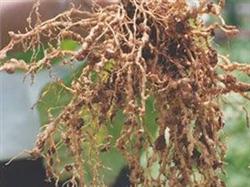
Pineapple fertilization: pay attention to supplementing nitrogen and potassium fertilizers
Because root-knot nematodes parasitize in the roots and cause the root tissue to overgrow, forming tumors of varying sizes. Control method: implement quarantine; plants carrying nematode disease must not be brought to disease-free areas. When opening a new orchard, plow and harrow the soil to expose it to the sun in clear weather; sunlight exposure can also kill root-knot nematodes.
-
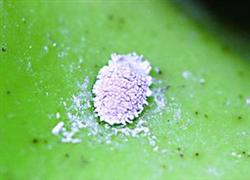
How to control pineapple mealybug? Detailed control methods
The pineapple mealybug, scientific name Dysmicoccus brevipes (Cockerell), belongs to the order Homoptera, family Pseudococcidae. Dysmicoccus brevipes is the most commonly seen species. Damage symptoms: adults and nymphs damage pineapple rhizomes, leaves, fruits and seedlings by sucking their sap. On affected leaves, symptoms first appear on the lower leaves, gradually fading upward to yellow and finally...
-
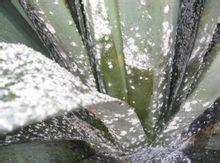
Identification and Control Methods for Pineapple Mealybugs
Pineapple mealybugs belong to the order Homoptera, family Pseudococcidae. Dysmicoccus brevipes is the most commonly seen species. The damage symptoms are caused by adults and nymphs feeding on the sap of pineapple rhizomes, leaves, fruits and seedlings. Affected leaves first show symptoms starting from the lower part, gradually fading upward to yellow and finally turning red-purple; in severe cases all leaves soften and droop...
-
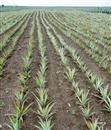
Detailed Explanation of Practical Experience in Off-Season High-Yield Cultivation Techniques for Pineapple
Pineapple planting methods include double-row, three-row and four-row. In the double-row system, the commonly used bed and furrow together are 150cm wide, with a single plant arranged in each of the two rows. Its advantages are: the bed furrow is relatively wide so the fibrous roots can spread outward, the plant and row spacing on the bed is relatively uniform, the stem bases press against each other, and the leaves spread out to form a hemispherical surface, which can fully utilize sunlight and easily form between-row...
条件筛选